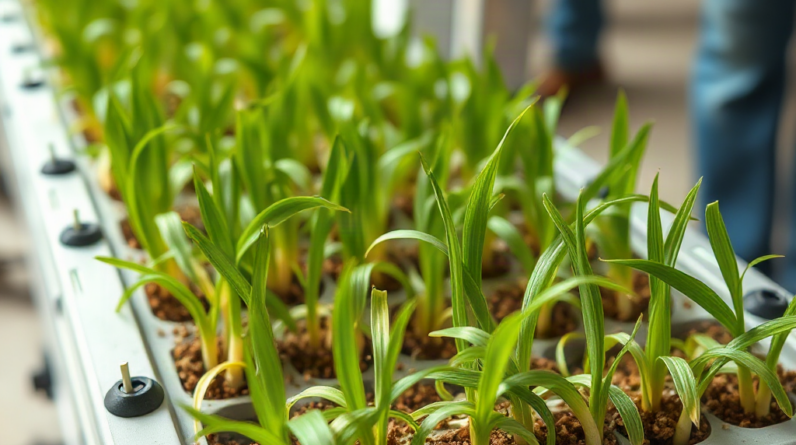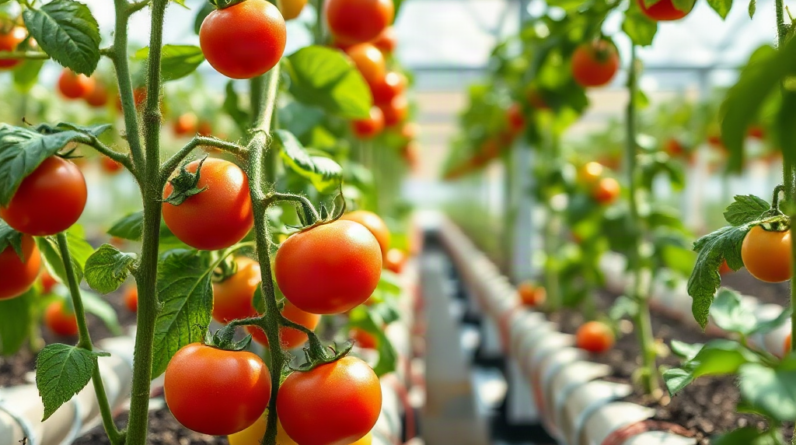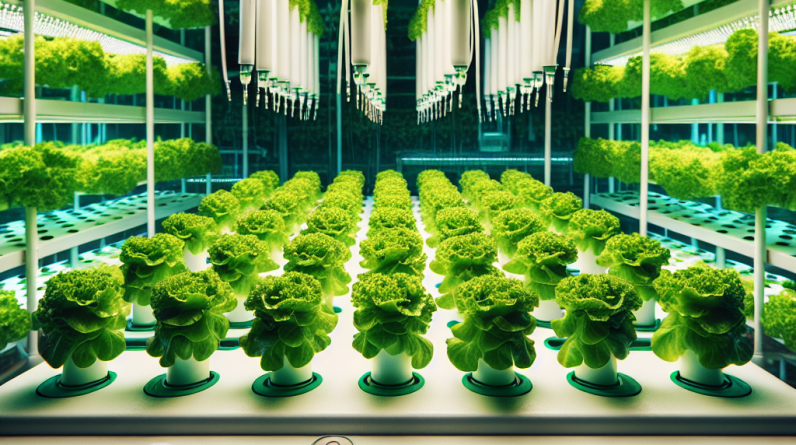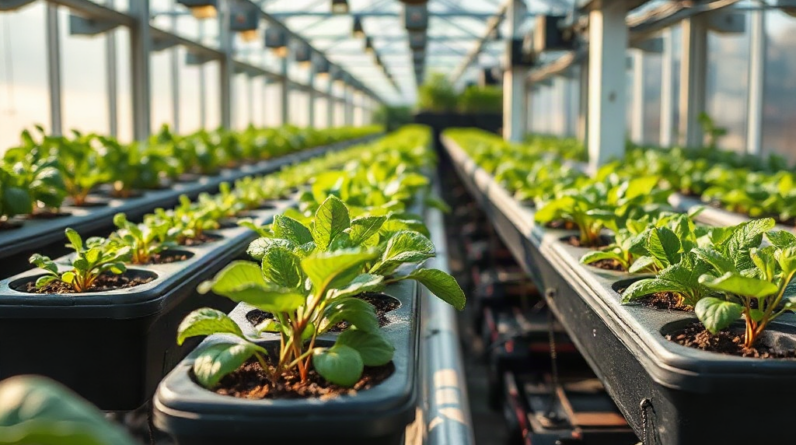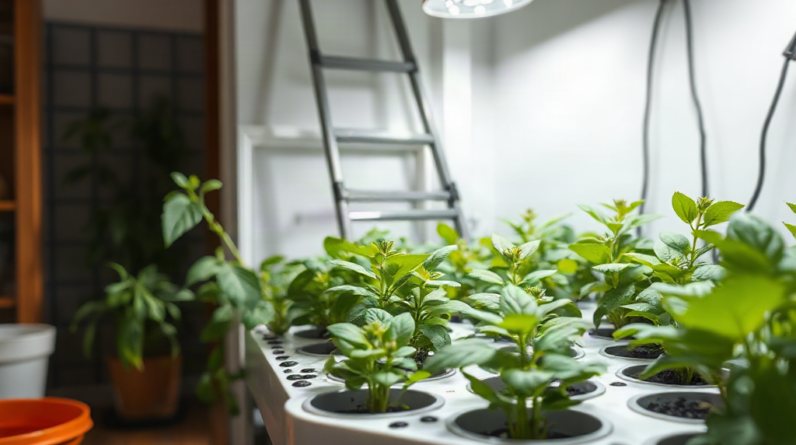
Place hydroponics away from household heating vents because forced hot air can rapidly raise leaf temperature, lower local humidity, and accelerate reservoir evaporation. Position the growing area beyond the vent’s direct airflow, then verify conditions at plant height rather than relying on a thermostat across the room. Watch for curling leaf edges, uneven growth, fast water loss, and nutrient concentration changes caused by repeated drying. If relocation is limited, redirect the vent without blocking it, add distance or a solid side barrier, and monitor air temperature, solution temperature, and humidity through several heating cycles.
Why Heating-Vent Air Disrupts a Hydroponic Growing Area
A household thermostat does not reveal the conditions experienced by leaves sitting in a stream of heated air. Supply vents create a moving pocket of warmth that may be much hotter and drier than the room average, especially while a furnace or heat pump is actively running. A garden can therefore appear to occupy a comfortable room while its outer leaves repeatedly pass through short periods of excessive heat and rapid moisture loss.
Moving air increases the transfer of moisture from leaf surfaces to the surrounding atmosphere. Plants normally regulate this process through stomata, but a strong combination of warm air and low relative humidity can increase transpiration faster than roots can replace the water. Young plants, recently transplanted seedlings, and crops with broad, tender leaves tend to show the imbalance sooner than established plants with larger root systems. Direct airflow may also make one side of a planting transpire more quickly than the other, producing uneven symptoms that are easy to mistake for a lighting problem.
The reservoir is affected as well. Warm air passing over an uncovered solution, net-pot openings, or exposed growing medium speeds evaporation. Water leaves the system while most dissolved mineral salts remain, so electrical conductivity can climb even when no additional nutrient has been added. Topping up solely by habit, without checking the solution, can hide this change until leaf margins burn or growth slows. Small countertop reservoirs are particularly vulnerable because a modest amount of evaporative loss represents a larger fraction of their total volume.
Air heat and solution heat should be considered separately. A vent aimed at foliage may cause leaf stress without appreciably warming a large reservoir. Conversely, a small dark container beside a floor register can absorb enough repeated heat to create larger solution-temperature swings. Warmer nutrient solution generally holds less dissolved oxygen than cooler solution, while roots and microorganisms continue consuming oxygen. That does not mean every nearby vent will cause root trouble, but it does make avoidable heating a poor tradeoff.
A weak assumption is that added airflow must be helpful because plants benefit from air movement. Gentle circulation from a room fan and a blast from a heating register are not equivalent. Circulation mixes the growing area more evenly; a vent delivers intermittent, heated, low-humidity air from one direction. The practical priority is to remove the crop and reservoir from that direct path before adjusting nutrients, lighting, or irrigation to compensate for an environmental problem.
How Far the Garden Should Be From a Vent
No single separation distance works for every home because vent direction, heating output, ceiling height, furniture, and system size change the airflow pattern. The correct location is outside the vent’s active air stream, not merely a fixed number of feet away. A ceiling register may project air across a room, while a floor register can send a concentrated plume directly through a low shelf. Distance is useful only when confirmed by measurements and observation.
Test the proposed position while the heating system is operating. Hold a light strip of tissue near the front, sides, and top of the plant canopy to reveal airflow direction; keep loose material away from the vent itself. Then place a thermometer and humidity sensor at canopy height. A second sensor near the reservoir helps distinguish leaf-zone exposure from solution-zone warming. Record readings before the heat starts, during a complete heating cycle, and shortly after it stops. A location that looks stable between cycles may change quickly once forced air begins moving.
Compare more than one candidate position. For example, a growing rack six feet from a vent but directly in line with its louvers may receive more hot air than a rack three feet away and positioned behind the airflow direction. A shelf beside a return-air grille presents a different issue: return vents usually pull room air rather than discharge heat, but equipment should not obstruct them. Maintain clear access and follow the heating system manufacturer’s clearance instructions rather than treating any grille as spare floor or wall space.
Use this compact placement check before filling the reservoir:
- Run the heat: Evaluate the space during actual operation, not while the system is idle.
- Map the airflow: Check the entire canopy and reservoir area for a directional draft.
- Measure locally: Read temperature and humidity where leaves will grow.
- Allow for growth: Make sure taller foliage will not enter the air stream later.
- Protect access: Leave room to inspect, refill, clean, and remove the reservoir safely.
Do not solve vent exposure by moving the garden into an unsuitable corner with poor electrical access, weak lighting clearance, or no space for maintenance. The better choice balances stable air conditions with spill-safe power placement and workable access. The placement principle behind Place hydroponics away from household heating vents is environmental stability, not distance for its own sake. Recheck the chosen position when seasonal heating begins, after vent louvers are adjusted, or when furniture changes the room’s circulation.
How to Recognize Heat and Dry-Air Stress
Vent-related stress usually follows the heating schedule and is strongest on the side facing the register. That pattern is more informative than any single leaf symptom. Look for leaf edges curling upward, tender growth becoming limp during heating cycles, localized browning, or one row of plants using water faster than the rest. Seedlings may dry unevenly in their plugs, while mature leafy crops may appear normal in the morning and lose firmness when the furnace runs.
Reservoir behavior provides another set of clues. Mark the normal solution level and note how quickly it falls. Unexpectedly rapid loss can result from plant uptake, leaks, or evaporation, so inspect tubing and fittings before blaming dry air. If the system is leak-free and water loss increases when household heating becomes frequent, the vent may be contributing. Check electrical conductivity after topping up with plain water and compare it with the system’s established operating range. A rising reading alongside falling volume points toward water leaving faster than dissolved nutrients.
A vent is not the only possible cause of curled or browned foliage. Excessive light intensity, nutrient concentration, unsuitable pH, restricted roots, and irrigation interruptions can produce overlapping signs. Separate them by examining timing and distribution. Light stress is usually strongest closest to the fixture; vent exposure follows the direction of moving air. A nutrient issue is more likely to affect plants sharing the same solution in a consistent pattern, whereas a hot draft may damage only the exposed edge of a shared channel.
Consider a small lettuce setup on a shelf near a floor register. If the plant nearest the register curls first, its starter plug dries sooner, and canopy humidity falls each time the heat activates, relocation is a more logical first test than diluting the nutrient solution. Move the shelf temporarily or redirect the air, then observe several heating cycles. Improvement means reduced midday wilting, more uniform plug moisture, slower reservoir loss, and fewer sharp changes at the canopy sensor. Existing damaged tissue may not recover, so judge progress by new growth and stable operation.
A common mistake is responding to dry air by repeatedly increasing irrigation without checking root-zone moisture. In recirculating systems, extra pump time may leave roots overly wet while the leaves remain in the same harsh airflow. Humidifiers can also create condensation or sanitation concerns if used without measurement. Correct the directional heat source first, then decide whether broader room humidity needs adjustment. For a more complete placement review, use Place hydroponics away from household heating vents as the starting rule and verify the diagnosis with local readings rather than symptoms alone.
What to Do When Relocation Is Not Possible
Limited apartments, kitchens, and utility rooms do not always offer a completely vent-free growing position. The next-best approach is to interrupt direct airflow without impairing the home’s heating system. Adjust an approved vent deflector or the register’s directional louvers so air travels away from the canopy and reservoir. Do not seal a supply vent, cover a return grille, or place equipment against heating hardware; airflow restrictions can affect comfort and system operation, and equipment-specific guidance should take priority.
A solid side panel on the growing rack can shield plants when enough clearance remains for room air to circulate. The panel should intercept the draft rather than enclose the garden. A tightly wrapped enclosure may trap lamp heat and humidity, exchanging one unstable condition for another. Place a sensor on the plant side of the barrier and test through several furnace cycles. If the panel becomes warm, the reservoir temperature rises, or humidity accumulates inside the growing area, revise the arrangement.
Protecting the reservoir may require a separate step. Fit its intended lid, close unused openings where the system design permits, and keep the container out of the warm plume. An opaque, covered reservoir reduces evaporation and light exposure, but it still needs ventilation or access specified by the system design. Insulation can slow temperature change in some setups, yet it should not hide leaks, obstruct pumps, or make cleaning difficult. Moving only the reservoir can be worthwhile when tubing allows it and the foliage is already outside the strongest airflow.
Humidification is a secondary control, not a substitute for correcting a direct blast. If the entire room remains dry after airflow is redirected, a clean humidifier may moderate conditions, but it needs routine maintenance and should not discharge mist onto leaves, lights, outlets, or walls. Measure humidity at canopy level and watch nearby surfaces for condensation. Raising room humidity excessively can encourage moisture accumulation around windows and dense foliage, particularly when temperatures fall overnight.
Evaluate each modification with the same sequence: measure the original conditions, change one variable, observe multiple heating cycles, and compare plant-zone readings and water use. Signs of success include smaller temperature swings, steadier humidity, uniform leaf posture, and predictable reservoir top-ups. Continued one-sided curling, rapid solution loss, or a reservoir that warms during every cycle indicates that the intervention is insufficient. At that point, a different shelf, longer tubing run, or seasonal rearrangement is usually more dependable than stacking additional controls around a poor location.
Keep electrical safety in the decision. Extension arrangements, pumps, lights, and water containers should not be improvised simply to gain a few feet from a vent. Preserve drip loops, keep connections away from likely spills, and use equipment according to its instructions. The best application of Place hydroponics away from household heating vents is a layout that reduces environmental swings without creating maintenance, access, or electrical hazards.
Frequently Asked Questions
How far should a hydroponic garden be from a heating vent?
There is no universal distance. Place it beyond the direct airflow and confirm the location with temperature and humidity readings at canopy height while the heat is running.
Can a heating vent change nutrient strength?
Yes. Faster reservoir evaporation removes water while leaving most dissolved salts behind, which can raise electrical conductivity unless the solution is monitored and topped up appropriately.
Is a vent deflector enough to protect the plants?
It may be enough if it redirects the entire warm-air stream and measurements remain stable through several heating cycles. Never use a deflector in a way that blocks required HVAC airflow.
Should I run the hydroponic pump more often when furnace air dries the leaves?
Not automatically. Extra irrigation may oversaturate the root zone without correcting dry air around the foliage. Redirect or escape the heated airflow first, then assess irrigation separately.
Can a humidifier solve heating-vent exposure?
A humidifier may address low room humidity, but it will not remove the heat and turbulence of a direct draft. Relocation or airflow redirection should come first.
Conclusion
A reliable indoor growing position is defined by stable conditions at the leaves and reservoir, not by the temperature displayed on a distant wall thermostat. Run the household heat, map the moving air, and compare canopy-level temperature and humidity before committing to a location. Track solution level and conductivity so increased evaporation does not masquerade as ordinary plant water use.
When space is tight, redirect the supply air or add a ventilated side barrier, then verify the result across multiple heating cycles. Avoid blocking HVAC grilles or enclosing the garden so tightly that lamp heat and moisture accumulate. Persistent one-sided leaf stress, rapid top-up demand, or repeated solution warming means the site still needs adjustment. Prioritize relocation when possible because it removes the disturbance rather than requiring irrigation, humidity, and reservoir management to compensate for it.