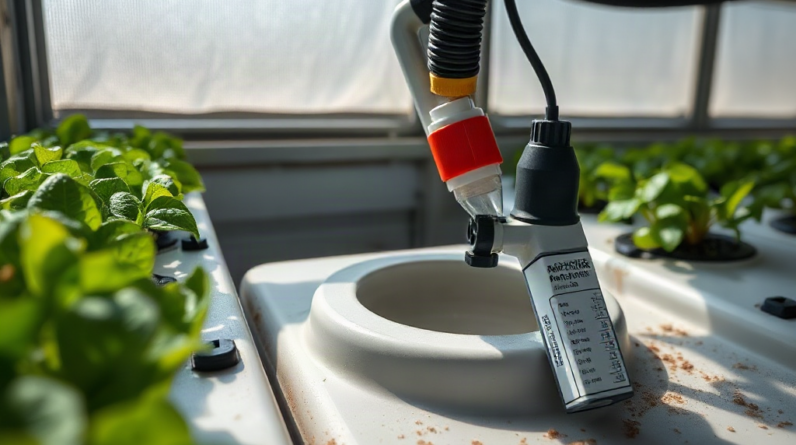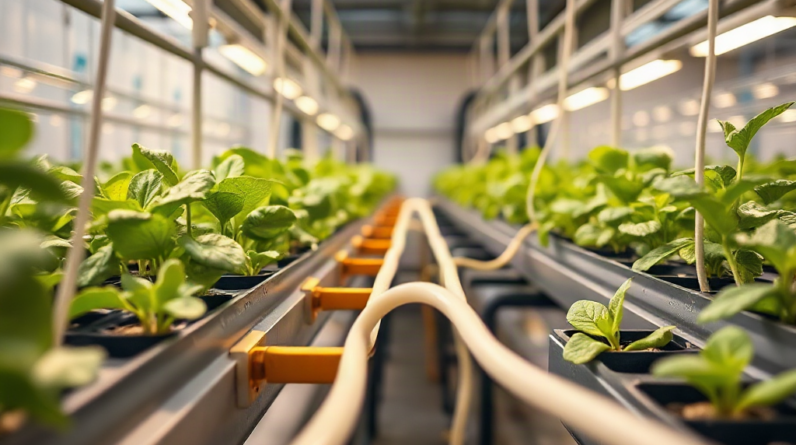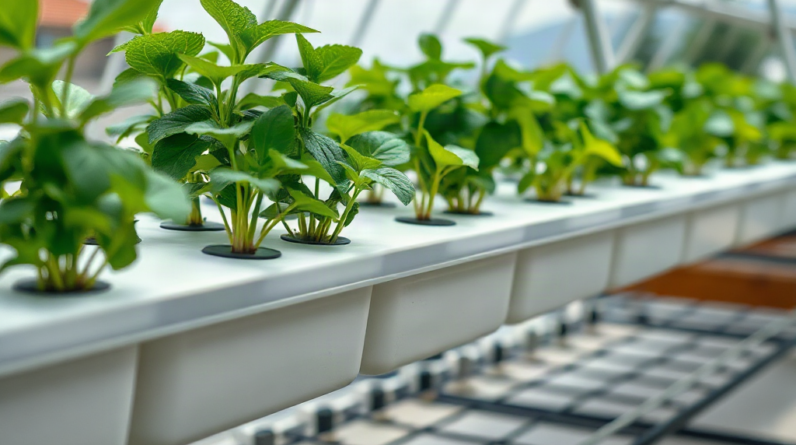
Light intensity is crucial for the success of hydroponic setups, as it directly affects plant growth and health. Insufficient or excessive light can lead to a range of problems, including poor growth, nutrient deficiencies, and reduced yields. Understanding the specific light requirements of different plants is essential for optimizing growth conditions and avoiding these common pitfalls.
One of the most significant issues hydroponic gardeners face is the inadequate light source. Many growers underestimate the light requirements of their plants, leading to weak and leggy growth. Additionally, the distance between the plants and the light source plays a critical role; lights that are too far away may not provide sufficient intensity, while lights that are too close can cause leaf burn. Establishing a proper light schedule is also vital, as insufficient light duration can hinder photosynthesis and overall plant health.
Understanding Light Intensity Needs
Each plant species has unique light intensity needs that must be met for optimal growth. For instance, leafy greens like lettuce thrive in lower light conditions, while fruiting plants like tomatoes require higher intensities. Using a light meter can help determine the exact light levels in your setup, allowing for adjustments to be made based on the specific requirements of the plants being grown.
Understanding these needs is critical, as providing the wrong light intensity can lead to poor growth or even plant death. Many growers make the mistake of using standard grow lights without considering the specific needs of their plants. Investing in adjustable grow lights or using a combination of different light types can help cater to various plant requirements.
Common Problems Resulting from Incorrect Light Intensity
Incorrect light intensity can lead to various issues, such as leggy plants, yellowing leaves, and stunted growth. When plants do not receive enough light, they stretch toward the light source, resulting in weak stems and poor structure. Conversely, excessive light can scorch leaves, leading to browning and dieback.
To avoid these problems, it is essential to monitor plant response to lighting conditions actively. Adjusting light intensity and distance based on observed growth patterns can significantly improve plant health. A common mistake is to leave lights at a fixed distance without reassessing plant growth, which can lead to ongoing issues.
Adjusting Light Sources and Distances
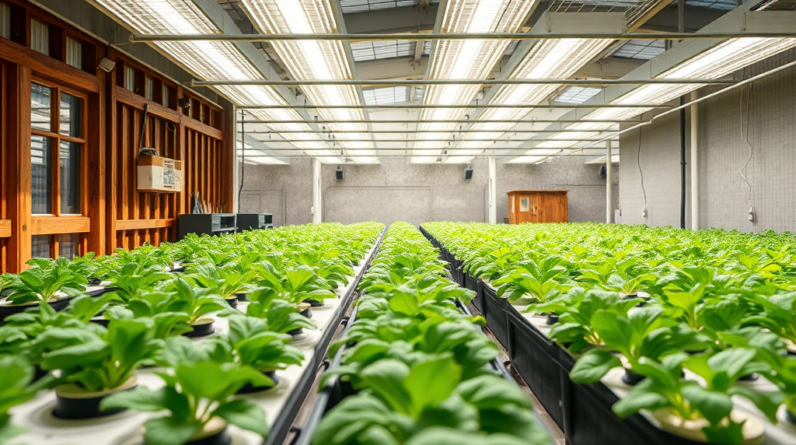
Properly adjusting light sources and their distances from plants is crucial for maintaining optimal light intensity. LED grow lights, for example, can be adjusted to different heights as plants grow. As a general rule, lights should be positioned closer to plants during the early growth stages and raised as plants mature.
Additionally, using reflectors or light diffusion techniques can help distribute light more evenly across the growing area. Many growers overlook the importance of light distribution, focusing solely on intensity. A well-lit area with even distribution will promote healthier and more uniform plant growth.
Creating an Effective Light Schedule
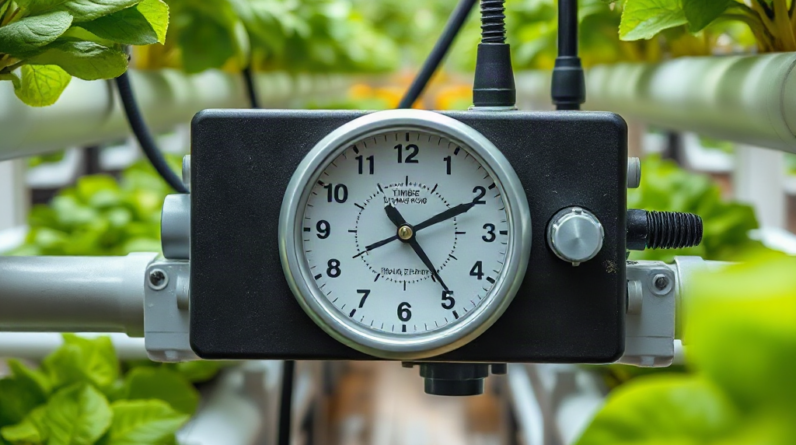
Establishing an effective light schedule is essential for maximizing plant growth in hydroponic systems. Most plants benefit from 12-16 hours of light per day, depending on their species and growth stage. Using timers can help automate the lighting process, ensuring that plants receive consistent light exposure.
Failing to maintain a consistent light schedule can lead to stress in plants, affecting their overall health and productivity. It’s also important to consider the dark cycle, as plants need time to rest and undergo respiration processes. The right balance of light and dark periods will promote healthy growth and maximize yields.
For those seeking to deepen their understanding of light intensity in hydroponic setups, consider exploring resources from agricultural extension services or university horticulture departments. These sources often provide valuable insights into specific plant needs and advanced lighting techniques.
Further Reading
Authoritative Sources
- USDA National Institute of Food and Agriculture
nifa.usda.govResearch and extension resources related to agriculture, plants, soil, and food systems
- Extension Foundation Gardening Resources
extension.orgUniversity extension education resources for practical gardening and home agriculture topics
- USDA Natural Resources Conservation Service
nrcs.usda.govSoil, water, conservation, and land management resources for practical growing decisions
Frequently Asked Questions
What are the signs of inadequate light intensity in hydroponic systems?
Signs include leggy growth, yellowing leaves, and overall stunted growth.
How can I measure light intensity in my hydroponic setup?
Using a light meter is the most accurate way to measure the intensity of light in your setup.
What types of lights are best for hydroponics?
LED grow lights are popular due to their efficiency and adjustable intensity.
How far should lights be from my plants?
The distance varies by light type, but generally, LEDs should be 12-24 inches above plants.
How long should I keep my lights on for optimal growth?
Most plants benefit from 12-16 hours of light per day, depending on their growth stage.
Conclusion
In conclusion, addressing problems with light intensity in hydroponic setups is vital for achieving healthy plant growth. By understanding specific plant needs, adjusting light sources and distances, and creating an effective light schedule, growers can significantly enhance their crop quality and yields. Regular monitoring and adjustments based on plant responses will ensure that light conditions remain optimal throughout the growing cycle.
Related Content
- Harnessing Innovation: How an Automated Hydroponic System Transforms Urban Farming
- The Ultimate Guide to the Best Hydroponic Lettuce Tower Systems for 2025
- Top Plants for Hydroponic Gardening
- Understanding Plant Response to Hydroponic Nutrients: Key Factors Affecting Growth and Development
- Efficient Hydroponic Watering System: Key Methods for Optimal Plant Health