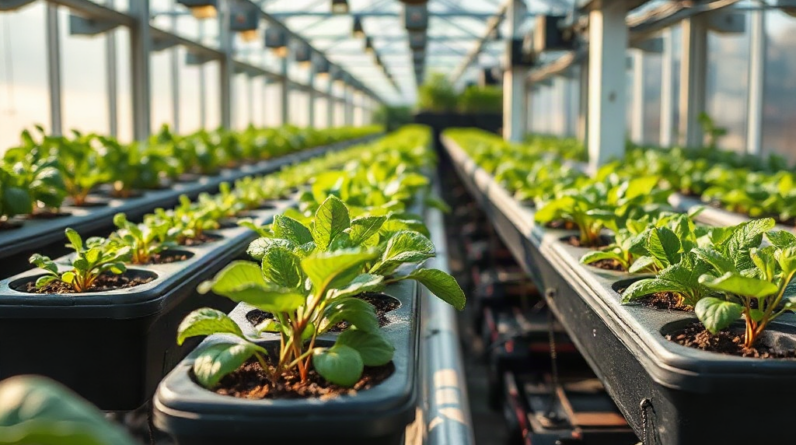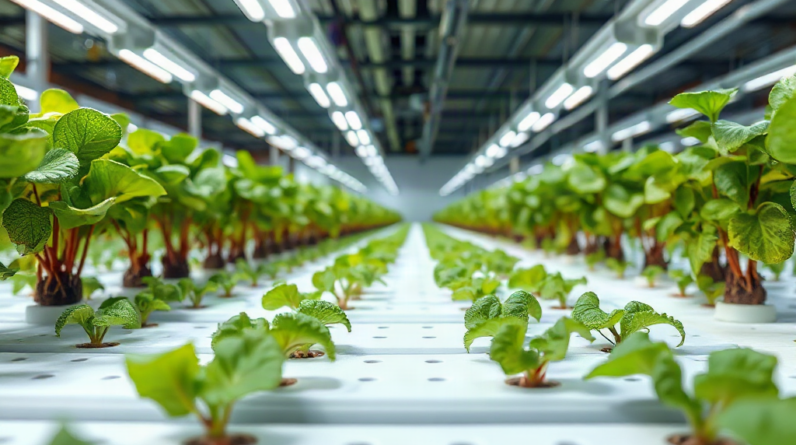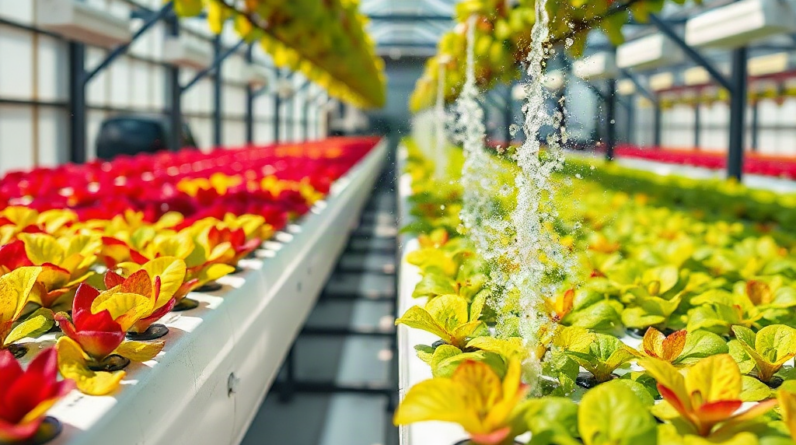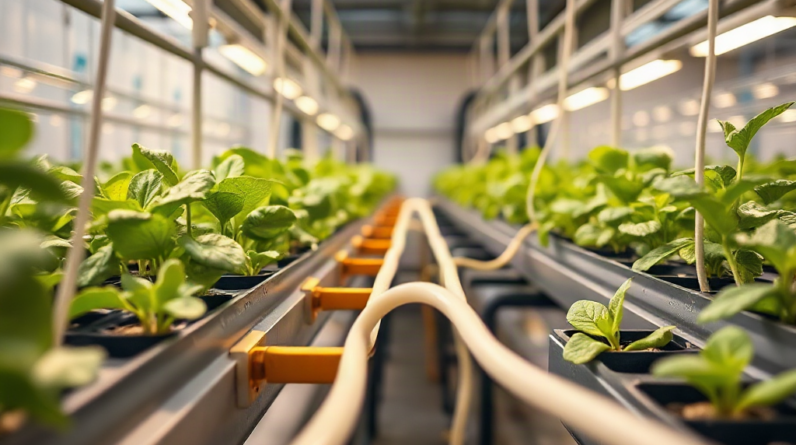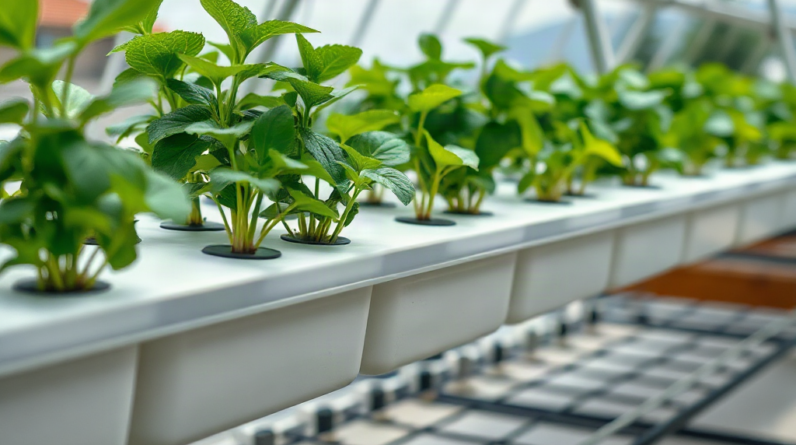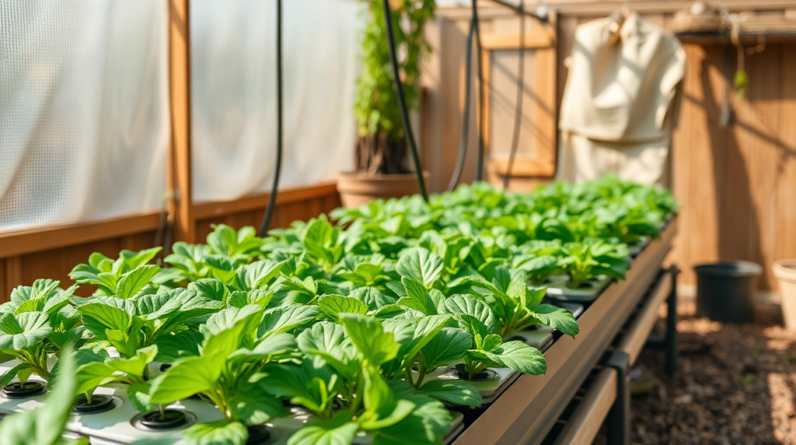
Integrating hydroponics into traditional gardening can significantly enhance your gardening experience by maximizing space, improving yield, and optimizing resource use. This approach allows you to grow plants in both soil and soilless systems, benefiting from the strengths of each method. By incorporating hydroponics, you can cultivate crops more efficiently while also experimenting with new growing techniques.
To start, assess your existing garden setup and determine which plants will thrive best in a hydroponic environment. Leafy greens, herbs, and certain fruits are excellent candidates as they adapt well to hydroponic systems. Next, choose a hydroponic method that suits your space and preferences, such as nutrient film technique (NFT), deep water culture (DWC), or aeroponics. Each system has unique advantages, so consider factors like maintenance, costs, and growth speed.
Benefits of Hydroponics in Traditional Gardening
Integrating hydroponics into traditional gardening provides multiple benefits. The most notable is increased yield, as hydroponic systems can produce crops faster and in a smaller space compared to traditional soil methods. Additionally, hydroponics often requires less water, as the systems recycle water efficiently. This reduction in water usage is crucial in regions facing drought or water scarcity.
Moreover, hydroponics minimizes soil-borne diseases and pests, reducing the need for chemical treatments. This can lead to healthier plants and a more sustainable gardening practice. Furthermore, hydroponic systems allow for year-round cultivation, giving you the ability to grow fresh produce regardless of seasonal changes.
Choosing the Right Hydroponic System
When selecting a hydroponic system to integrate with your traditional garden, consider factors such as space, budget, and the types of plants you wish to grow. Each hydroponic method has its pros and cons. For instance, NFT systems are great for leafy greens but may require more maintenance, while DWC systems are user-friendly and suitable for a variety of plants.
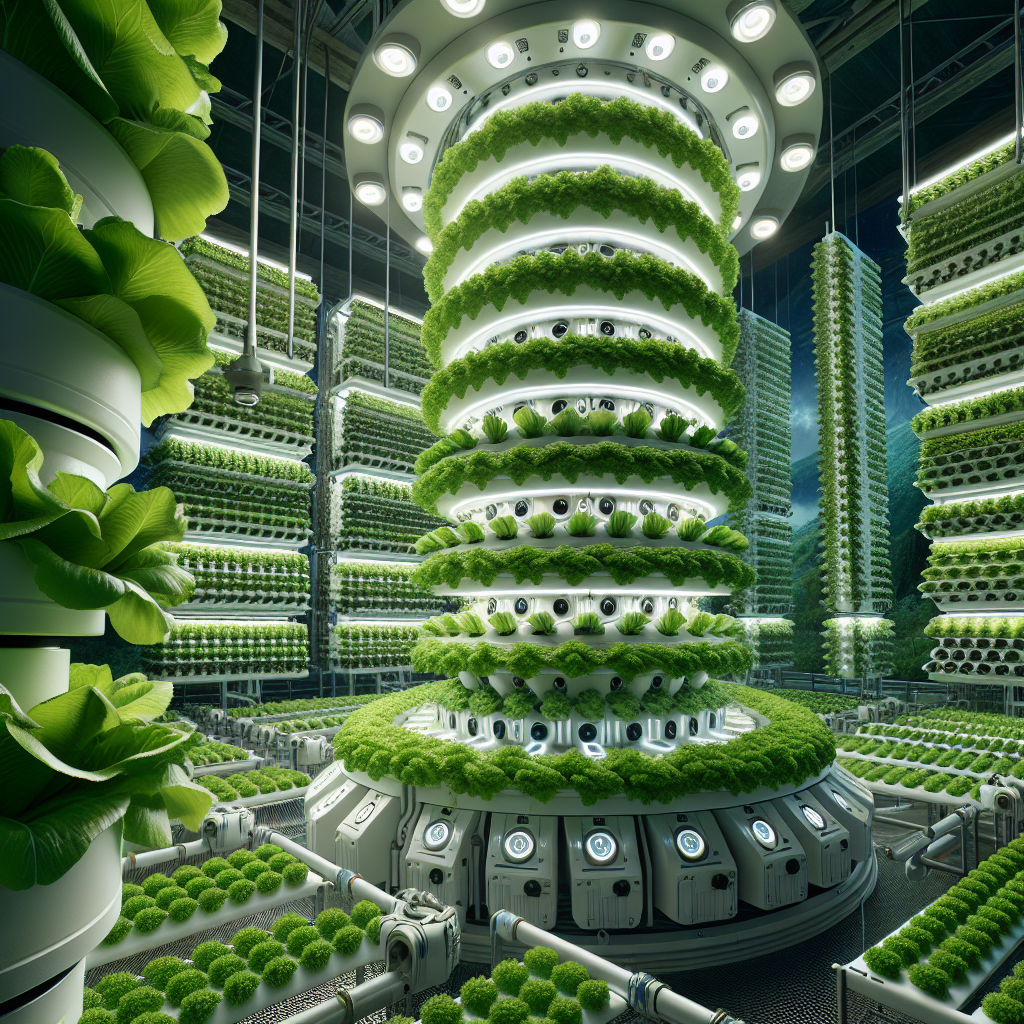
Evaluate your gardening goals as well. If you’re looking for a system that allows for quick growth and easy setup, a simple Kratky method or a small-scale DWC might be ideal. If you have more experience and space, consider investing in a more complex system like aeroponics or vertical farming setups that can produce a larger yield.
Setting Up Your Hydroponic System
To successfully set up your hydroponic system alongside your traditional garden, start by selecting a location with adequate light and air circulation. If you have limited natural light, consider using grow lights to ensure your plants receive the necessary light for photosynthesis. Next, prepare your hydroponic nutrient solution, which should be tailored to the specific needs of the plants you intend to grow.
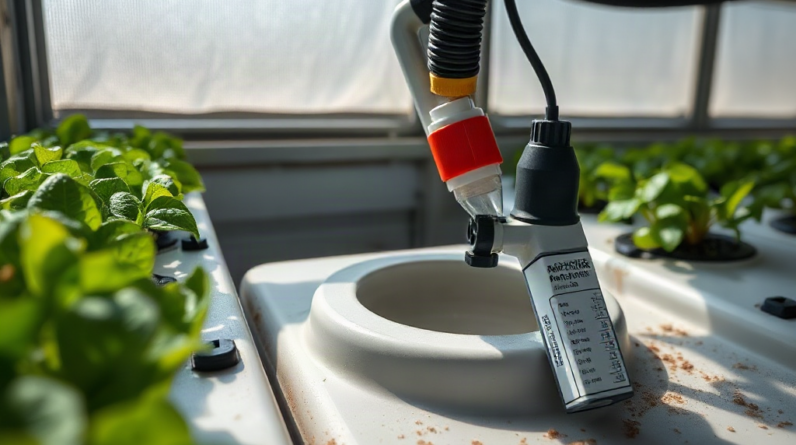
Connect your hydroponic system to a water source, ensuring that the water is clean and free from contaminants. Monitor the pH and nutrient levels regularly, as these factors greatly influence plant health. Additionally, it’s important to maintain proper temperature and humidity levels to create an optimal growing environment.
Common Mistakes to Avoid
When integrating hydroponics into traditional gardening, avoid common pitfalls such as over-fertilizing or neglecting to monitor water levels. Over-fertilization can lead to nutrient burn, damaging your plants and reducing yield. Ensure you follow the recommended nutrient guidelines for each plant type.
Another mistake is failing to properly balance the pH levels in your hydroponic system. Most plants thrive in a pH range of 5.5 to 6.5, so regular testing is essential. Lastly, don’t ignore the importance of good airflow and light exposure, as these are crucial for healthy plant growth.
Frequently Asked Questions
What is the easiest hydroponic system to start with?
The Kratky method is often considered the easiest hydroponic system for beginners, as it requires minimal equipment and maintenance.
Can I grow all plants hydroponically?
While many plants can be grown hydroponically, leafy greens, herbs, and strawberries are among the most successful in hydroponic systems.
How often should I change the nutrient solution?
Generally, it’s recommended to change the nutrient solution every two weeks to maintain optimal nutrient levels for your plants.
What are the signs of nutrient deficiency in hydroponic plants?
Signs of nutrient deficiency can include yellowing leaves, stunted growth, and poor fruit development. Regular monitoring can help prevent these issues.
Is hydroponics more expensive than traditional gardening?
While initial setup costs for hydroponics can be higher, the long-term savings on water and increased yields can offset these expenses.
Conclusion
Integrating hydroponics into traditional gardening can enhance your gardening experience by maximizing space and improving plant yield. By selecting the right system, monitoring environmental conditions, and avoiding common mistakes, you can create a thriving dual-gardening environment. This innovative approach not only supports sustainable practices but also allows for year-round cultivation of fresh produce. As you experiment with hydroponics, remember to stay informed and adjust your techniques based on your specific gardening conditions.