
Scaling up your hydroponic garden involves optimizing space, improving resource management, and selecting the right crops to enhance productivity. By strategically planning your layout and incorporating automation, you can significantly increase your yield while maintaining efficiency. A well-designed system not only maximizes plant growth but also minimizes resource wastage, which is crucial for larger operations.
One common mistake when expanding is overlooking system maintenance. As your garden grows, the complexity of your setup increases, making regular maintenance essential to prevent system failures. Additionally, many growers underestimate the importance of proper lighting and nutrient management. These factors are critical for plant health, especially when scaling up. Investing in quality infrastructure, such as advanced lighting and nutrient delivery systems, will pay off by improving yields and reducing labor costs.
Assessing Your Current Hydroponic Setup
Before scaling up, evaluate your existing hydroponic system. Identify strengths and weaknesses in your current setup, including space utilization, nutrient delivery methods, and crop selection. A thorough assessment will help you determine what improvements are necessary for expansion.
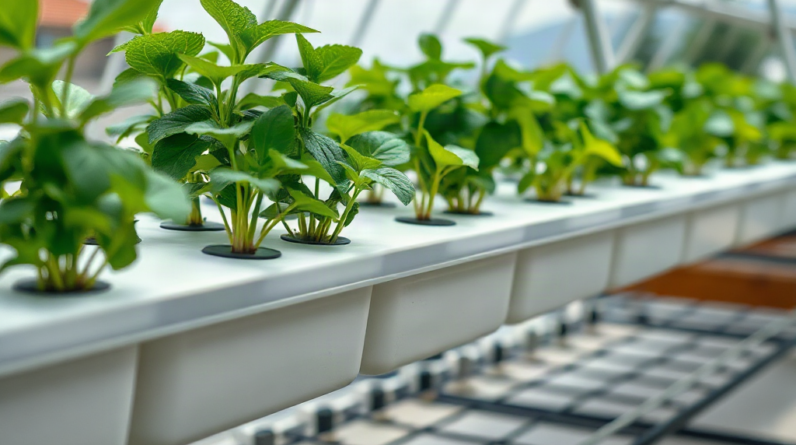
One area to focus on is the layout of your garden. Efficient space management can significantly impact your ability to scale. Consider vertical farming techniques or modular systems to maximize your growing area. Additionally, assess your current equipment to ensure it can handle a larger operation. Upgrading to more efficient pumps, lights, and nutrient delivery systems can facilitate a smoother transition to a larger scale.
Choosing the Right Crops for Scaling Up
When expanding your hydroponic garden, selecting the right crops is crucial. Opt for high-yield varieties that are well-suited to hydroponic systems. Leafy greens, herbs, and certain fruiting plants like tomatoes and cucumbers can thrive in hydroponic conditions and provide significant returns.
Consider market demand when choosing crops. Research which varieties are popular in your area or have potential for higher profit margins. Diversifying your crop selection can also mitigate risk, as different plants may have varying growth rates and market needs. Additionally, ensure that the crops you choose can grow well together in terms of nutrient and light requirements, which will simplify your management tasks.
Implementing Automation and Technology
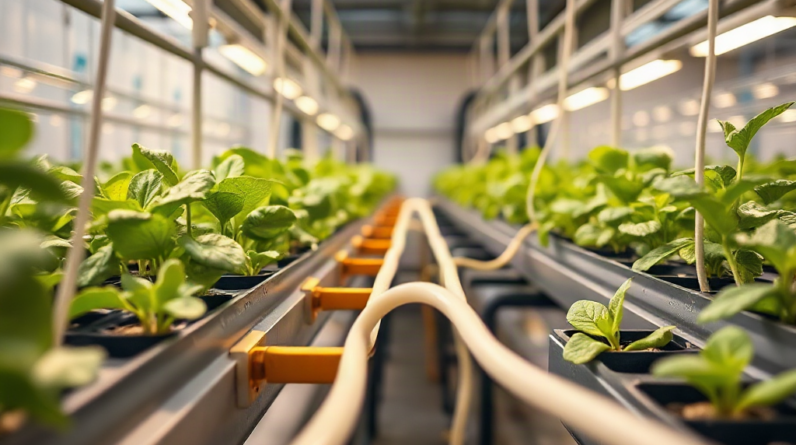
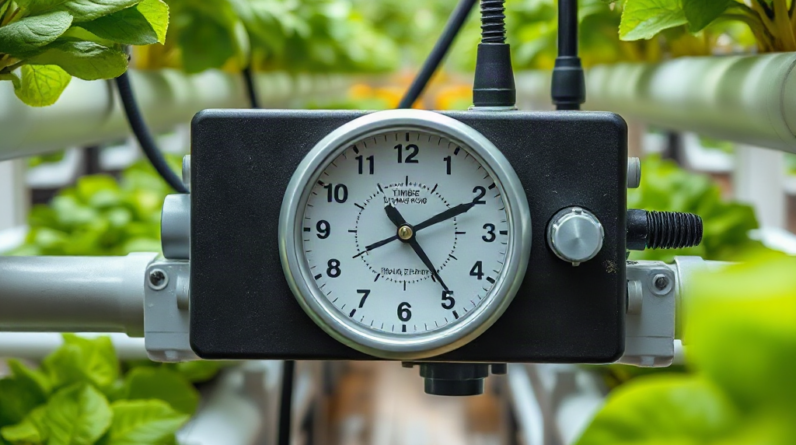
Automation plays a critical role in scaling up your hydroponic garden. By implementing technology such as automated nutrient delivery systems, environmental controls, and monitoring tools, you can reduce labor costs and ensure consistent growing conditions.
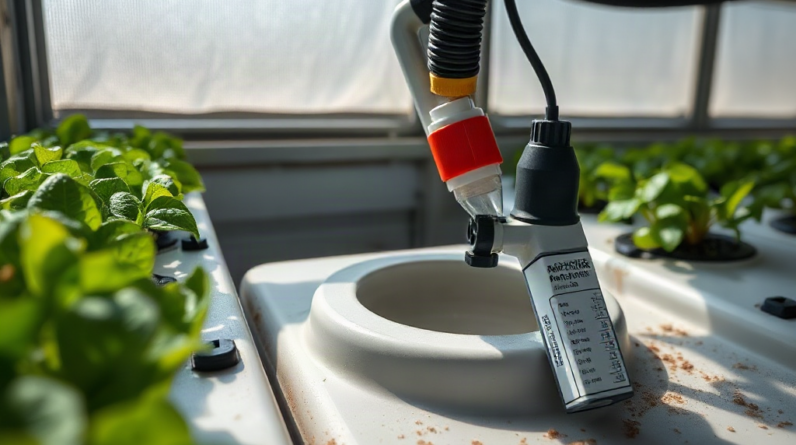
Investing in smart sensors can provide real-time data on pH, nutrient levels, and environmental conditions, allowing you to make informed adjustments. Automated systems can also help maintain optimal conditions for plant growth, reducing the risk of human error. As you scale, consider integrating software solutions for inventory management and crop tracking, which can streamline operations and enhance productivity.
Maximizing Resource Efficiency
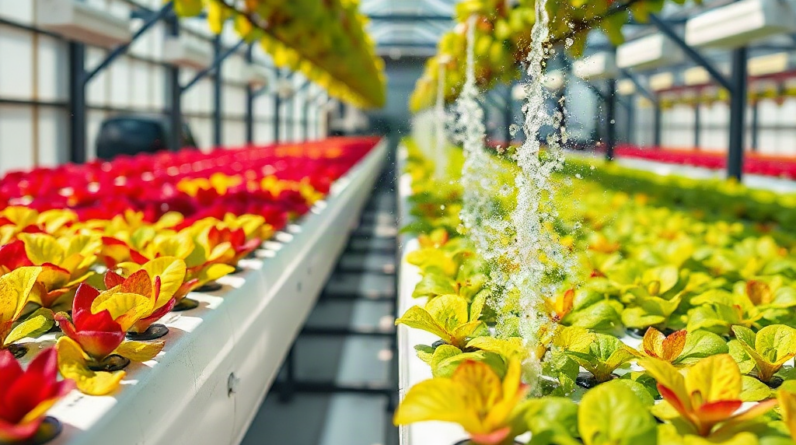
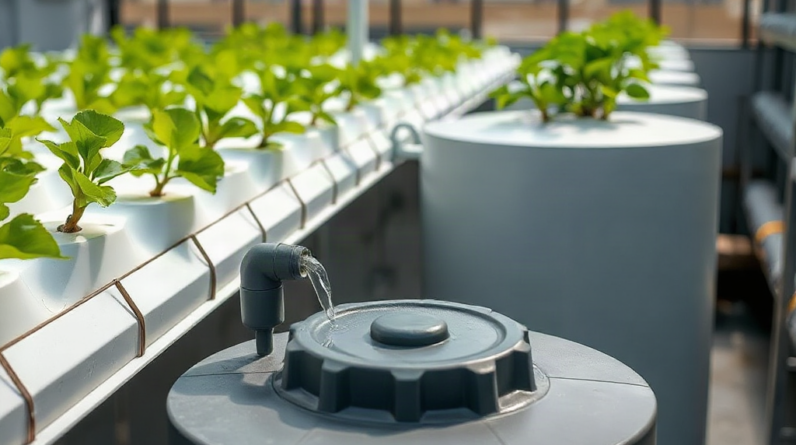
Resource efficiency is vital when scaling up your hydroponic garden. Focus on optimizing water and nutrient usage to minimize waste. Implementing recirculating systems can significantly reduce water consumption while maintaining plant health.
Additionally, consider the energy efficiency of your lighting and heating systems. LED lights, for example, consume less energy and produce less heat compared to conventional bulbs, making them a more sustainable option for larger setups. Regularly evaluate your resource consumption to identify potential areas for improvement and cost savings.
Maintaining System Health During Expansion
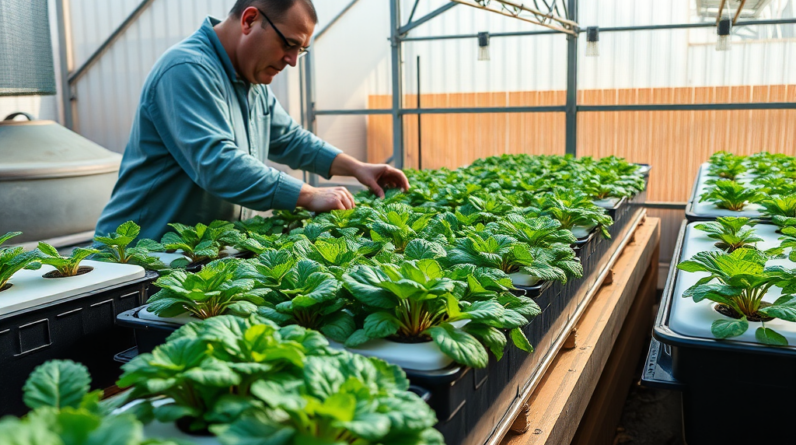
As you scale your hydroponic garden, maintaining system health is crucial to prevent crop failures. Regular monitoring of water quality, nutrient levels, and plant health should be a priority. Implement a routine maintenance schedule to address any issues promptly.
Common pitfalls include neglecting to clean systems regularly, which can lead to algae buildup and disease spread. Ensure that all components of your setup are sanitized and functioning properly. Keeping detailed records of maintenance activities and crop performance can also help you identify trends and make necessary adjustments.
Frequently Asked Questions
What are the best crops for hydroponic systems?
Leafy greens, herbs, and fruiting plants like tomatoes and peppers are among the best crops for hydroponic systems due to their adaptability and high yield potential.
How can I increase yield in my hydroponic garden?
Increasing yield can be achieved by optimizing nutrient delivery, enhancing lighting conditions, and carefully selecting high-yield crop varieties.
What are common mistakes when scaling up a hydroponic garden?
Common mistakes include neglecting system maintenance, underestimating the importance of light and nutrient management, and failing to assess the capacity of existing equipment.
How often should I check my hydroponic system?
It’s recommended to check your hydroponic system at least once a week to monitor water levels, nutrient concentrations, and plant health.
What is the role of automation in hydroponics?
Automation helps streamline operations, reduce labor costs, and maintain consistent growing conditions through systems that monitor and adjust nutrient delivery and environmental factors.
Further Reading
Authoritative Sources
- Small-scale hydroponics
extension.umn.eduYou can increase space efficiency with adjustable wire shelves, with plastic totes or buckets on each shelf.
- Hydroponics Production Tips for Increasing Yield
getgrowee.comLeafy greens, herbs, and certain fruits like tomatoes and strawberries. Maintain ideal temperature, humidity, and CO2 levels to support optimal plant growth. ...
- Hydroponics 101: A Beginner's Guide to Efficient and High- ...
bootstrapfarmer.comFaster growth rates can be achieved when we focus on our crops' nutritional requirements and couple them with the ideal pH. Heavier yields are often seen ...
- Hydroponic Gardens: Create a Thriving Indoor Oasis
risegardens.comFor maximum yield, segment your growing space into dedicated zones – propagation areas with 25% nutrient strength, vegetative growth zones at ...
Conclusion
Scaling up your hydroponic garden requires careful planning and execution. Focus on optimizing your layout, selecting high-yield crops, and implementing automation to enhance efficiency. Regular maintenance is essential to ensure system health and maximize productivity. By prioritizing these aspects, you can successfully expand your hydroponic operation and achieve greater yields.
Related Content
- Cultivate Greens Year-Round with Hydroponics
- Common Problems With Hydroponic Strawberries: Causes and Solutions
- Safe Electrical Outlets for Hydroponic Gardens (GFCI Placement, Cord Routing, and Shutdown Checks)
- The Benefits of Using Organic Nutrients in Hydroponics
- Issues With Organic Nutrients in Hydroponics: Common Problems and Effective Solutions