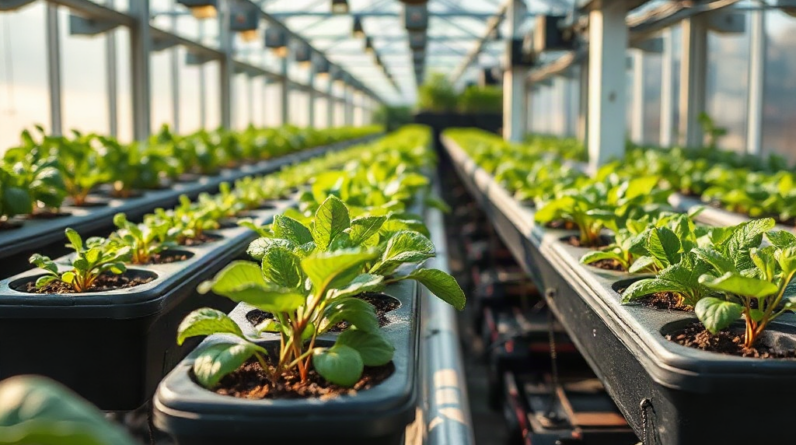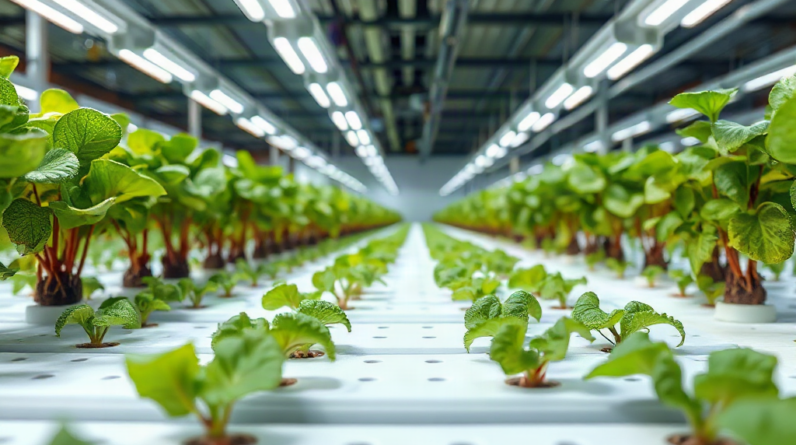
Starting a hydroponic garden involves careful planning and consideration of several key factors that can make or break your success. First and foremost, assess your available space to determine the appropriate size and type of hydroponic system you can implement. Different systems require different setups and maintenance levels, making this assessment crucial for effective gardening.
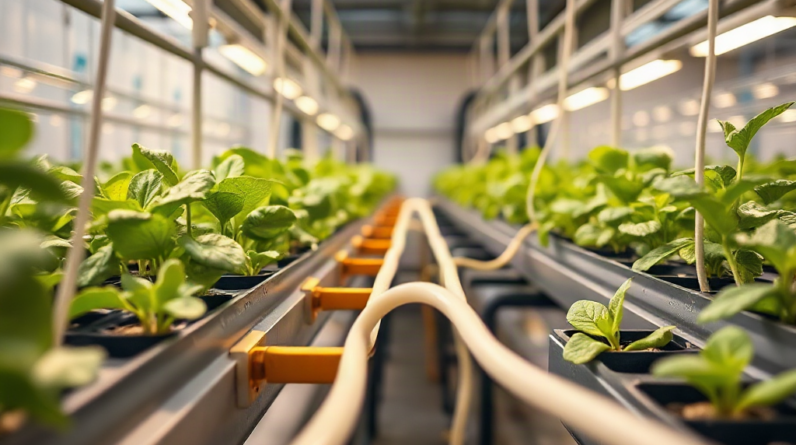
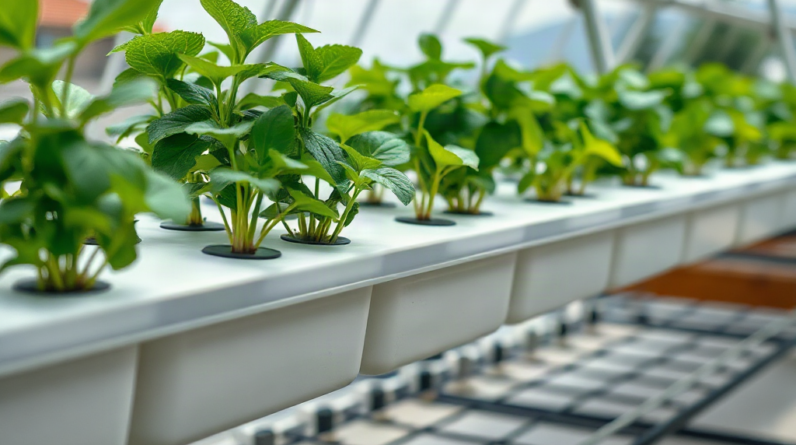
Next, consider the type of hydroponic system that best fits your needs. Options include deep water culture, nutrient film technique (NFT), aeroponics, and others, each with distinct advantages and challenges. Understanding the specifics of each system will help you align your gardening goals with the right technology. Additionally, selecting the right plants is essential; certain crops thrive in hydroponic systems better than others, with leafy greens, herbs, and small fruiting plants often yielding the best results.
Assessing Space and Environment
When starting a hydroponic garden, the first step is to evaluate your available space and environmental conditions. This includes considering factors such as light availability, temperature control, and humidity levels. A well-lit area is essential for plant growth, so choosing a location with access to natural light or planning for artificial lighting is crucial.
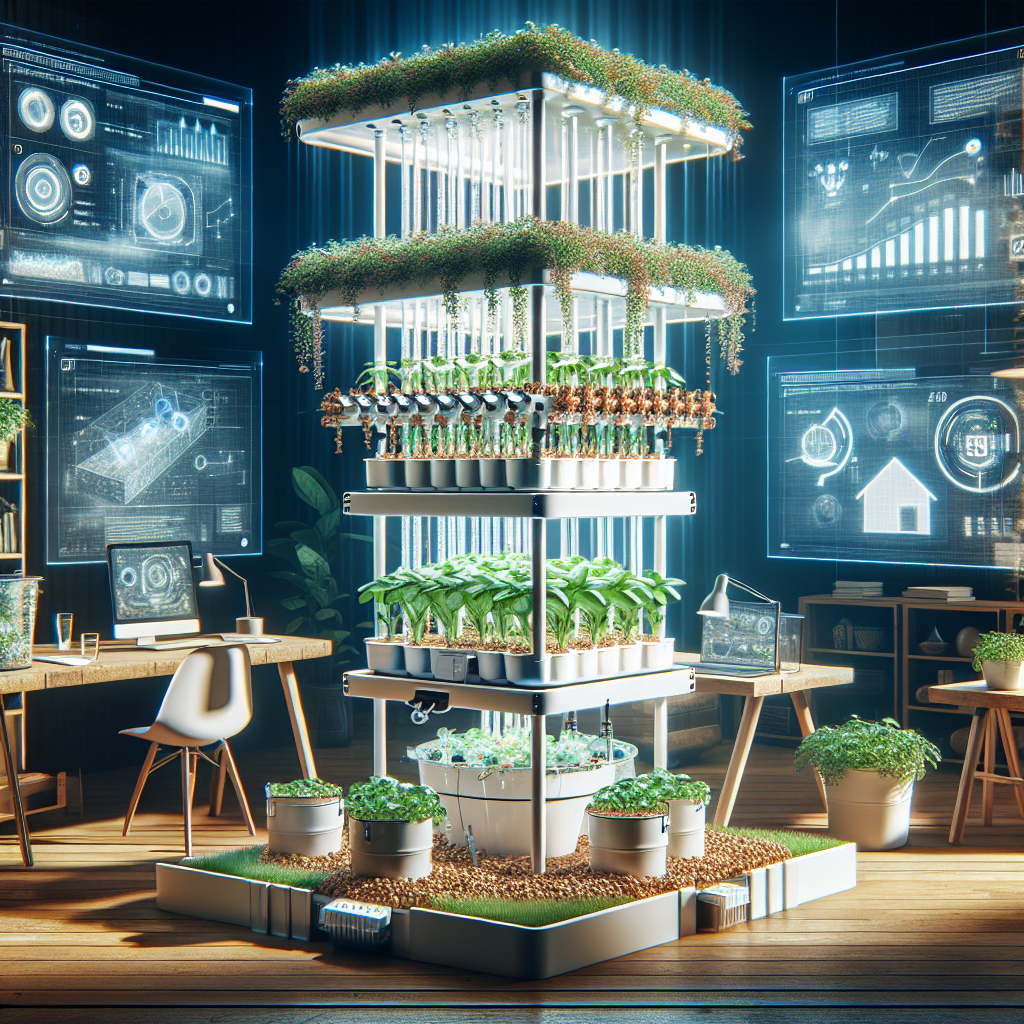
Moreover, the size of your garden will dictate the scale of your hydroponic system. Compact systems are suitable for small spaces, while larger setups may require more extensive planning and investment. Each hydroponic system has specific spatial requirements that must be met to ensure optimal plant growth.
Choosing the Right Hydroponic System
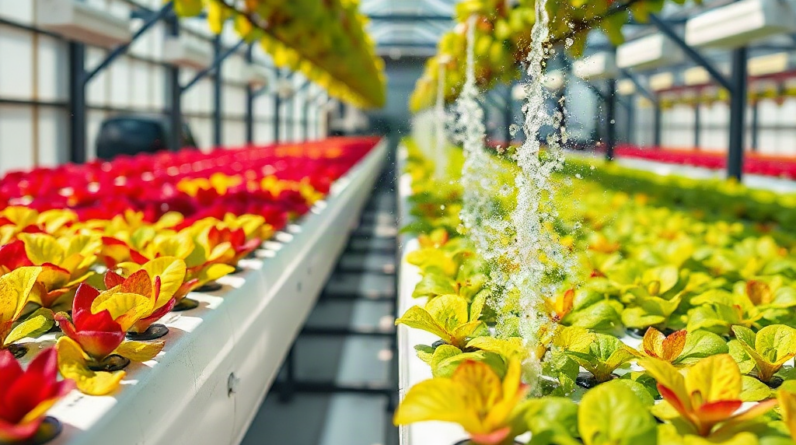
Selecting the appropriate hydroponic system is vital for achieving your gardening goals. Systems like deep water culture, aeroponics, and nutrient film technique each offer unique benefits and challenges. For example, deep water culture is relatively simple and allows for rapid plant growth, while aeroponics can increase oxygen exposure to roots, enhancing growth rates.
Understanding the operational requirements of each system is essential. Some systems may require more frequent monitoring and maintenance, while others are more hands-off. Evaluate your commitment level and select a system that matches your gardening style and lifestyle.
Selecting Suitable Plants
Not all plants are equally suited for hydroponic gardening. Leafy greens like lettuce and herbs such as basil and mint are excellent choices for beginners due to their quick growth cycles and adaptability to hydroponic conditions. Additionally, some fruiting plants can also thrive, but they may require more specific conditions and care.
Researching plant varieties that perform well in hydroponic systems will optimize your chances of success. Consider your dietary preferences and market demand if you plan to sell your produce, as this will guide your plant selection process.
Water Quality and Nutrient Management
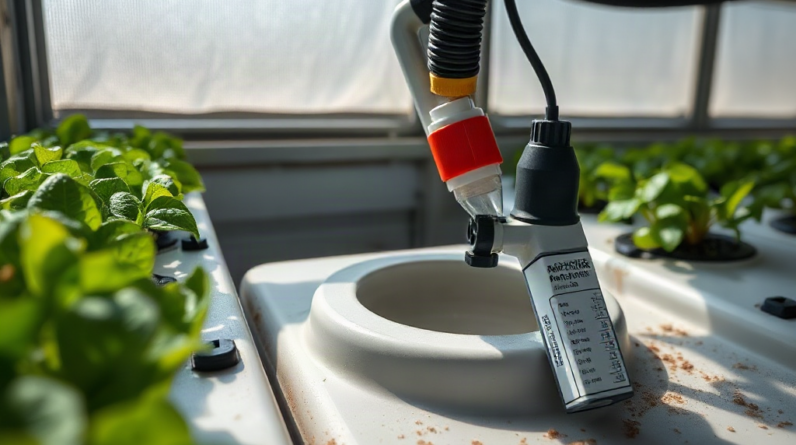
Water quality is a cornerstone of successful hydroponic gardening. Ensure that your water source is free from contaminants and has the appropriate pH and nutrient levels. Regularly testing water parameters will enable you to adjust the nutrient solution to meet the plants’ needs effectively.
Additionally, understanding the nutrient requirements of your chosen plants will help you formulate a balanced feeding schedule. Different growth stages may require varying nutrient concentrations, so keeping a close eye on your plants’ development is crucial.
Common Mistakes to Avoid
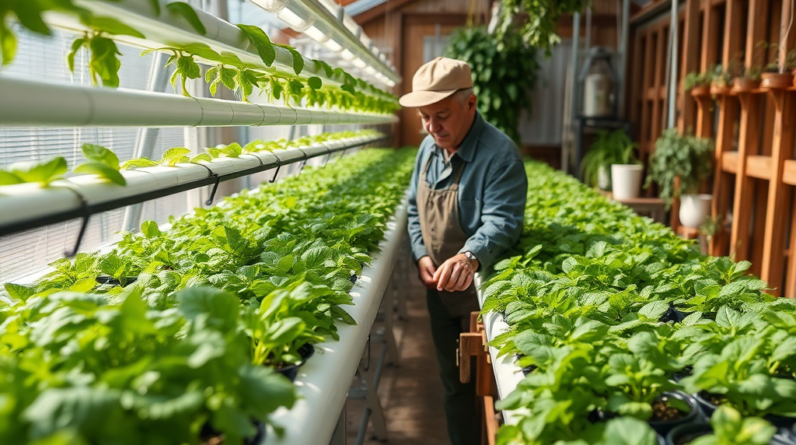
Starting a hydroponic garden can be rewarding, but there are common pitfalls to watch out for. One major mistake is neglecting system maintenance, which can lead to nutrient imbalances, algae growth, and plant diseases. Regularly checking your system for leaks and ensuring proper aeration is essential for plant health.
Another mistake is overplanting or choosing incompatible plants. Ensure that your system can support the number and type of plants you wish to grow, as overcrowding can lead to poor growth and increased disease susceptibility. Start small and gradually expand as you gain confidence and experience.
Further Reading
Authoritative Sources
- USDA National Institute of Food and Agriculture
nifa.usda.govResearch and extension resources related to agriculture, plants, soil, and food systems
- Extension Foundation Gardening Resources
extension.orgUniversity extension education resources for practical gardening and home agriculture topics
- USDA Natural Resources Conservation Service
nrcs.usda.govSoil, water, conservation, and land management resources for practical growing decisions
Conclusion
In summary, starting a hydroponic garden requires careful consideration of space, system choice, and plant selection. By understanding these essential factors and avoiding common mistakes, you can set yourself up for a successful gardening experience. Begin with manageable goals, ensure proper maintenance, and enjoy the unique benefits of growing plants without soil.