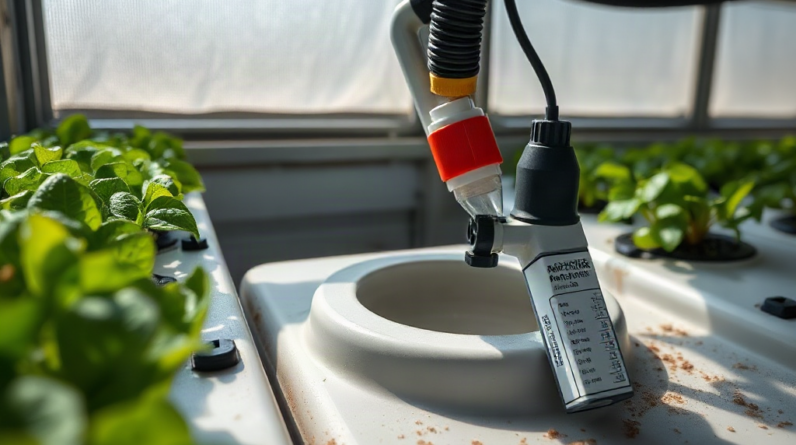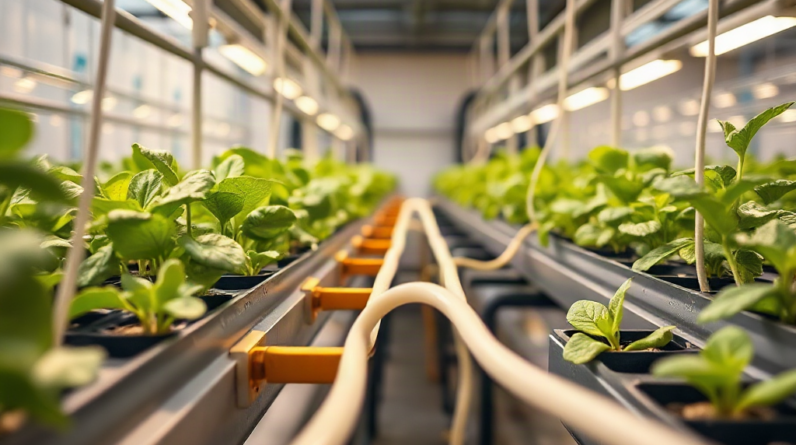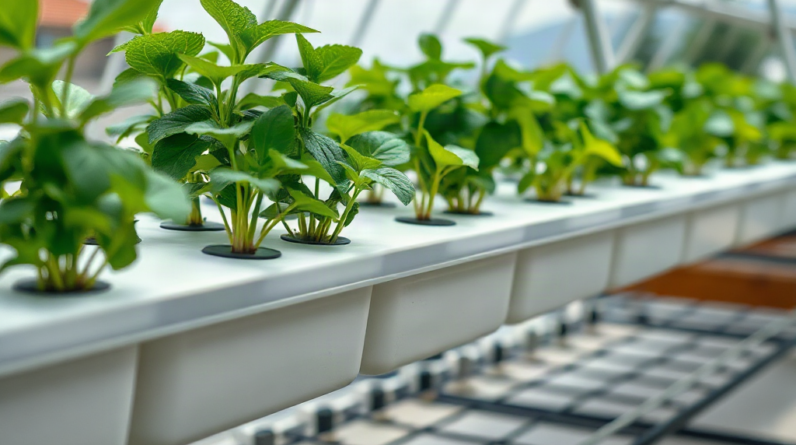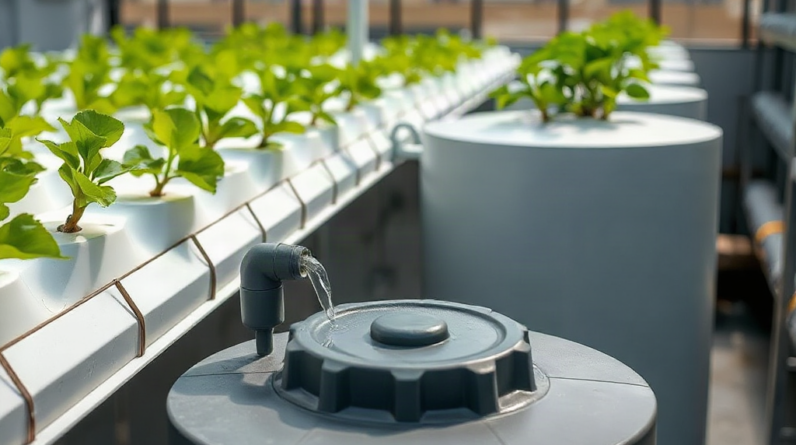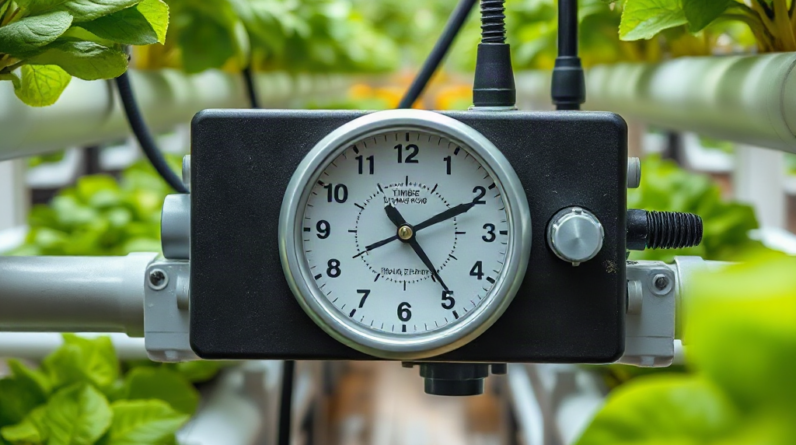
Hydroponic herbs often die due to nutrient imbalances, insufficient light, and poor water quality. To prevent these issues, regularly test and adjust your nutrient solution, ensuring it contains all essential elements in proper ratios. Providing adequate light is also vital; different herbs have varying light requirements, so using full-spectrum LED grow lights can help meet these needs. Additionally, maintaining clean water is crucial for plant health, as contaminants can hinder growth. By addressing these factors early, you can significantly enhance the longevity and vitality of your hydroponic herbs.
Nutrient Imbalances
Nutrient imbalances are one of the primary reasons hydroponic herbs die. In a hydroponic system, plants rely entirely on nutrient solutions for their growth. If the nutrient mix is too concentrated or lacks essential elements, it can lead to nutrient burn or deficiencies. For example, an excess of nitrogen can cause lush foliage but stunted root development. Conversely, a lack of potassium can lead to weak stems and poor fruiting.
To prevent these issues, regularly test the nutrient solution using a TDS (total dissolved solids) meter and adjust accordingly. It’s essential to follow a balanced feeding schedule, ensuring that all macro and micronutrients are provided in adequate amounts. Monitoring pH levels is equally important, as it affects nutrient availability. Aim for a pH between 5.5 and 6.5 for optimal nutrient uptake.
Inadequate Light Conditions
Light is crucial for the photosynthesis process, and inadequate lighting can severely impact the health of hydroponic herbs. Insufficient light can lead to leggy plants, reduced growth rates, and ultimately death. Each herb type has different light requirements; for instance, basil thrives under bright light, while mint can tolerate lower light levels.
To ensure your herbs receive adequate light, consider using full-spectrum LED grow lights, which provide the necessary wavelengths for plant growth. Position the lights at the correct distance to avoid burning the plants while ensuring they receive enough intensity. A general rule is to provide 12 to 16 hours of light per day, adjusting based on the specific needs of each herb.
Water Quality Issues
Water quality is a critical factor in hydroponic gardening. Contaminated or poor-quality water can introduce pathogens and toxins that harm plants. Additionally, hard water with high mineral content can lead to scale buildup in systems and affect nutrient absorption.
To maintain optimal water quality, use filtered or distilled water whenever possible. Regularly change the nutrient solution every two weeks to prevent stagnation and buildup of harmful substances. Implementing a filtration system can also help keep the water clean and safe for your herbs.
Pest and Disease Management
Pests and diseases can quickly decimate a hydroponic herb garden. Common pests like aphids, spider mites, and whiteflies can thrive in the warm, humid conditions of a hydroponic setup. Diseases such as root rot and powdery mildew can also occur if humidity and water levels aren’t properly managed.
To combat these issues, regularly inspect your plants for signs of infestation or disease. Introducing beneficial insects like ladybugs can help control pest populations naturally. Additionally, practicing good hygiene by cleaning equipment and sterilizing tools can prevent the spread of pathogens. Implementing a rotation of crops and avoiding overcrowding can also reduce the risk of disease.
Frequently Asked Questions
What are the signs of nutrient deficiency in hydroponic herbs?
Signs include yellowing leaves, stunted growth, and poor fruiting. Each deficiency has specific symptoms, so identifying the nutrient involved can help in correcting the issue.
How often should I change the nutrient solution?
It is recommended to change the nutrient solution every two weeks to prevent buildup of salts and maintain optimal nutrient levels.
Can I use tap water for hydroponics?
While tap water is possible, it is better to use filtered or distilled water to avoid contaminants and excess minerals that can harm plants.
What light spectrum is best for growing herbs hydroponically?
A full-spectrum light that includes both blue and red wavelengths is ideal for promoting healthy growth and flowering in hydroponic herbs.
How can I prevent pests in my hydroponic garden?
Regular inspections, maintaining cleanliness, and introducing beneficial insects can help prevent pest infestations in hydroponic systems.
Further Reading
Authoritative Sources
- USDA National Institute of Food and Agriculture
nifa.usda.govResearch and extension resources related to agriculture, plants, soil, and food systems
- Extension Foundation Gardening Resources
extension.orgUniversity extension education resources for practical gardening and home agriculture topics
- USDA Natural Resources Conservation Service
nrcs.usda.govSoil, water, conservation, and land management resources for practical growing decisions
Related Content
- Troubleshooting Inconsistent Growth in Hydroponic Systems: Key Causes and Solutions
- The Ultimate Guide to hydroponic root system: 10 Effective Strategies for 2025
- Why Are My Hydroponic Seeds Not Germinating?
- How to Keep Hydroponic Plants Healthy in Winter: Essential Strategies for Optimal Growth
- Hydroponic Garden Yield Tips: Essential Practices for Maximizing Harvests