
-
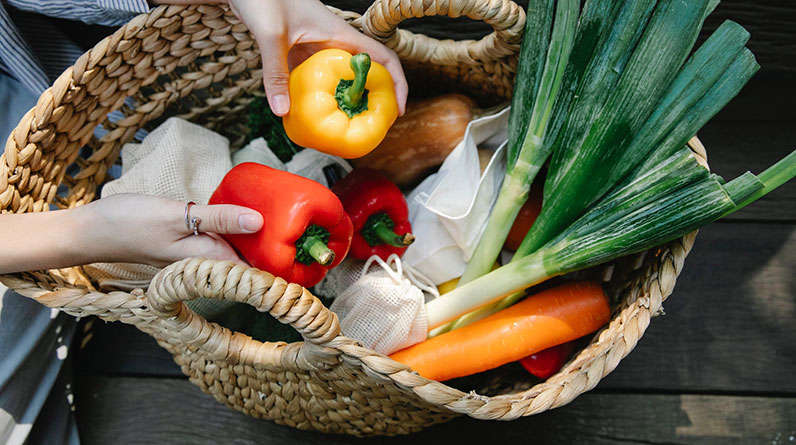
Harvesting and Storing Hydroponic Produce Hydroponic agriculture offers several advantages over soil-grown crops. For one thing, hydroponic systems don’t need soil-based nutrient solutions or pesticides and herbicides like their soil…
Continue Reading » -
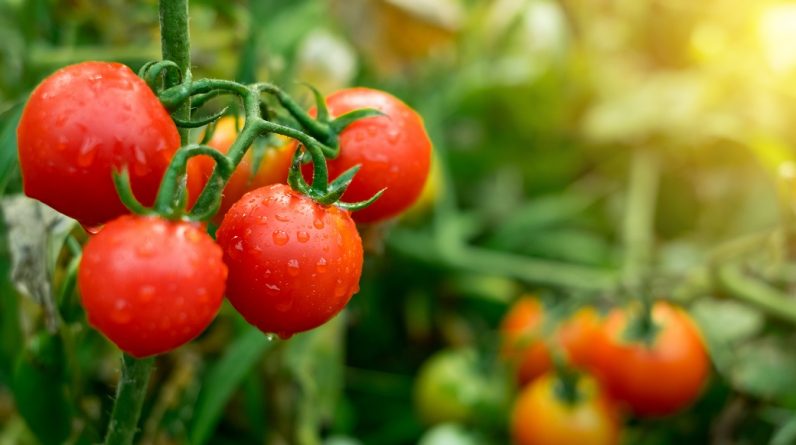
Why Grow Tomatoes in a Hydroponic Garden? Tomatoes are an excellent plant to grow in hydroponic garden because they are one of the most popular and widely consumed vegetables…
Continue Reading » -
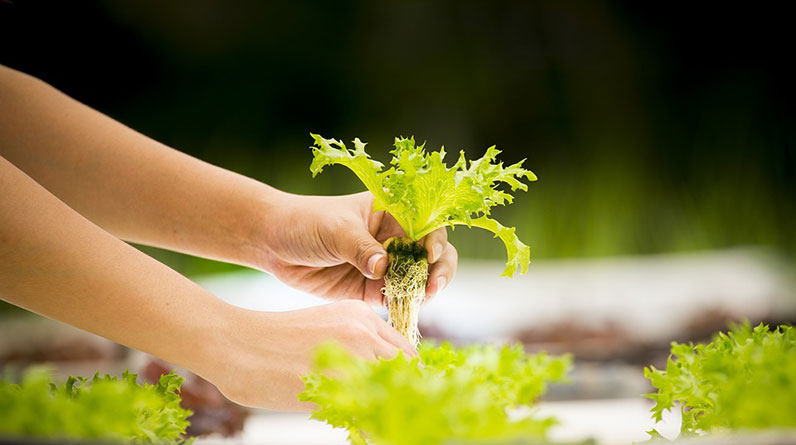
Can I build my own Hydroponic Gardening System? Yes, you can definitely build your own hydroponic gardening system. Hydroponic gardening is a method of growing plants in a nutrient-rich water…
Continue Reading » -
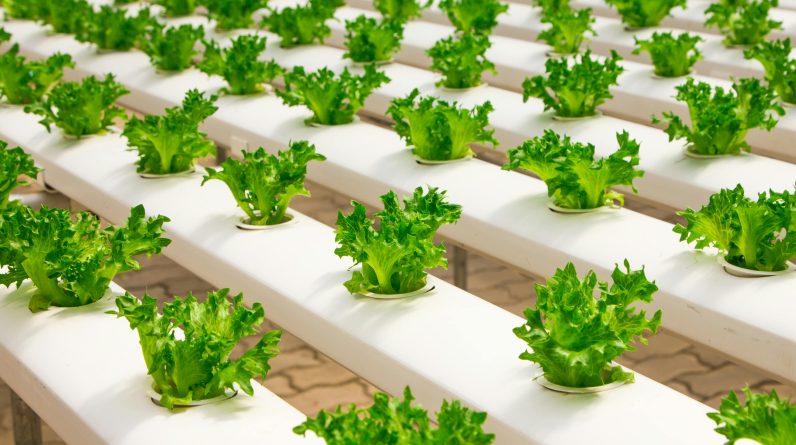
Discover why hydroponic leafy greens are superior to soil-grown varieties. Learn about the benefits and advantages of hydroponic systems for cultivating fresh produce.
Continue Reading »

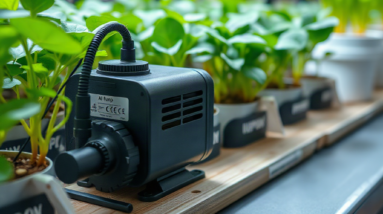
Air Pump Sizing for Hydroponic Root Oxygenation by Water Volume, Depth, and Airflow
Size an air pump for hydroponic root oxygenation by matching delivered airflow—not merely the pump’s advertised output—to reservoir volume, water depth, diffuser resistance, and root demand. A practical starting range for deep-water culture is roughly 0.5 to 1 liter of air per minute for each gallon of nutrient solution, with…
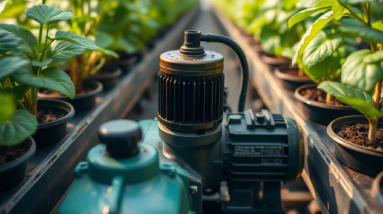
Pump Vibration Correction in Hydroponic Systems: Which Causes Should You Fix First?
Pump vibration correction in hydroponic systems should begin by isolating the pump from rigid surfaces, checking for restricted flow or trapped air, and confirming that the impeller and housing are clean and undamaged. A soft rubber mounting pad can stop normal motor vibration from resonating through a reservoir, shelf, or…
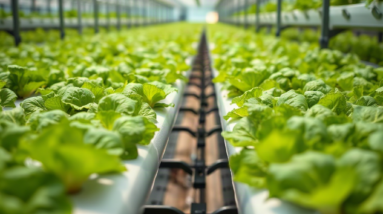
Leafy Green Channel Spacing in Hydroponic Systems—Crop Sizes and Layout Mistakes
Leafy green channel spacing in hydroponic systems should be based on the mature canopy, not the seedling footprint: compact baby-leaf crops may fit 10–15 cm apart, while full-size lettuce often needs 20–30 cm and broad varieties may require more.
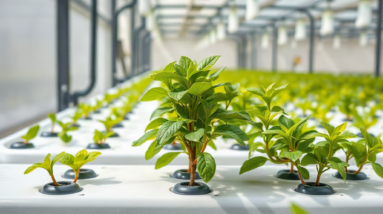
Reservoir Capacity Calculations by Hydroponic Plant Count: Sizing Formula and Crop Examples
Calculate reservoir capacity by multiplying the number of hydroponic plants by a crop-appropriate water allowance, then increase that result by 20% to 30% for operating reserve. Small leafy greens often need less solution volume per plant than fruiting crops, while mature tomatoes, cucumbers, and peppers create higher daily water demand and faster EC changes.
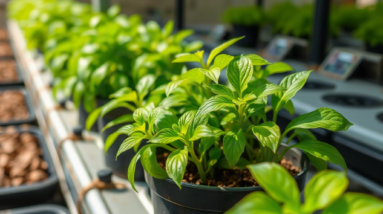
Net Pot Sizing for Mature Hydroponic Crops: Diameter Choices by Plant Type
Net pot sizing for mature hydroponic crops should match the plant’s eventual root crown, stem load, growing medium, and required access for cleaning or transplanting—not merely the seedling’s current size. Two-inch pots generally suit compact greens and herbs, while three- to four-inch pots provide more support for larger lettuce, basil, strawberries, and similar plants.
Perlite Use in Hydroponic Flood Systems—Bed Depth, Flood Timing, and Drainage Mistakes
Explore perlite use in hydroponic flood systems through how perlite behaves during flood, including practical limits and conditions that change the outcome.
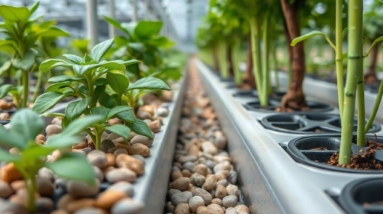
Clay Pebbles Versus Coco Coir for Hydroponic Growing: Irrigation, Root Health, and Reuse
Clay pebbles versus coco coir for hydroponic growing is primarily a choice between rapid drainage and dependable moisture retention. Clay pebbles provide high root-zone aeration, resist compaction, and suit frequent recirculating irrigation, while coco coir holds more water and buffers short gaps between feedings.
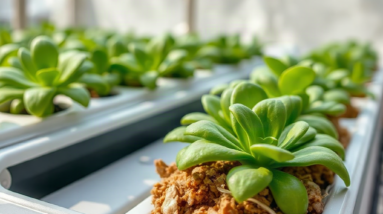
Moisture Retention Comparison Among Hydroponic Media: What Works for Drip, Wick, and Flood Cycles
Moisture retention among hydroponic media ranges from high in rockwool, coco coir, and peat-based plugs to low in expanded clay pebbles and coarse perlite, but the best choice depends on irrigation method rather than capacity alone.
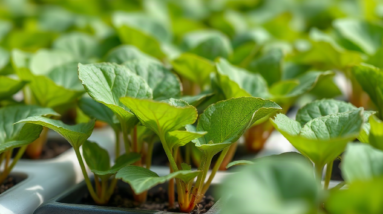
Iron Deficiency Correction on Young Hydroponic Leaves: Is pH or Chelated Iron the Better Fix?
Correct iron deficiency on young hydroponic leaves by checking root-zone pH first, then confirming nutrient strength and adding a compatible chelated iron only when the reservoir cannot supply enough available iron. New growth typically turns pale between green veins because high pH, damaged roots, precipitation, or an unsuitable chelate prevents iron uptake.
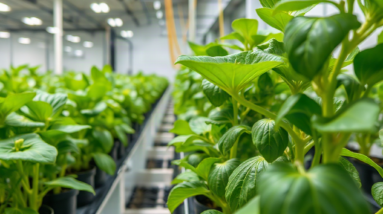
Magnesium Deficiency Correction on Older Hydroponic Leaves With a Measured Epsom Salt Adjustment
Correct magnesium deficiency on older hydroponic leaves by first confirming interveinal chlorosis, checking root-zone pH and EC, and then making a measured magnesium sulfate adjustment rather than blindly increasing the entire nutrient formula. Magnesium is mobile within plants, so shortages usually appear first as yellowing between green veins on mature…