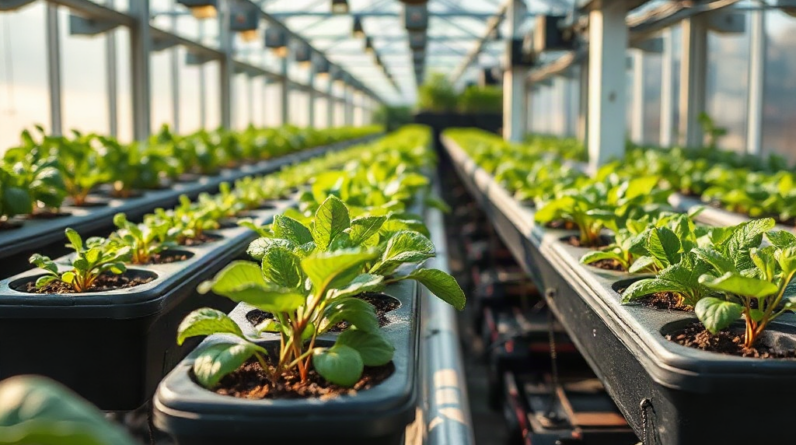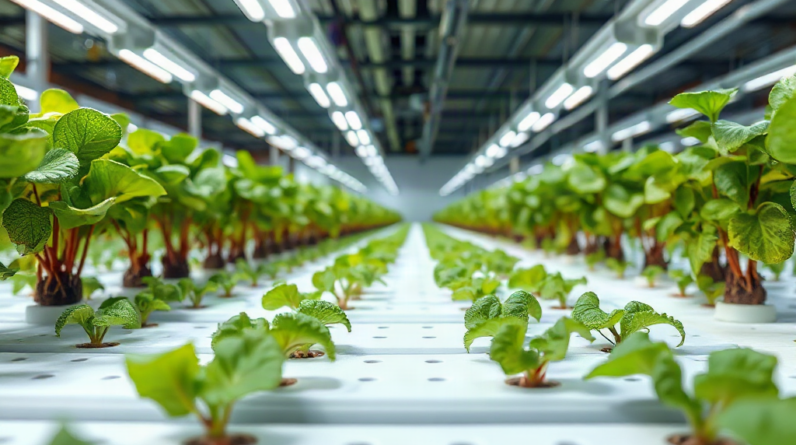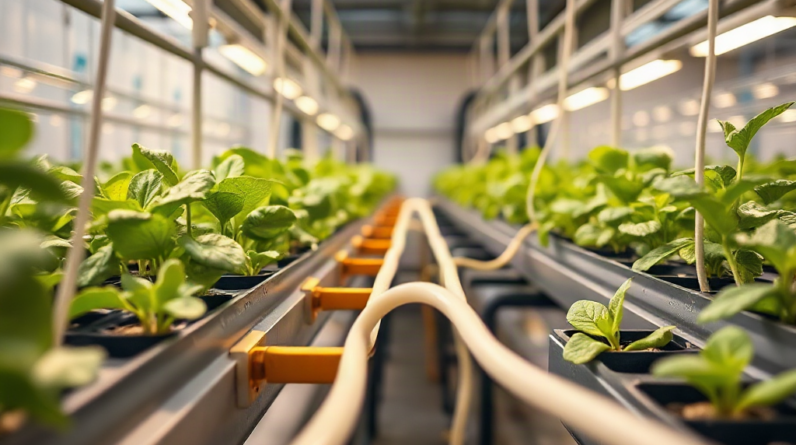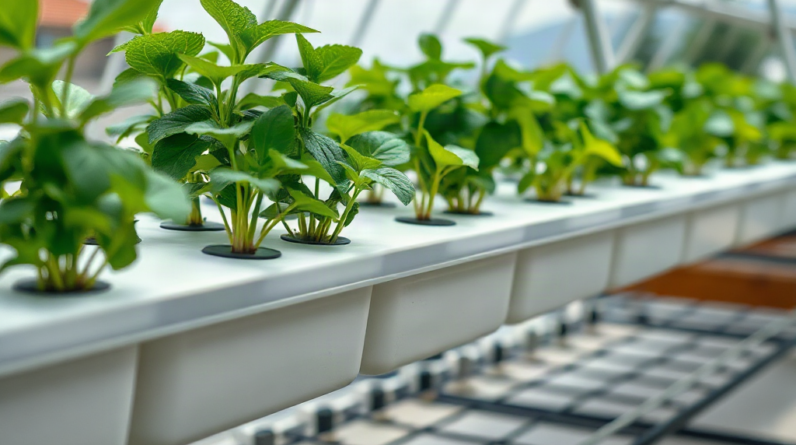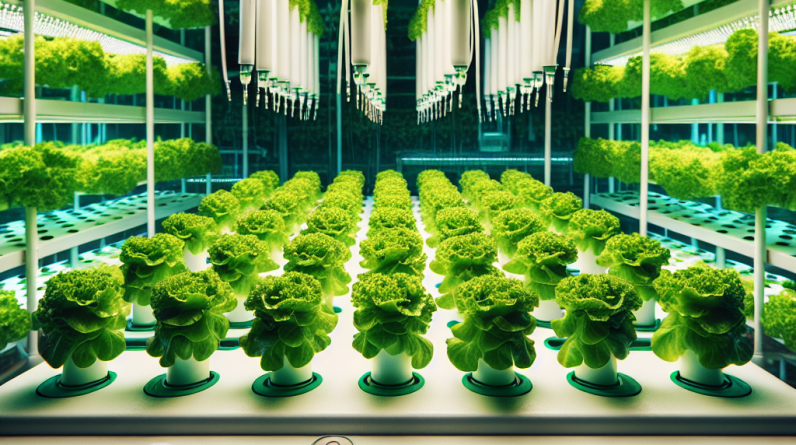
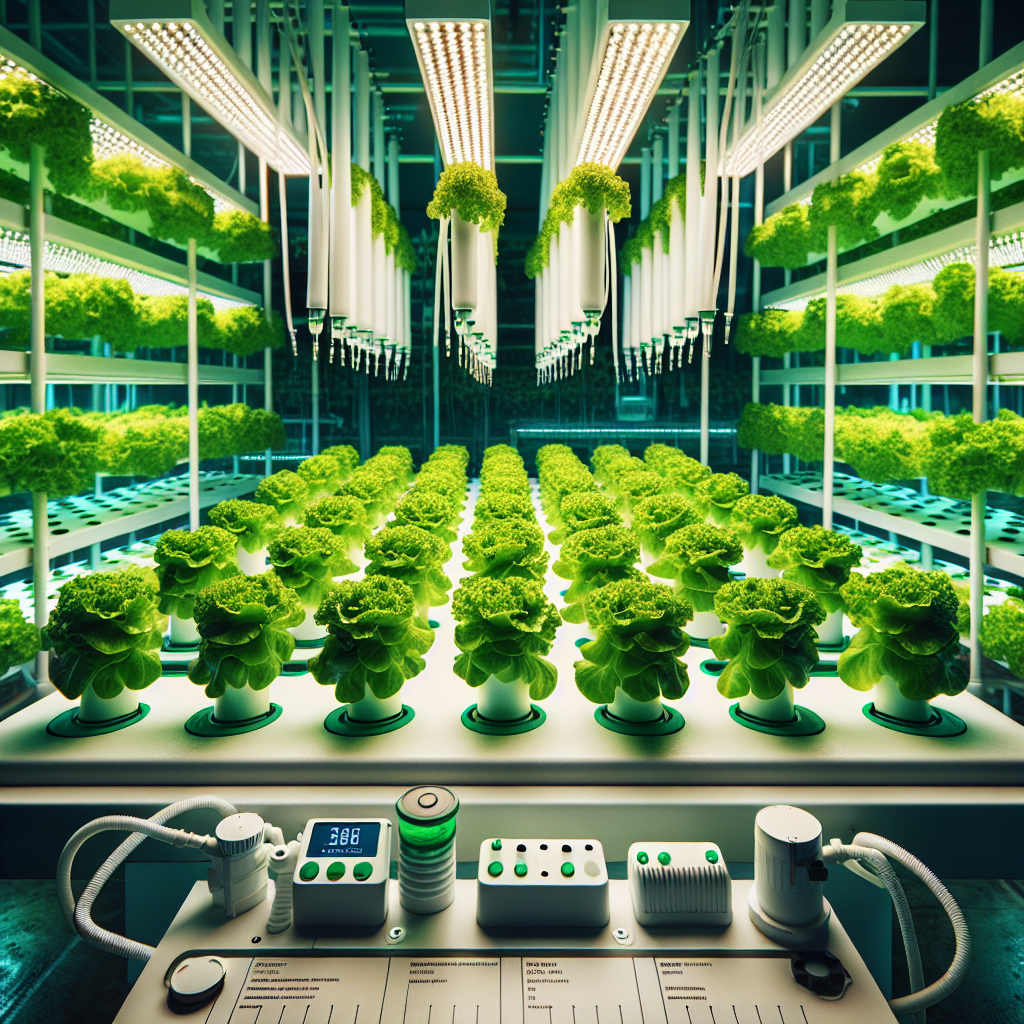
Understanding the components of hydroponic automation is crucial for maximizing productivity. Automated systems can help mitigate common issues such as nutrient imbalances and improper watering, which are often the result of manual management. By investing in automation, growers can ensure consistent conditions that promote healthy plant development, ultimately leading to higher yields and reduced operational stress.
Many beginners underestimate the importance of monitoring environmental factors such as humidity, temperature, and nutrient concentration. Neglecting these elements can lead to poor growth and crop failure. Therefore, integrating automated sensors and controls into a hydroponic system is essential for maintaining optimal conditions and achieving successful cultivation.
Key Components of Hydroponic Automation
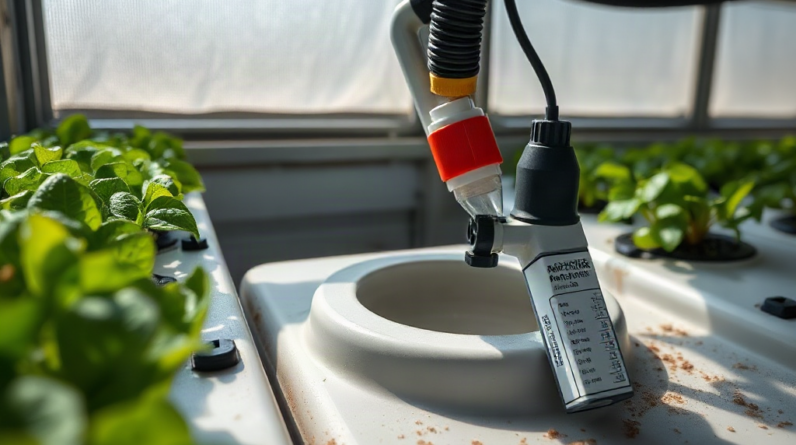
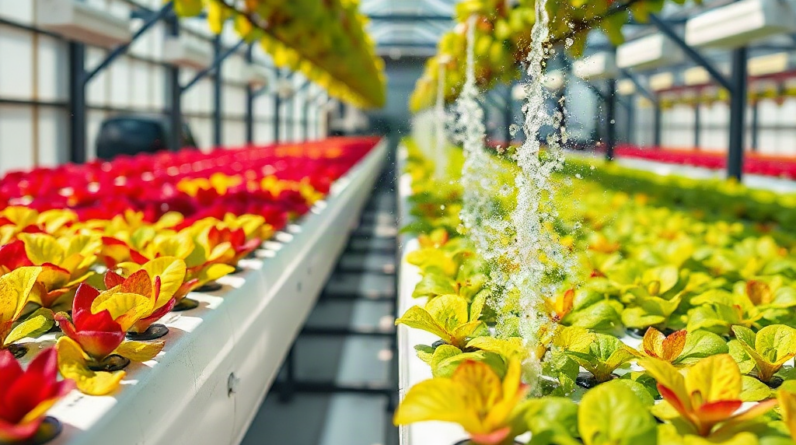
Key components of hydroponic automation include nutrient delivery systems, environmental sensors, and automated lighting. Nutrient delivery systems, such as drip irrigation and nutrient film techniques, ensure that plants receive the necessary nutrients without manual intervention. Environmental sensors monitor temperature, humidity, and light levels, providing real-time data that can trigger adjustments in the system.
Integrating these components creates a seamless environment where plants can thrive. For instance, automated lighting systems can adjust based on the time of day or plant growth stage, ensuring optimal light exposure. This not only improves growth rates but also conserves energy by only using power when needed.
It’s important to ensure that all components of the system are compatible and can communicate effectively. This prevents issues such as nutrient lockout or environmental fluctuations that can harm plant health. Regular maintenance and updates to the system software can also enhance performance and longevity.
Benefits of Automation in Hydroponic Gardening
The primary benefits of hydroponic garden automation include increased efficiency, reduced labor costs, and improved crop yields. By automating repetitive tasks, growers can focus on more strategic aspects of their operation, such as crop selection and market planning.
Additionally, automated systems can provide precise control over nutrient delivery and environmental conditions, leading to more consistent and higher-quality crops. This precision helps prevent common issues such as overwatering or nutrient deficiencies, which can drastically affect yield.
However, the initial investment in automation technology can be significant. Growers should weigh the long-term savings and benefits against the upfront costs. the increase in yield and reduction in labor can justify the expense, making automation a worthwhile investment in the future of hydroponic gardening.
Common Mistakes in Hydroponic Automation
One common mistake in hydroponic automation is underestimating the complexity of system integration. Many growers assume that purchasing various automated components will lead to a fully functional system. However, without proper integration, components may not work together effectively, leading to failures or inefficiencies.
Another pitfall is neglecting regular maintenance and calibration of automated systems. Sensors can drift over time, leading to inaccurate readings and poor plant conditions. Establishing a routine for checking and maintaining equipment can prevent these issues and ensure optimal performance.
Growers should also be cautious about relying solely on automation without understanding the underlying principles of hydroponics. A lack of foundational knowledge can lead to mismanagement of the system, resulting in crop failures even with advanced technology in place. Continuous education and adaptation are key to success.
Choosing the Right Automation Technology
Selecting the right automation technology for hydroponic gardening involves evaluating the specific needs of the grower and the crops being cultivated. Factors such as system size, crop type, and budget should all be considered when making a decision.
There are many options available, ranging from simple timers for lights and pumps to sophisticated systems with full environmental monitoring and control capabilities. Growers should assess their current operations and future goals to determine the most appropriate level of automation.
It’s also beneficial to research and compare different products and brands, as not all technologies are created equal. Reading reviews and seeking recommendations from experienced growers can provide insights into the best solutions for specific needs.
Further Reading
Authoritative Sources
- Hydroponics: A Beginner's Guide
hydroponics.comThis resource offers comprehensive insights into hydroponic systems and best practices for automation
- Automating Your Hydroponic Garden
abc.comA detailed overview of various automation technologies and their applications in hydroponics
- Gardening Know How: Hydroponics
gardeningknowhow.comProvides practical advice and troubleshooting tips for hydroponic gardening, including automation
Frequently Asked Questions
What is hydroponic garden automation?
Hydroponic garden automation involves using technology to manage and optimize plant growth in a soil-free environment, enhancing efficiency and yield.
What are the main benefits of automating a hydroponic garden?
Benefits include increased efficiency, reduced labor costs, improved crop quality, and higher yields through precise control of growing conditions.
What common mistakes should I avoid in hydroponic automation?
Common mistakes include neglecting system integration, failing to maintain equipment, and lacking foundational hydroponic knowledge.
How do I choose the right automation technology for my hydroponic garden?
Evaluate your specific needs, such as crop type and budget, and compare different products to find the best fit for your operation.
Is hydroponic garden automation worth the investment?
Yes, while the initial costs can be high, the long-term benefits in efficiency and yield often justify the investment in automation technology.
Conclusion
Incorporating automation into hydroponic gardening can significantly enhance productivity and efficiency. By understanding the key components, recognizing the benefits, and avoiding common pitfalls, growers can create a system that not only meets their needs but also supports the health and growth of their plants. As technology continues to evolve, staying informed about the latest advancements will help ensure that your hydroponic garden remains competitive and productive. Prioritize research and continuous learning to maximize your gardening success.