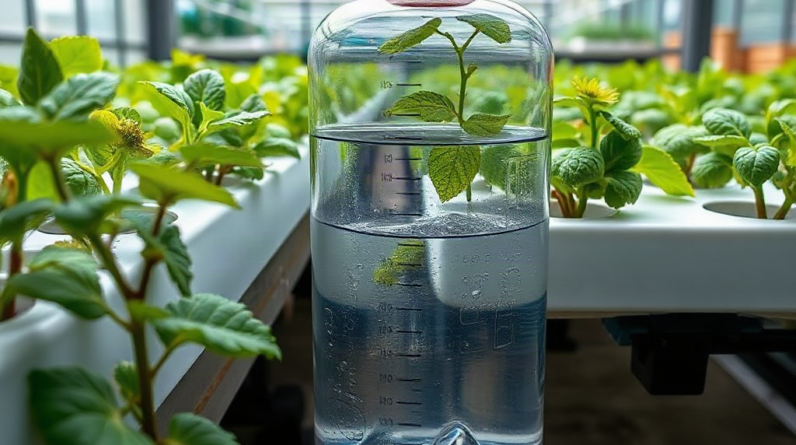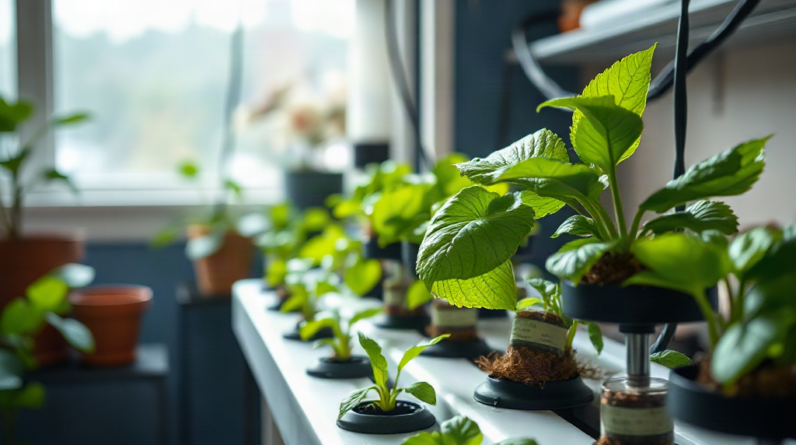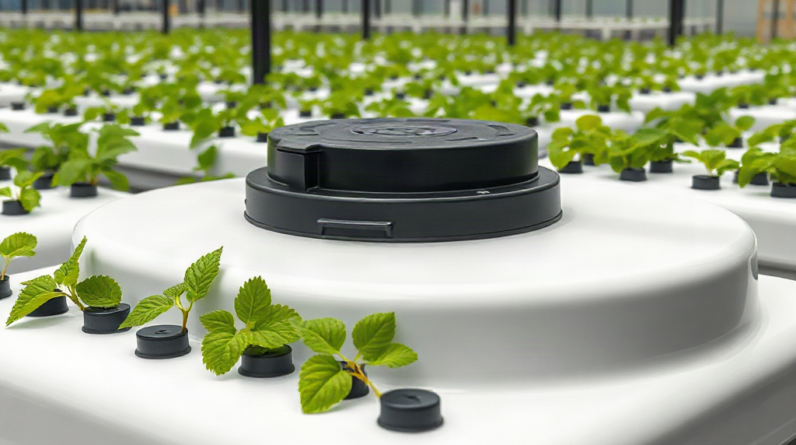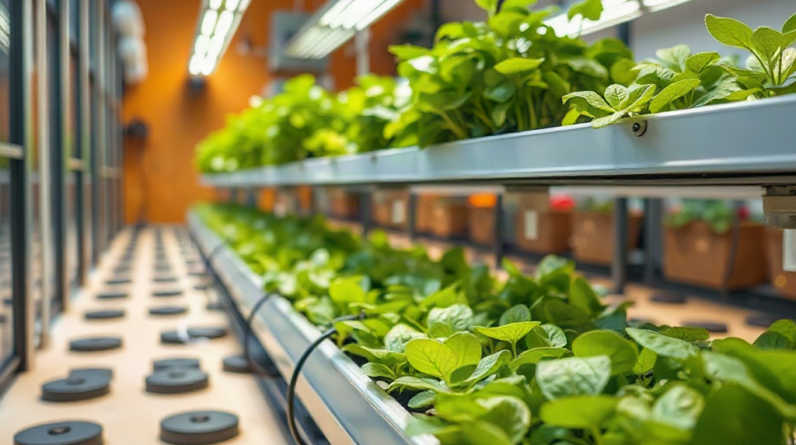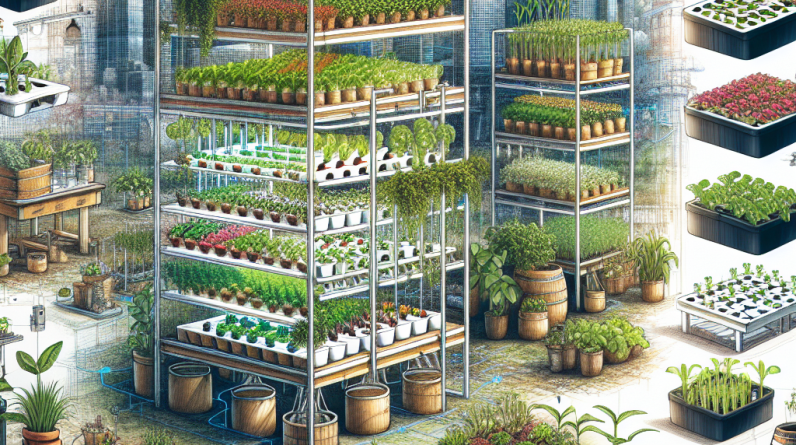

To achieve optimal results in hydroponic gardening, the key practices that maximize both yield and plant health. These practices revolve around managing nutrient solutions, light exposure, and environmental conditions effectively. Hydroponics allows for precise control over growing conditions, making it easier to prevent issues such as nutrient deficiencies or diseases that can hinder plant growth.
One of the most critical aspects of hydroponic gardening is the nutrient solution. Plants grown hydroponically rely entirely on the nutrients dissolved in the water, so it is vital to maintain the proper balance of macronutrients and micronutrients. Regular monitoring of the pH level and electrical conductivity (EC) of the nutrient solution can prevent common pitfalls, such as nutrient lockout, where plants cannot absorb essential nutrients due to imbalanced pH levels.
Understanding Nutrient Solutions
To create a thriving hydroponic system, understanding nutrient solutions is paramount. Nutrient solutions are typically composed of essential elements such as nitrogen, phosphorus, potassium, calcium, and magnesium, along with trace elements like iron and manganese. Each crop has specific nutrient requirements, and correctly formulating these solutions can significantly impact plant growth.
It is advisable to use a hydroponic nutrient mix specifically designed for the type of plants you are growing. Additionally, conducting regular tests of your nutrient solution for pH and EC will ensure that plants receive the necessary nutrients. A pH of 5.5 to 6.5 is generally ideal for most plants, while the EC should be adjusted based on the growth stage of the plants.
Light Requirements for Hydroponic Plants
Light plays a crucial role in hydroponic gardening, as plants require adequate light for photosynthesis. The type and intensity of light will vary depending on the crops being grown. For instance, leafy greens may require less light than fruiting plants.
Using grow lights can help control light exposure effectively. LED grow lights are popular due to their energy efficiency and ability to provide the full spectrum of light needed for plant growth. Ensure that plants receive about 12 to 16 hours of light per day, adjusting the duration based on the specific light needs of your plants.
Environmental Control in Hydroponics
Controlling the environment in which your hydroponic system operates is vital for plant health. Factors such as temperature, humidity, and air circulation can all influence plant growth. Most plants thrive in temperatures between 70°F and 75°F during the day and slightly cooler at night.
Maintaining optimal humidity levels is also important, as high humidity can lead to mold and disease, while low humidity can cause stress to plants. Implementing fans for air circulation and using dehumidifiers or humidifiers can help maintain the ideal environment for your hydroponic garden.
Common Mistakes to Avoid
While hydroponic gardening offers numerous benefits, there are common mistakes that many beginners make. Over-fertilization is one of the most frequent issues, leading to nutrient burn and poor plant health. Always follow the recommended dosage on nutrient labels and adjust based on plant response.
Another common mistake is neglecting to monitor environmental conditions. Regularly checking temperature, humidity, and nutrient levels can prevent many problems. It’s also essential to ensure that your hydroponic system is clean and well-maintained to avoid diseases.
For those looking to delve deeper into hydroponic gardening, consider exploring reputable sources that provide in-depth research and practical advice. Organizations such as the Hydroponics Society offer valuable resources for both beginners and experienced gardeners.
Frequently Asked Questions
What is the best nutrient solution for hydroponics?
The best nutrient solution varies by crop, but a balanced hydroponic nutrient mix designed for your specific plants is recommended.
How often should I change my hydroponic nutrient solution?
It is advisable to change the nutrient solution every two to three weeks to prevent nutrient imbalances and ensure optimal plant health.
What type of light is best for hydroponic plants?
LED grow lights are often considered the best for hydroponics due to their energy efficiency and ability to provide the full light spectrum.
Can I use tap water for hydroponics?
Tap water can be used, but it’s essential to test its pH and EC levels, as high chlorine or hard water can negatively affect plant growth.
What are the most common issues faced in hydroponics?
Common issues include nutrient deficiencies, pH imbalances, and environmental factors such as temperature and humidity fluctuations.
Conclusion
Hydroponic gardening offers a unique opportunity to grow plants without soil, but success requires careful management of several factors. Prioritizing nutrient solutions, light exposure, and environmental control will lead to healthier plants and higher yields. Avoiding common mistakes, such as over-fertilization and neglecting environmental conditions, will further enhance your hydroponic gardening experience. By applying these hydroponic growing tips, gardeners can cultivate thriving plants year-round.
Related Content
- What Can I Do If My Seeds Don’t Germinate?
- Identifying Unsafe Plastics in Hydroponics Through Labels, Exposure, and Replacement Decisions
- Issues With Hydroponic Vegetable Shelf Life (Causes, Timing, And Storage Fixes)
- Managing Nutrient Solution Recycling Effectively With Monitoring, Treatment, and Reset Timing
- Indoor Hydroponic Garden Review