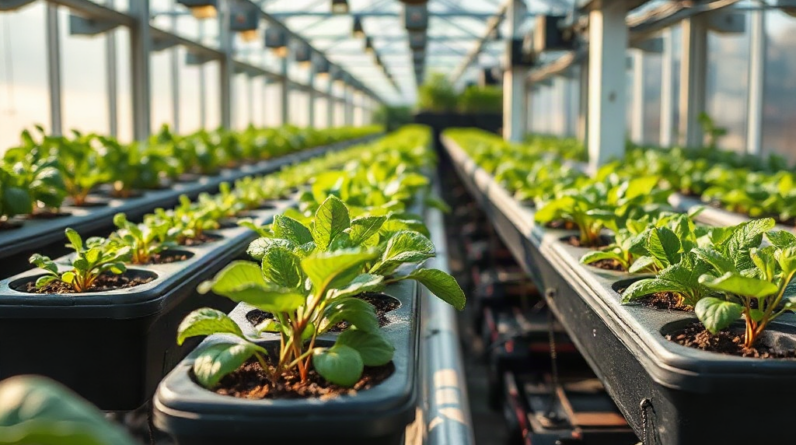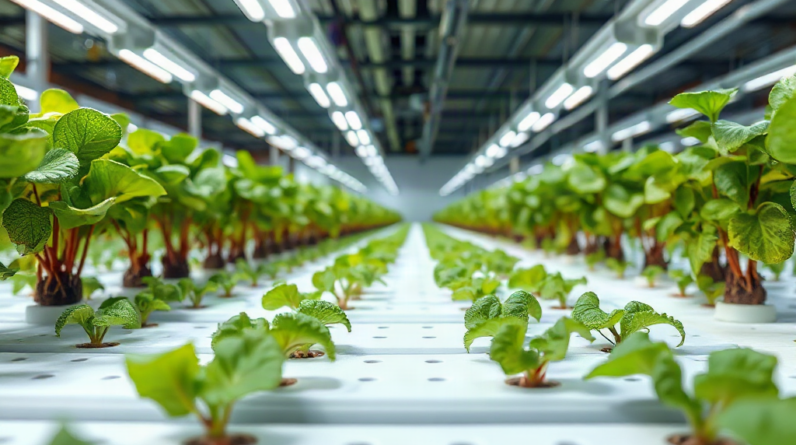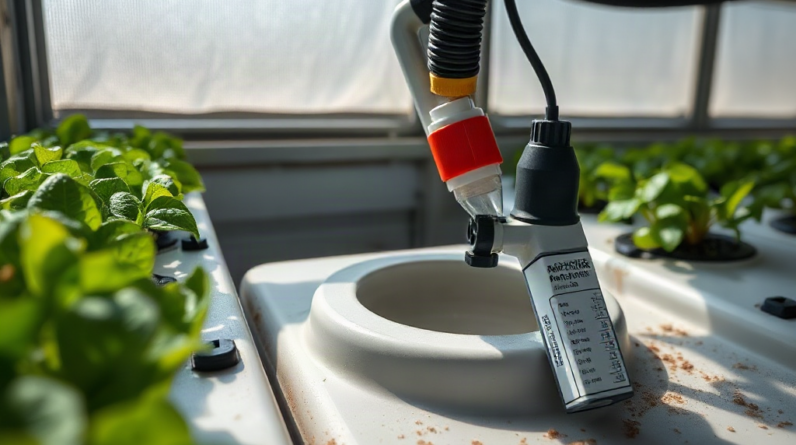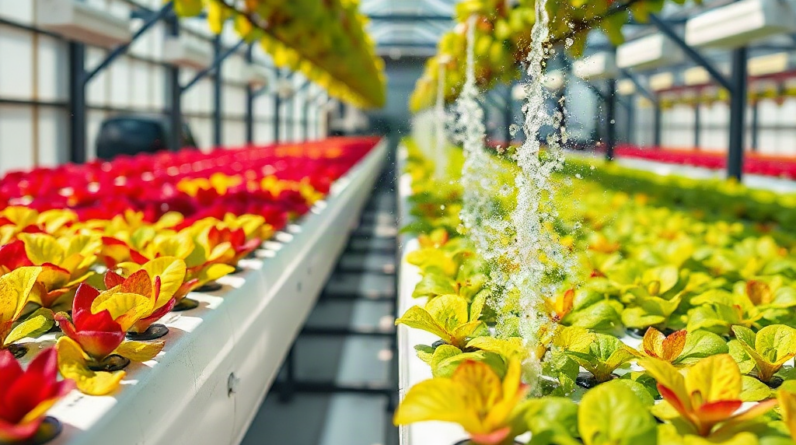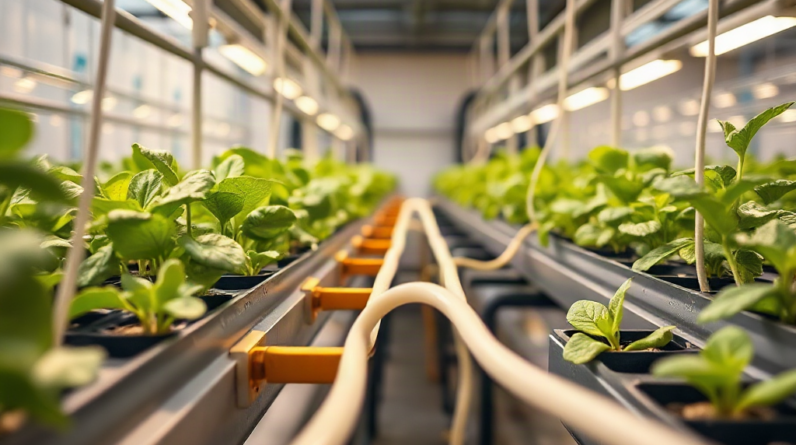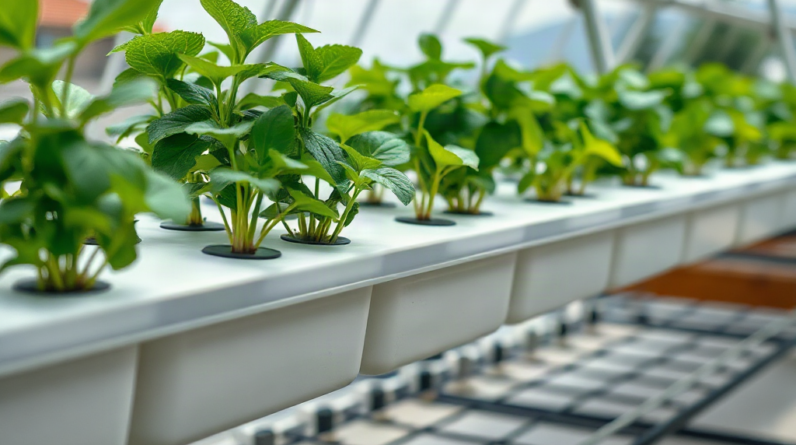
A hydroponic salad garden is an innovative method of growing leafy greens using a nutrient-rich water solution instead of traditional soil. This technique allows for faster growth rates, more efficient use of space, and the ability to cultivate fresh produce year-round, making it an attractive option for home gardeners and commercial growers alike. To successfully establish a hydroponic salad garden, the requirements for lighting, nutrient management, and environmental conditions.
One of the most critical aspects of a hydroponic salad garden is maintaining the right balance of nutrients in the water. Plants absorb nutrients directly from the water, so any imbalance can lead to deficiencies or toxicities that affect growth and yield. Regularly testing and adjusting pH levels, typically between 5.5 and 6.5, is vital for optimal nutrient uptake. Furthermore, ensuring adequate light exposure—ideally 12-16 hours per day—is crucial for photosynthesis and healthy plant development.
Choosing the Right Hydroponic System
There are several types of hydroponic systems available, including nutrient film technique (NFT), deep water culture (DWC), and aeroponics. Each system has its advantages and disadvantages depending on your available space, budget, and desired crop yields. For beginners, a DWC system may be the most straightforward option, as it allows for easy monitoring of nutrient levels and is relatively low-maintenance.
When selecting a hydroponic system, consider factors such as the size of your garden, the types of greens you wish to grow, and your experience level. Researching different systems can help you make an informed decision that aligns with your gardening goals.
Essential Nutrients for Leafy Greens
Leafy greens require a balanced mix of essential nutrients to thrive, including nitrogen, phosphorus, potassium, calcium, magnesium, and trace elements like iron and manganese. These nutrients support various aspects of plant growth, from root development to chlorophyll production. A complete hydroponic nutrient solution designed specifically for leafy greens can simplify the process.
Regularly monitoring nutrient levels and adjusting them as needed will help prevent deficiencies. Signs of nutrient deficiency can include yellowing leaves, stunted growth, and poor overall health. Keeping a close eye on your plants and being proactive in nutrient management is key to a successful hydroponic salad garden.
Maintaining Optimal Growing Conditions
In addition to nutrients, environmental conditions play a significant role in the success of your hydroponic salad garden. Temperature, humidity, and light are crucial factors that must be carefully managed. Ideally, leafy greens thrive in temperatures between 65°F and 75°F (18°C to 24°C) and humidity levels of around 50-70%.
Using grow lights can help supplement natural sunlight, especially during the winter months or in low-light conditions. Additionally, ensuring proper airflow and ventilation can prevent mold growth and promote healthy plant development. Regularly checking your system’s environmental conditions will help you make any necessary adjustments to keep your plants happy.
Common Mistakes to Avoid
Many new hydroponic gardeners make mistakes that can hinder their success. One common error is not monitoring pH and nutrient levels frequently enough, leading to imbalances that can harm plant growth. Another mistake is overwatering or under-watering, which can lead to root rot or nutrient lockout.
Additionally, neglecting to clean equipment and maintain the hydroponic system can result in the buildup of harmful pathogens. Regular maintenance and careful observation of your plants will help you identify any issues early on and ensure a successful harvest.
For readers interested in diving deeper into hydroponic gardening, various resources provide valuable insights into techniques, systems, and best practices. Consider checking out local gardening clubs or online forums where experienced hydroponic gardeners share their knowledge and experiences.
Frequently Asked Questions
What types of leafy greens can I grow in a hydroponic salad garden?
You can grow a variety of leafy greens, including lettuce, spinach, kale, and arugula, which are all well-suited for hydroponic systems.
How often should I change the water in my hydroponic system?
It is recommended to change the water every two weeks to maintain nutrient levels and prevent algae growth.
Can I use tap water for my hydroponic garden?
Yes, you can use tap water, but it’s essential to test the water for chlorine and pH levels, as these can affect plant growth.
What is the best light source for a hydroponic salad garden?
LED grow lights are highly recommended as they provide efficient light for photosynthesis while producing less heat compared to traditional grow lights.
How long does it take to grow leafy greens hydroponically?
Most leafy greens can be harvested within 4-6 weeks after planting, depending on the specific variety and growing conditions.
Conclusion
Establishing a hydroponic salad garden can be a rewarding experience, providing fresh produce year-round. To succeed, prioritize maintaining balanced nutrient levels, monitoring environmental conditions, and avoiding common mistakes. By choosing the right hydroponic system and staying proactive in your garden management, you can enjoy a bountiful harvest of delicious leafy greens.