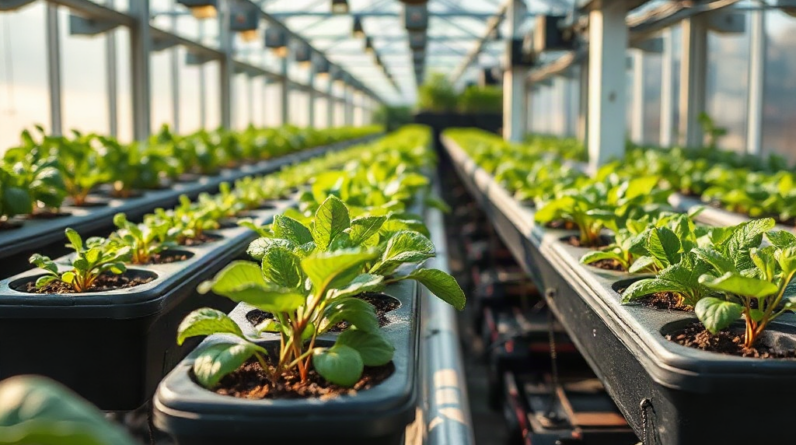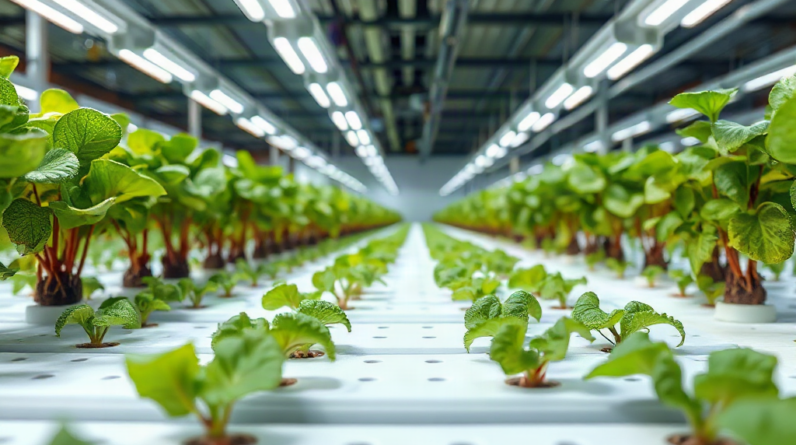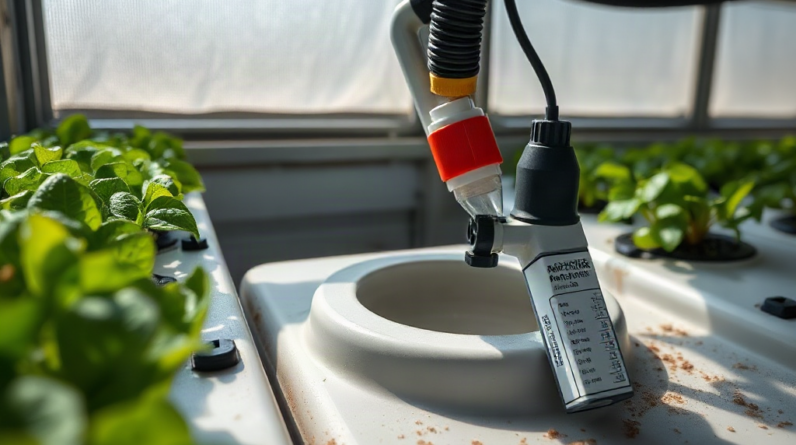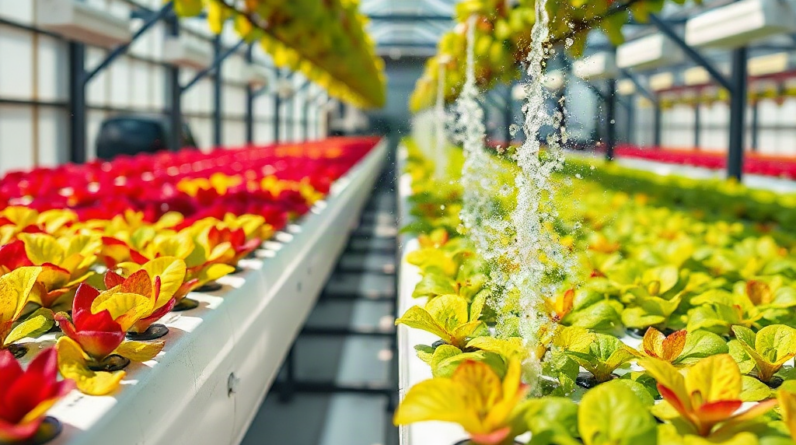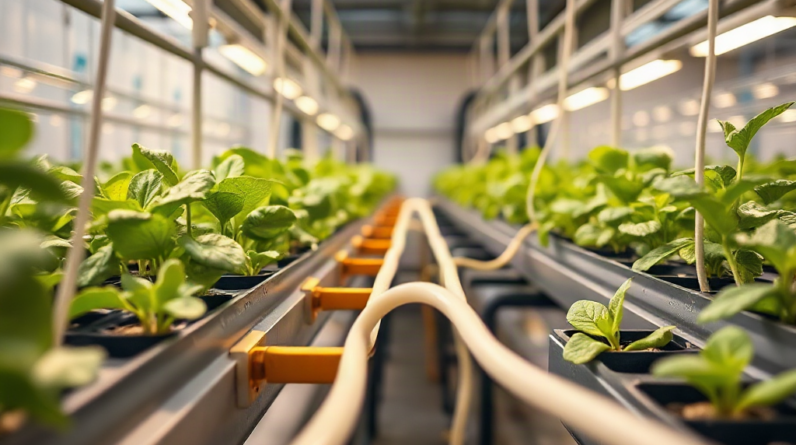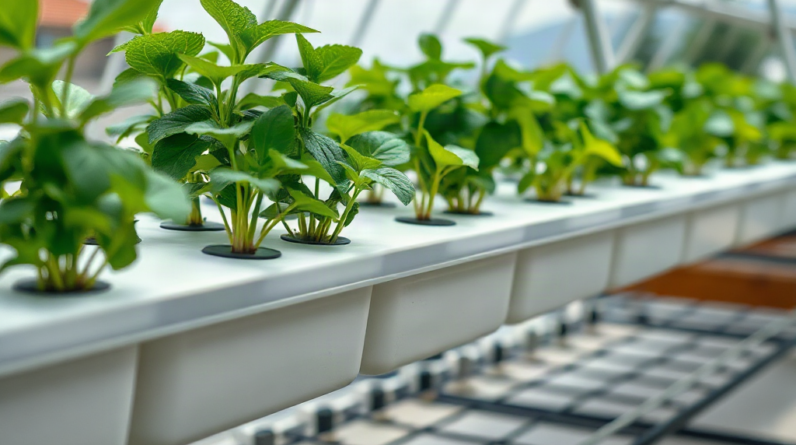

A hydroponic water pump setup requires careful selection of equipment and installation to ensure effective water circulation and nutrient delivery to plants. The primary components include a water pump, tubing, reservoir, and sometimes a timer to automate the watering schedule. Proper installation ensures that the pump operates efficiently, providing the necessary water flow for plant growth.
When setting up your hydroponic water pump, the first step is to choose a pump that matches your system’s requirements. Consider the flow rate, which should be adequate to deliver water to all plants without overloading the system. Additionally, assess the pump’s compatibility with your hydroponic setup, whether it be deep water culture, nutrient film technique, or another method. It’s essential to avoid common pitfalls, such as selecting a pump that is too weak or too powerful, as this can lead to insufficient water delivery or nutrient runoff, respectively.
Choosing the Right Pump
Selecting the appropriate pump for your hydroponic system is crucial for maintaining optimal plant health. The pump’s flow rate should be matched to the size and type of your system, ensuring that all plants receive sufficient water and nutrients. A pump that is too weak may lead to dry roots, while an excessively powerful pump can cause overwatering or nutrient depletion.
When evaluating pumps, look for those designed specifically for hydroponic use, as they often have features tailored to nutrient delivery and water management. It’s also wise to consider energy efficiency, as running a pump continuously can lead to increased electricity costs. Additionally, take into account the pump’s durability and warranty, as these factors can save you money in the long run.
Installation Steps for Hydroponic Systems
To install your hydroponic water pump, start by preparing your reservoir. Ensure it is clean and free from contaminants that could affect plant health. Next, position the pump within the reservoir, ensuring it is submerged adequately to prevent air from entering the system.
Connect the tubing from the pump to the grow trays or plant holders, securing all connections to prevent leaks. It’s advisable to use clamps or ties to keep the tubing in place. If your system requires a timer, set it according to the needs of your plants, which may vary based on the species and growth stage. Properly configuring the timer can help automate the watering process, ensuring plants receive consistent moisture without manual intervention.
Maintenance and Troubleshooting
Regular maintenance of your hydroponic water pump setup is essential for long-term success. Inspect the pump and tubing frequently for blockages, leaks, or wear and tear. Cleaning the pump and replacing any damaged parts can prevent failures that could disrupt your system.
Common issues include pump failure due to debris accumulation or insufficient water levels in the reservoir. To troubleshoot, ensure that the pump is adequately submerged and that the intake is free from obstructions. Additionally, monitor the flow rate periodically to ensure that it remains consistent, adjusting as necessary based on plant needs.
Frequently Asked Questions
What type of pump is best for hydroponics?
A submersible pump is often best for hydroponics due to its efficiency in circulating water and nutrients.
How do I know what flow rate I need?
The flow rate needed depends on the size of your hydroponic system and the number of plants; generally, 1-2 gallons per hour per plant is a good guideline.
How often should I run my hydroponic pump?
It is recommended to run the pump for 15-30 minutes every hour during the day, adjusting based on plant needs and growth stages.
Can I use any water pump for hydroponics?
No, it’s best to use pumps designed for hydroponic systems to ensure they can handle nutrient solutions and provide adequate flow.
What maintenance does a hydroponic pump require?
Regularly check for blockages, clean the pump, and inspect tubing for leaks or wear to ensure optimal performance.
Conclusion
Setting up a hydroponic water pump effectively is crucial for the health of your plants. Focus on selecting the right pump, ensuring proper installation, and committing to regular maintenance. By prioritizing these elements, you can create a thriving hydroponic environment that supports robust plant growth and nutrient distribution. Always monitor your system for any issues, and make adjustments as necessary to maintain optimal performance.