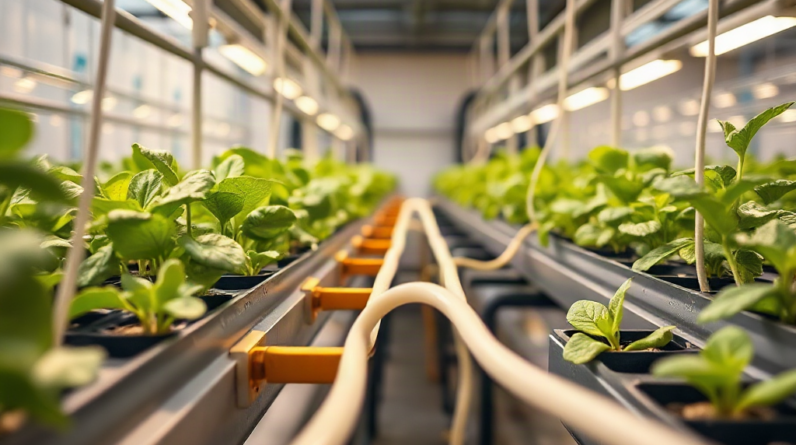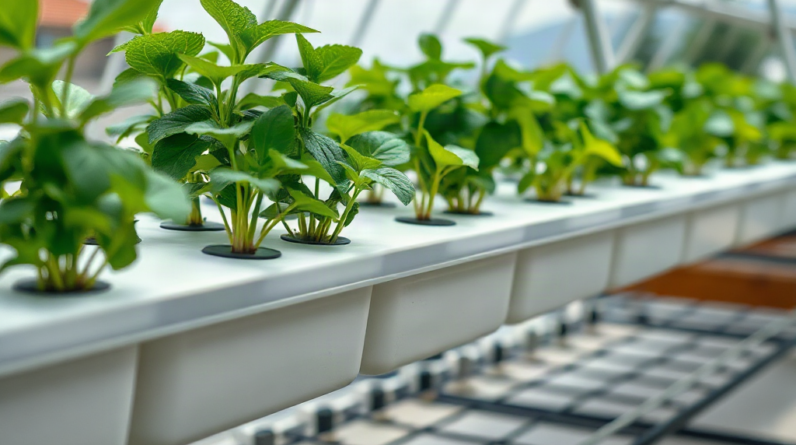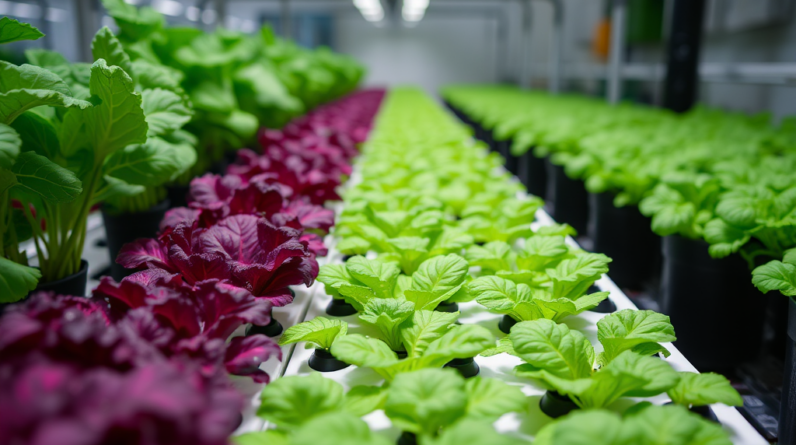
Beginners often make the mistake of opting for more complex plants that can lead to frustration and poor yields. By starting with simpler options, you can build confidence and gain essential skills in managing a hydroponic system. This approach not only ensures a successful harvest but also enhances your learning curve as you explore more advanced crops in the future.
Understanding Hydroponics
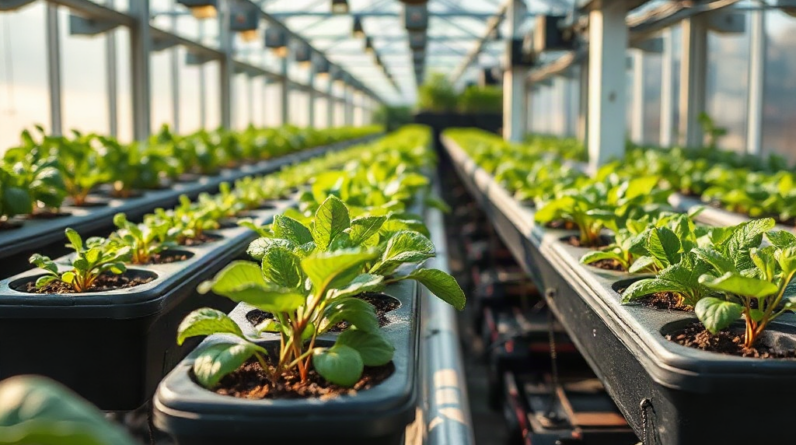
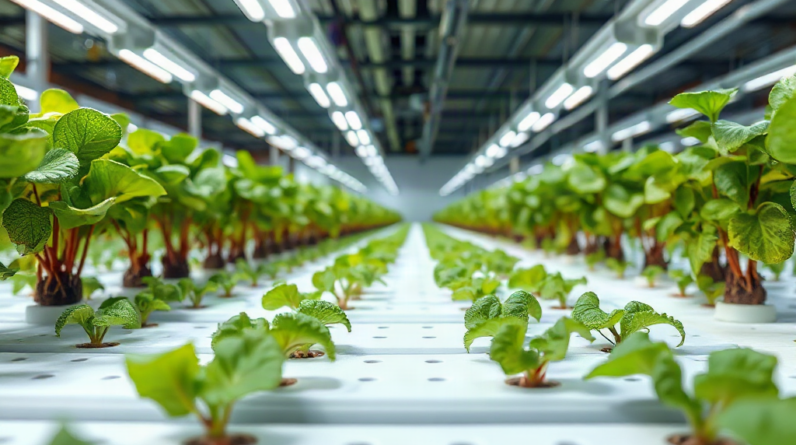
Hydroponics is a method of growing plants without soil, utilizing nutrient-rich water solutions instead. This technique allows for faster growth and higher yields compared to traditional soil gardening. Understanding the basic principles of hydroponics can help beginners make informed decisions about crop selection, ensuring that they choose plants suited to their growing environment.
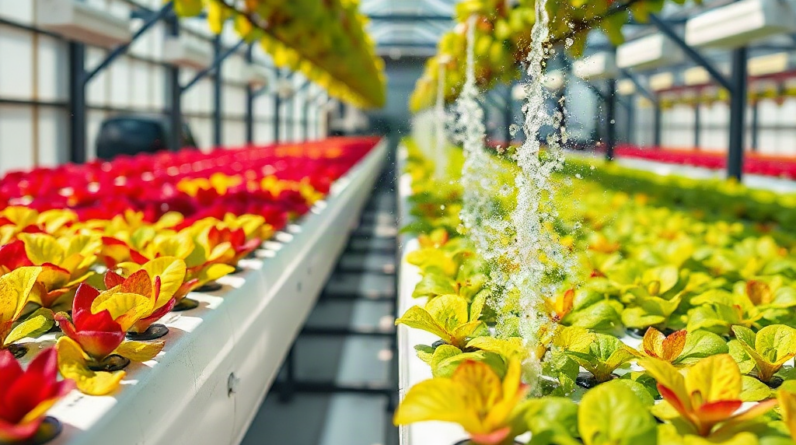
Key elements of hydroponic systems include nutrient management, light requirements, and environmental control. Beginners should familiarize themselves with these aspects to optimize growth conditions for their chosen crops. For instance, leafy greens like lettuce thrive in nutrient solutions with specific pH levels, while fruiting plants like tomatoes may require slightly different nutrient ratios.
Top Hydroponic Crops for Beginners
Several crops are particularly well-suited for beginner hydroponic gardeners. Here are some of the top choices:
- Lettuce: Fast-growing and easy to cultivate, lettuce is ideal for beginners. It can be harvested in as little as 30 days.
- Herbs: Basil, mint, and cilantro are excellent choices. They grow quickly and can be used fresh in cooking.
- Cherry Tomatoes: These plants are relatively easy to grow and produce fruit quickly, making them rewarding for new gardeners.
- Spinach: Another fast-growing leafy green, spinach is nutritious and can be harvested multiple times.
- Radishes: They mature quickly and require minimal care, making them a fun option for beginners.
Choosing these crops not only simplifies the growing process but also encourages beginners to experiment and learn about their individual growth needs. Starting with these selections helps build confidence before moving on to more challenging plants.
Common Mistakes and How to Avoid Them
New hydroponic gardeners often encounter challenges that can hinder their success. One common mistake is overcomplicating the setup by choosing difficult crops or complex systems. Beginners should focus on simple, straightforward setups that require minimal equipment and maintenance.
Another frequent issue is improper nutrient management. It’s essential to follow guidelines for nutrient solutions specific to the plants being grown. Beginners should regularly check pH levels and nutrient concentrations to avoid deficiencies or toxicities, which can stunt growth or lead to crop failure. Keeping a journal of growth conditions and adjustments can help track progress and identify areas for improvement.
Further Reading
Authoritative Sources
- Hydroponics Basics
hydroponics.comThis resource provides an overview of hydroponic systems and crop selection strategies for beginners
- University Extension Services
extension.orgFind expert advice on hydroponic gardening and crop management from various university extension services
- Gardening Know How
gardeningknowhow.comThis site offers practical tips and troubleshooting advice for hydroponic gardening
Frequently Asked Questions
What are the easiest crops to grow in hydroponics?
The easiest crops for beginners include lettuce, herbs like basil and mint, and cherry tomatoes due to their fast growth and low maintenance requirements.
How long does it take to grow lettuce hydroponically?
Lettuce can be harvested in as little as 30 days when grown hydroponically, making it a quick and rewarding choice for beginners.
Can I grow fruiting plants in hydroponics?
Yes, fruiting plants like cherry tomatoes and peppers can be successfully grown in hydroponics, but they may require more attention to nutrient management and light conditions.
What common mistakes do beginners make in hydroponics?
Common mistakes include selecting complex crops, neglecting nutrient management, and not monitoring pH levels, which can lead to poor growth and crop failure.
How often should I check my hydroponic system?
Beginners should check their hydroponic system at least once a week to monitor nutrient levels, pH, and plant health, making adjustments as necessary.
Conclusion
In conclusion, selecting the best hydroponic crops for beginners involves focusing on easy-to-grow plants like lettuce, herbs, and cherry tomatoes. These options ensure a successful and rewarding experience while allowing new gardeners to gain confidence in managing a hydroponic system. Pay attention to nutrient management and common pitfalls to maximize your success. As you become more comfortable, you can begin to explore more complex crops and systems.