Direct Answer
To enhance Flavor in Hydroponic Vegetables, anchor the decision around flavor, hydroponic, and vegetables before changing secondary details. Those entities usually expose the working mechanism: flavor defines the main constraint, hydroponic shapes the available path, and soil and water affects how reliably the result holds in a real setting. The safest next action is to correct the clearest weak point, measure the response, and then adjust enhance only after the first change proves useful. That keeps the answer independent, practical, and tied to the actual conditions rather than a broad checklist.
Enhancing flavor in hydroponic vegetables requires careful attention to various growth factors, including nutrient balance, light exposure, and environmental conditions. By optimizing these elements, you can significantly improve the taste and quality of your crops, leading to a more enjoyable eating experience.
One common pitfall in hydroponic gardening is the assumption that more nutrients always lead to better flavor. In reality, the right nutrient ratios are crucial. For example, too much nitrogen can lead to lush foliage but bland taste, while adequate potassium and phosphorus can enhance sweetness and overall flavor complexity. Regularly testing and adjusting your nutrient solution helps maintain the ideal balance for flavor development.
Optimizing Nutrient Solutions
The composition of your nutrient solution greatly affects the flavor profile of your hydroponic vegetables. Nutrients like calcium and magnesium are essential for flavor enhancement, while micronutrients such as iron and manganese contribute to the overall health of the plants. Balancing these elements according to the specific needs of your vegetables can lead to richer flavors.
For instance, during the fruiting stage, increasing potassium levels can enhance sweetness, while phosphorus supports flowering and fruit development. Regular analysis of your nutrient solution is vital to ensure that all elements are present in the right proportions. Conducting taste tests at various growth stages can help identify the optimal nutrient mix for your desired flavor profile.
Light Management for Flavor
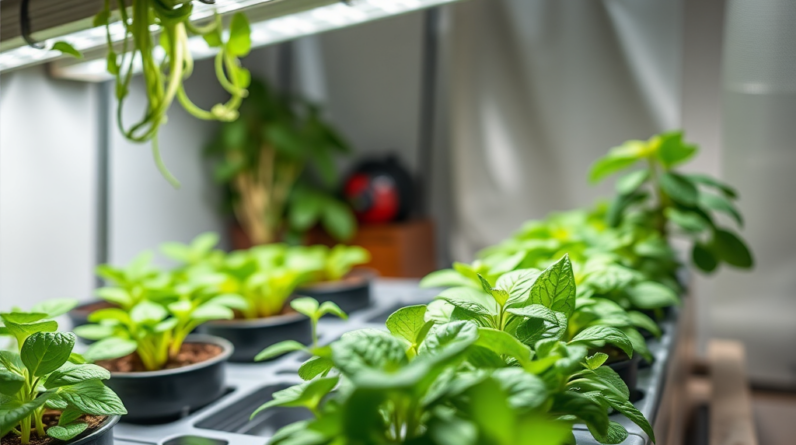
Light is a fundamental component of plant growth, but its intensity and spectrum can also influence flavor. Hydroponic systems often utilize LED lights that can be adjusted for intensity and wavelength. Research indicates that certain light spectrums can enhance the production of flavor compounds in plants.
For example, increasing the red light spectrum during the flowering stage can boost the production of sugars and aromatic compounds. Conversely, too much light can stress plants, leading to bitter flavors. Finding the right balance of light exposure—both in terms of duration and intensity—can significantly enhance the taste of your hydroponic vegetables.
Environmental Factors to Consider
Temperature and humidity levels play a critical role in the flavor of hydroponic vegetables. Ideal temperature ranges vary by plant type, but generally, cooler temperatures can enhance the sweetness of crops like lettuce and herbs. Maintaining consistent temperature and humidity levels prevents stress and promotes healthy growth, resulting in better flavor profiles.
Monitoring water quality is also essential, as poor water can impart undesirable tastes to your vegetables. Regularly testing for pH and contaminants ensures that your plants receive clean, optimal growing conditions. Additionally, integrating airflow and ventilation can help regulate temperature and humidity, further supporting flavor enhancement.
Common Mistakes to Avoid
Many hydroponic gardeners make mistakes that can negatively impact flavor. Over-fertilization is a common issue that can lead to nutrient burn and off-flavors in crops. It’s crucial to follow recommended nutrient guidelines and adjust based on plant responses.
Another mistake is neglecting to monitor environmental conditions. Fluctuations in temperature or humidity can stress plants, leading to diminished flavor quality. Regularly checking and adjusting your environment helps maintain optimal growing conditions and enhances flavor.
Further Reading
Authoritative Sources
- USDA National Institute of Food and Agriculture
nifa.usda.govResearch and extension resources related to agriculture, plants, soil, and food systems.
- Extension Foundation Gardening Resources
extension.orgUniversity extension education resources for practical gardening and home agriculture topics.
- USDA Natural Resources Conservation Service
nrcs.usda.govSoil, water, conservation, and land management resources for practical growing decisions.
Frequently Asked Questions
What nutrients are best for enhancing flavor in hydroponic vegetables?
Key nutrients include potassium, phosphorus, calcium, and magnesium, which collectively contribute to sweetness and overall flavor complexity.
How does light affect the flavor of hydroponic vegetables?
The spectrum and intensity of light can enhance the production of sugars and aromatic compounds, directly impacting flavor.
What environmental conditions are crucial for flavor development?
Temperature and humidity levels are crucial; cooler temperatures often enhance sweetness while maintaining consistent conditions prevents stress.
How can I prevent off-flavors in my hydroponic crops?
Regularly monitor nutrient levels, water quality, and environmental conditions to avoid stress and undesirable tastes in your vegetables.
Is there a specific time to harvest for the best flavor?
Harvesting at the right time, typically when vegetables reach maturity but before they start to bolt, can maximize flavor.
Conclusion
To truly enhance the flavor of your hydroponic vegetables, prioritize optimizing nutrient solutions, managing light effectively, and maintaining stable environmental conditions. Avoid common pitfalls like over-fertilization and neglecting environmental factors to achieve the best taste outcomes. Regularly evaluate your approach and make adjustments as necessary to ensure your crops deliver the rich, flavorful experience you’re aiming for.
Related Content
- 10 Effective Indoor Hydroponic Vegetables to Grow in 2025: The Ultimate Guide
- Hydroponics Growing System: 11Pods Indoor Garden Germination Kit Review
- Elevate Your Indoor Gardening: Mastering Grow Room Hydroponics for Abundant Yields
- Grow Lush Plants with DIY Hydroponics
- The Ultimate Guide to the 10 Best general hydroponics nutrients for 2025