Direct Answer
You can grow hydroponically without sunlight by replacing outdoor sun with full-spectrum LED grow lights and managing the system as a controlled indoor crop environment. Start with light-tolerant crops like leafy greens, herbs, and seedlings, set a consistent photoperiod, and keep the fixture close enough for strong growth without leaf burn. Track pH, nutrient strength, reservoir temperature, humidity, and airflow together, because weak lighting symptoms often look like nutrient or root problems.
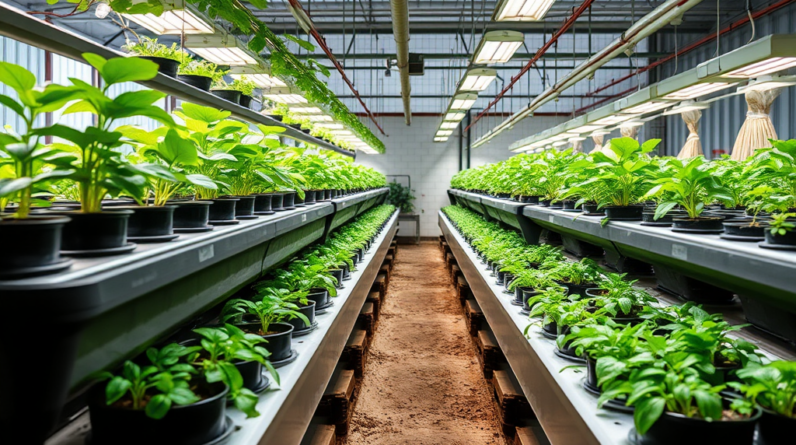
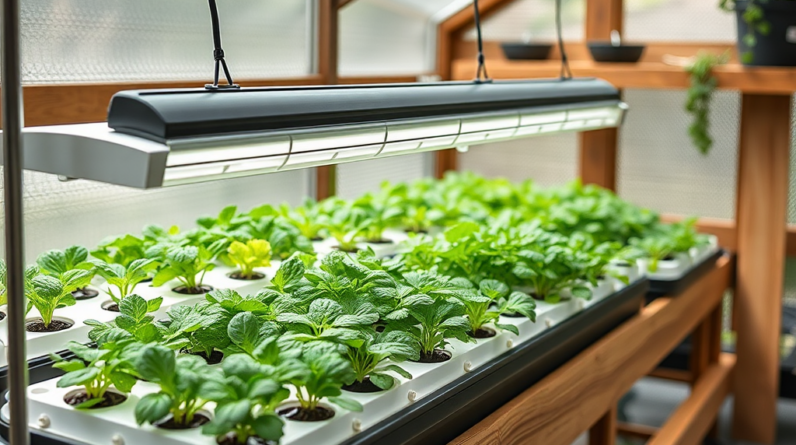
Growing hydroponically without sunlight is entirely feasible by using artificial lighting to provide the necessary spectrum for plant growth. LED grow lights are particularly effective, as they can be tailored to emit specific wavelengths that plants need for photosynthesis. This approach allows for optimal growth conditions even in spaces with no natural light.
When growing indoors, it is crucial to manage not only the lighting but also the nutrient solutions, temperature, and humidity levels. Each of these factors plays a significant role in the health of your plants. For example, nutrient solutions must be carefully balanced to ensure that plants receive the essential elements they need, while temperature and humidity must be monitored to create a stable environment.
Additionally, understanding the specific light requirements of the plants you choose to grow is vital. Different plants have varying needs for light intensity and duration, so selecting the right spectrum and duration of light can significantly impact growth rates and crop yields.
Understanding Hydroponics Without Sunlight
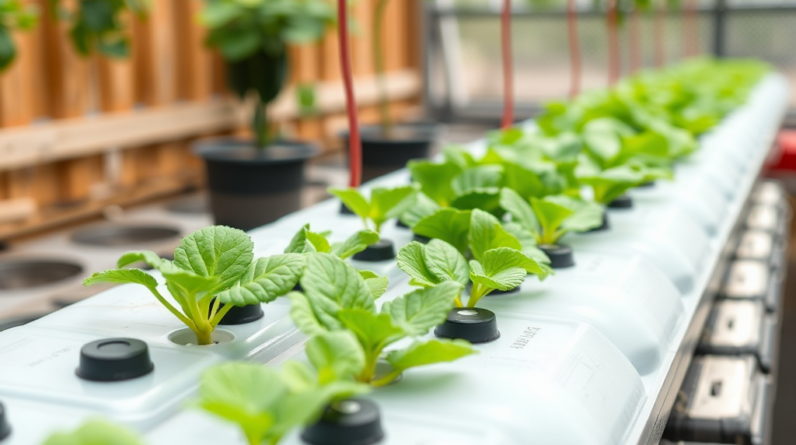
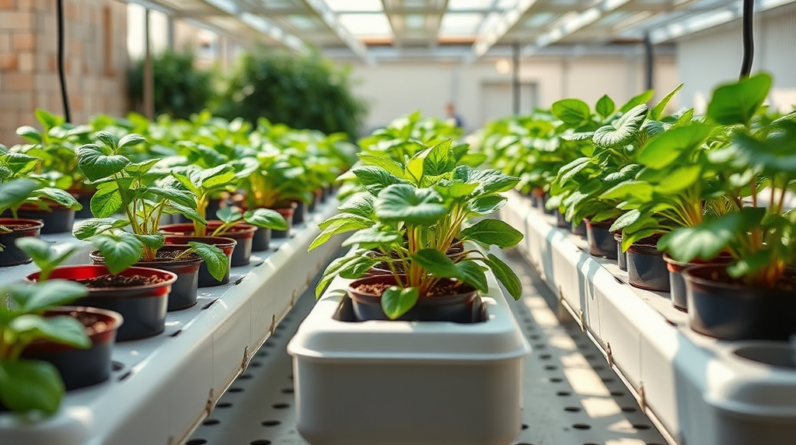
Hydroponics is a method of growing plants without soil, using nutrient-rich water instead. When sunlight is not available, understanding how to replicate the essential conditions for plant growth becomes paramount. This involves using artificial lights and ensuring that plants receive adequate nutrients and environmental stability.
Without natural light, the primary challenge is providing sufficient light for photosynthesis. This requires knowledge of the plants’ light needs and how to effectively use artificial lighting systems to meet those needs.
Choosing the Right Lighting System
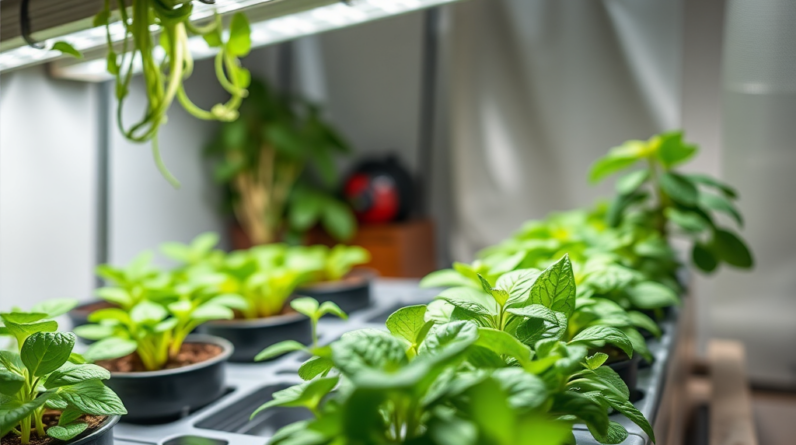
Choosing the appropriate lighting system is critical for successful hydroponic growth in low-light conditions. LED lights are favored for their energy efficiency and ability to produce specific light spectrums conducive to plant growth. They can be adjusted in height and intensity, allowing for customization based on the growth stage of the plants.
Fluorescent lights are another option, particularly for seedlings and leafy greens. However, they may not provide the intensity required for fruiting plants. When selecting a lighting system, consider the types of plants you intend to grow and their specific light requirements.
Nutrient Management in Indoor Hydroponics
Nutrient management is essential when growing hydroponically without sunlight. Plants rely on a balanced nutrient solution to thrive, which typically includes macronutrients like nitrogen, phosphorus, and potassium, as well as micronutrients such as iron and magnesium. Regularly testing and adjusting the nutrient solution is necessary to prevent deficiencies or toxicities.
Using hydroponic nutrient solutions that are specifically formulated for the type of plants being grown can help maintain optimal growth conditions. Additionally, monitoring the pH and electrical conductivity (EC) of the nutrient solution will ensure that plants can effectively absorb the nutrients they need.
Environmental Control for Optimal Growth
Controlling the indoor environment is vital for hydroponic success without sunlight. This includes managing temperature, humidity, and air circulation. Ideal temperatures generally range from 65°F to 75°F for most plants, while humidity levels should be kept between 40% and 70% depending on the plant species.
Using fans for air circulation can help prevent mold growth and ensure that plants receive adequate CO2 for photosynthesis. Regularly monitoring these environmental factors will help maintain a stable growing environment conducive to healthy plant development.
Further Reading
Authoritative Sources
- Library of Congress Research Guides
guides.loc.govResearch guides that help readers locate reliable background sources on a wide range of subjects.
- USA.gov Official Information and Services
usa.govOfficial U.S. government information and public resources for practical reference.
- Google Scholar
scholar.google.comAcademic search resource for finding research literature and source material.
Frequently Asked Questions
Can I grow all types of plants hydroponically without sunlight?
While many plants can thrive without sunlight using artificial lighting, some plants, especially those that require intense light, may not perform as well. Leafy greens and herbs are generally more adaptable.
What type of LED lights are best for indoor hydroponics?
Full-spectrum LED grow lights are ideal as they provide a balanced light spectrum that mimics natural sunlight, promoting healthy growth across all plant stages.
How often should I change the nutrient solution in a hydroponic system?
It is recommended to change the nutrient solution every two to three weeks, or more frequently if plants show signs of nutrient deficiencies.
What are the signs of insufficient lighting in hydroponic plants?
Signs include stunted growth, yellowing leaves, and leggy plants, where they stretch towards the light source. Adjusting light intensity or duration may be necessary.
Is it necessary to monitor pH levels in hydroponic systems?
Yes, monitoring pH levels is crucial as it affects nutrient availability. Most plants prefer a pH range of 5.5 to 6.5 for optimal nutrient absorption.
Conclusion
Growing hydroponically without sunlight is a viable option for indoor gardeners, provided that the right artificial lighting, nutrient management, and environmental controls are implemented. By understanding the specific needs of your plants and maintaining optimal conditions, you can successfully cultivate a variety of crops indoors. Prioritize selecting the right lighting system and nutrient solutions to enhance growth and yield.
Related Content
- Ultimate Guide to a Hydroponic Drip System (2025 Trends & Tips)
- The Most Common Mistakes in Hydroponic Gardening and How to Avoid Them
- Indoor Farming Innovations: Explore Hydroponics
- How to Create a Hydroponic System for Small Spaces: Essential Steps and Methods
- Hydroponic Growing Techniques: Effective Methods for Home and Commercial Cultivation