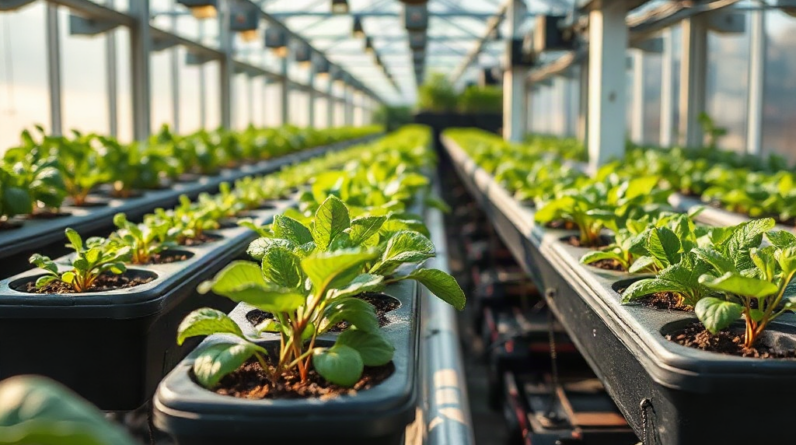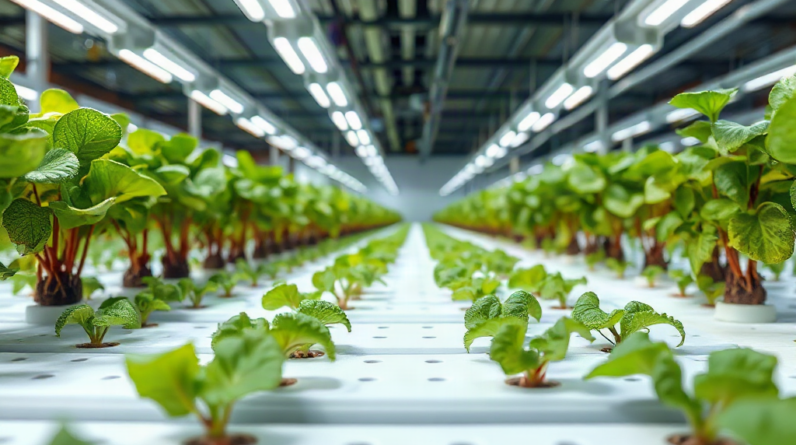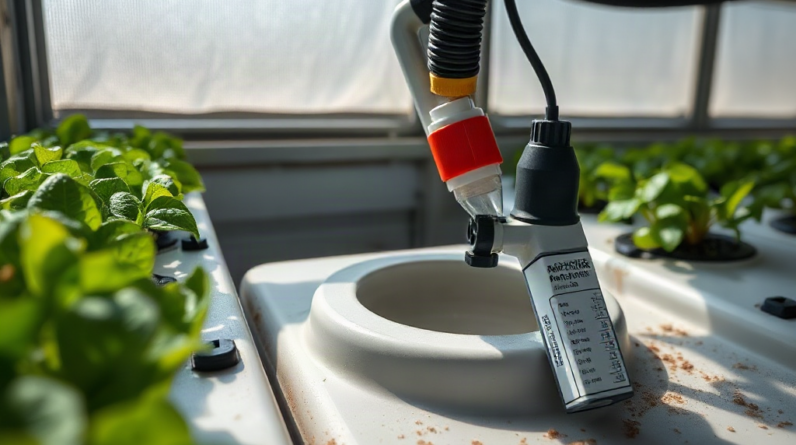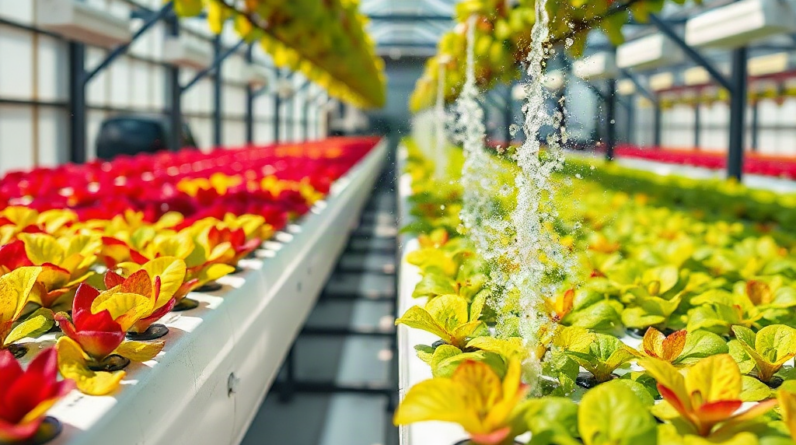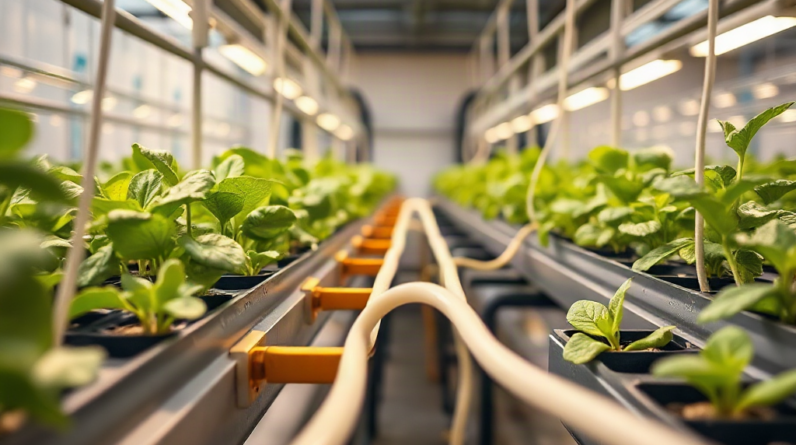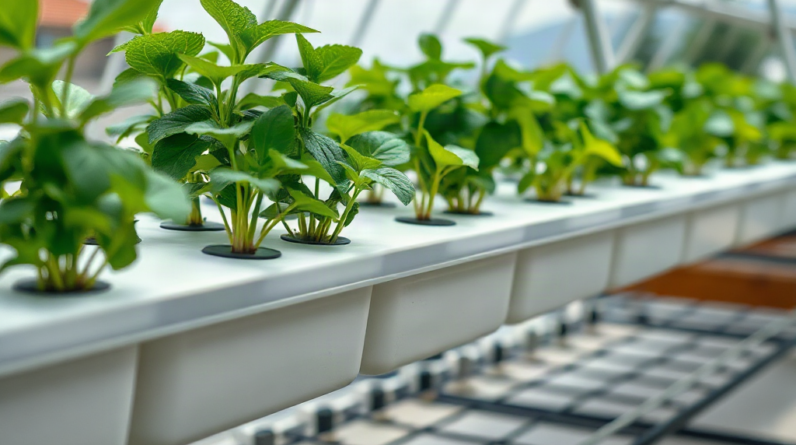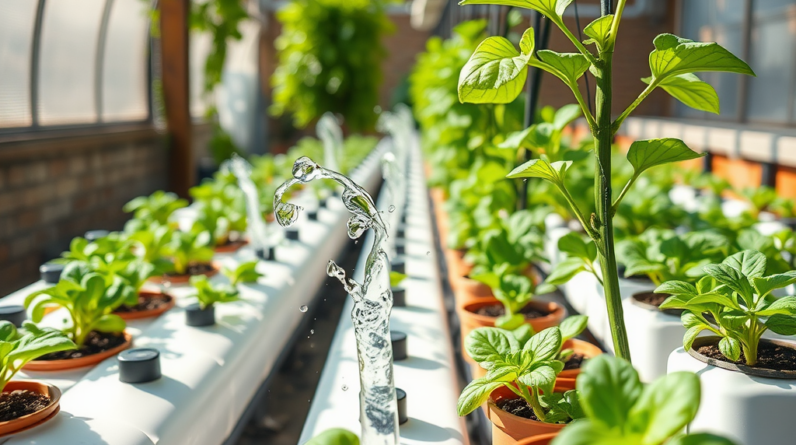
Over-watering in hydroponic gardens can have severe consequences, including root rot, nutrient deficiencies, and stunted growth. Excess moisture prevents roots from obtaining sufficient oxygen, which is vital for healthy plant development. This condition is often caused by poor drainage, excessive nutrient solution, or a lack of proper monitoring of water levels.
Understanding the implications of over-watering is essential for hydroponic gardeners aiming to optimize plant health and yield. Over-saturation can lead to anaerobic conditions in the root zone, promoting the growth of harmful pathogens like Pythium, which thrives in wet environments. Additionally, plants may suffer from nutrient lockout, where essential minerals are unavailable due to imbalanced moisture levels.
Furthermore, over-watering can result in the leaching of nutrients, leading to deficiencies that can affect growth and overall plant vigor. Gardeners must strike a balance between providing adequate water and ensuring proper drainage to maintain healthy plants. Regular monitoring and adjustments to the watering schedule based on the plants’ needs and environmental conditions are crucial.
Understanding Over-Watering
Over-watering occurs when plants receive more water than they can absorb or utilize. In hydroponic systems, this can be particularly detrimental due to the absence of soil, which typically helps regulate moisture levels. The primary cause of over-watering is often the mismanagement of nutrient solutions and water levels, leading to excessive moisture in the root zone.
To avoid this issue, the specific water requirements of each plant type. Some plants prefer drier conditions, while others thrive in wetter environments. By tailoring the watering schedule to the specific needs of the plants, growers can enhance overall health and productivity.
Symptoms of Over-Watering
Identifying the symptoms of over-watering early can prevent severe damage to plants. Common signs include yellowing leaves, wilting despite wet soil, and a foul odor emanating from the root zone. Additionally, plants may exhibit stunted growth and a general decline in vigor.
Another critical symptom is the presence of mold or algae on the surface of the nutrient solution or growth medium. This indicates that the environment is too moist, which can compromise plant health. Monitoring these symptoms closely allows gardeners to take corrective action before significant damage occurs.
Preventing Over-Watering
Preventing over-watering requires careful planning and monitoring of the hydroponic system. Implementing a timer for nutrient delivery can help regulate water supply, ensuring that plants receive only what they need. Additionally, using a growing medium that promotes drainage, such as rock wool or clay pellets, can mitigate excess moisture retention.
Regularly checking the moisture levels in the root zone is crucial. Utilizing moisture sensors or simple visual inspections can help determine when plants need water. By maintaining a consistent watering routine based on plant needs, gardeners can avoid the pitfalls of over-watering.
Managing Water Levels Effectively
Effective water management is key to preventing over-watering and ensuring optimal plant health. This involves understanding the specific water needs of different plant species and adjusting the nutrient solution accordingly. For instance, leafy greens may require more frequent watering compared to fruiting plants.
Additionally, incorporating a recirculating system can help maintain stable water levels while reducing the risk of over-saturation. By allowing excess water to drain back into the reservoir, growers can prevent standing water and maintain a healthier root environment.
Further Reading
Authoritative Sources
- Hydroponics: The Ultimate Guide
hydroponics.comThis resource offers comprehensive information on hydroponic systems and best practices for water management
- Common Problems in Hydroponics
gardeningknowhow.comThis guide discusses various challenges in hydroponic gardening, including over-watering and its effects
Frequently Asked Questions
What are the main consequences of over-watering in hydroponic gardens?
The main consequences include root rot, nutrient deficiencies, and stunted growth due to excess moisture blocking oxygen uptake.
How can I tell if my plants are over-watered?
Signs of over-watering include yellowing leaves, wilting despite wet soil, and a foul odor from the root zone.
What steps can I take to prevent over-watering?
Implement a timer for nutrient delivery, use a well-draining growing medium, and regularly check moisture levels in the root zone.
Can over-watering damage my hydroponic system?
Yes, it can lead to the growth of pathogens, clogging of systems, and ultimately compromise plant health and yield.
How often should I water my hydroponic plants?
Watering frequency depends on the plant species but generally, a consistent schedule based on their specific needs is recommended.
Conclusion
In summary, managing water levels effectively is crucial for the success of hydroponic gardens. Over-watering can lead to detrimental effects such as root rot and nutrient deficiencies, which can ultimately stunt plant growth. By understanding the symptoms and implementing preventive measures, gardeners can maintain optimal conditions for their plants. Regular monitoring of moisture levels and adjusting watering schedules according to plant needs will promote healthier growth and higher yields.