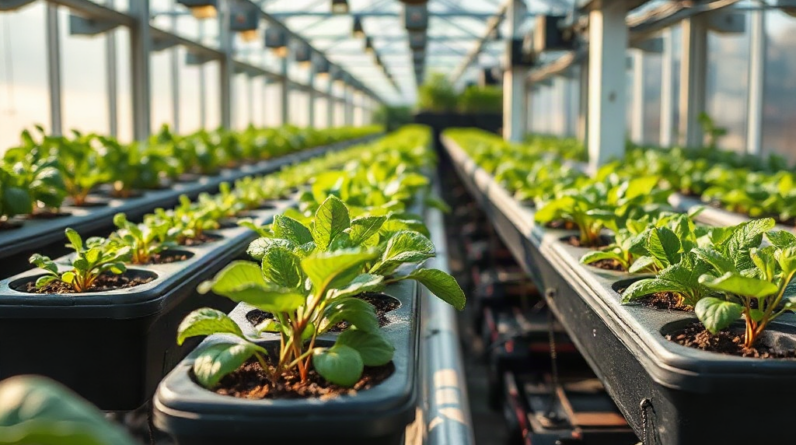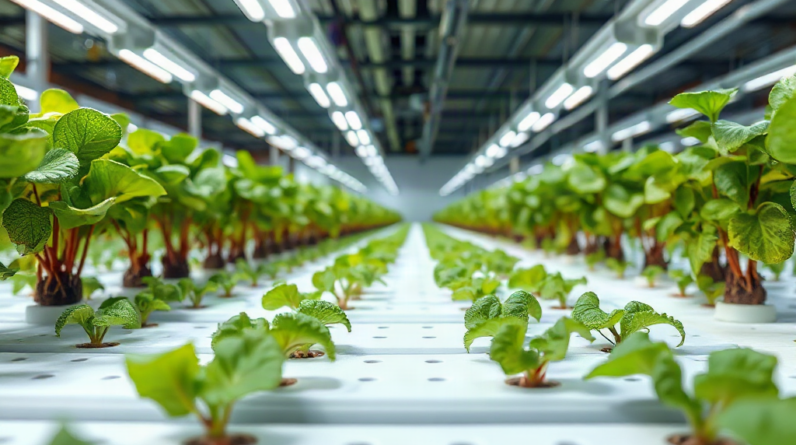

Choosing the right hydroponic system for small spaces is essential for maximizing your gardening potential while efficiently using limited areas. Systems like vertical gardens, nutrient film techniques (NFT), and deep water culture (DWC) can help you grow a variety of plants without requiring extensive space. Prioritizing factors such as light availability, water access, and plant types will help you make the best choice for your specific environment.
When selecting a hydroponic system, consider the trade-offs of each type. For instance, vertical gardens allow for high-density planting but may require additional support for certain plants. NFT systems are efficient but can be sensitive to water quality and nutrient levels. DWC systems offer robust growth but need careful management of oxygen levels in the water. Understanding these aspects will help you avoid common pitfalls and ensure a successful hydroponic garden.
Types of Hydroponic Systems for Small Spaces
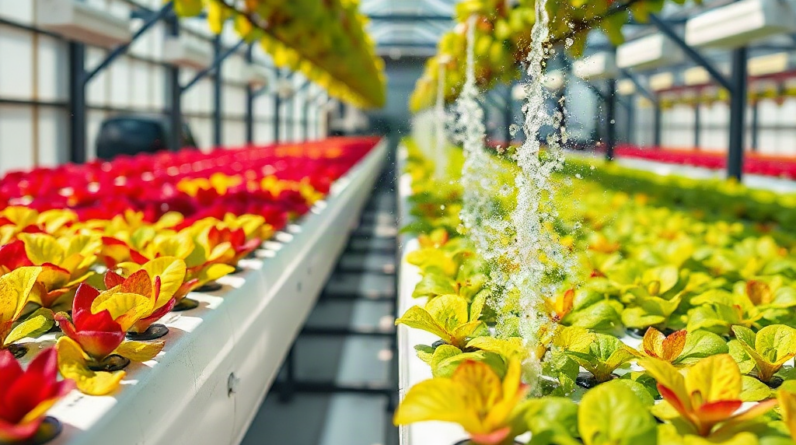
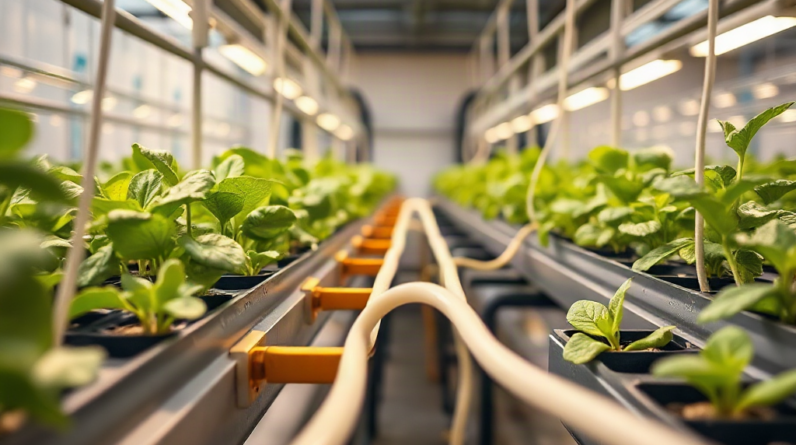
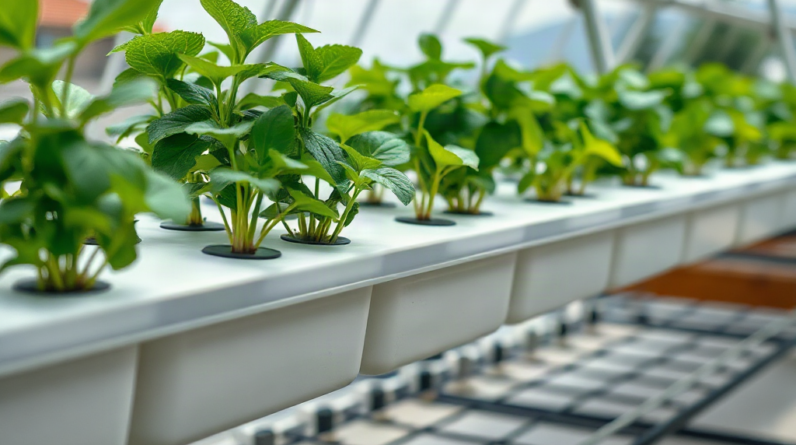
There are several hydroponic systems suitable for small spaces, each with unique advantages. Vertical gardens, for example, utilize vertical space efficiently, making them ideal for urban environments. Nutrient film technique (NFT) systems use a thin film of nutrient solution flowing over plant roots, promoting growth while saving space. Deep water culture (DWC) systems are also popular, where plants are suspended in a nutrient-rich water solution.
When choosing between these systems, assess your specific needs. For instance, if you are growing leafy greens, NFT might be the best choice due to its efficiency. Conversely, if you want to grow larger plants, DWC may be more suitable. Understanding the characteristics of each system will help you determine which aligns best with your gardening goals.
Factors to Consider When Choosing a System
Several critical factors can influence your decision when selecting a hydroponic system for small spaces. First, evaluate the available space you have for growing plants. Measure your area to determine how much vertical or horizontal space you can utilize. Next, consider the types of plants you want to grow, as different systems cater to specific plant needs.
Budget is another essential factor. Some systems require more initial investment, while others may be more cost-effective. Additionally, consider the time you can dedicate to maintenance. Systems like NFT may demand more frequent monitoring of nutrient levels, while simpler systems may require less hands-on attention. Balancing these factors will help you choose the right hydroponic system that fits your lifestyle.
Common Mistakes to Avoid
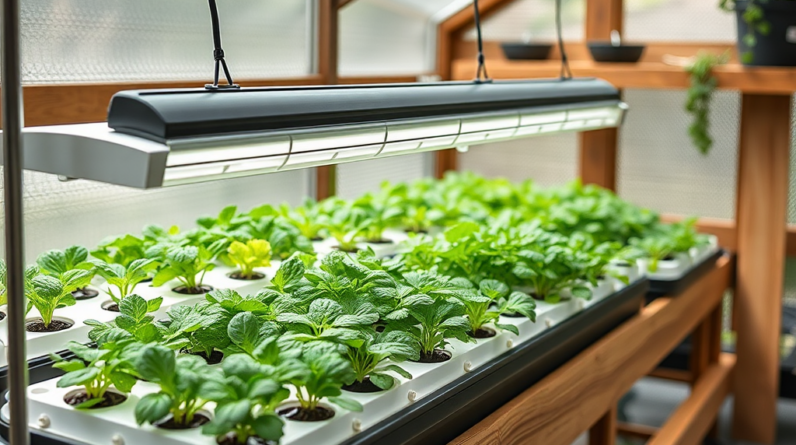
When setting up a hydroponic system in a small space, certain mistakes can hinder success. One common error is underestimating the importance of light. Ensure your system receives adequate lighting, as plants need sufficient light to thrive. Another mistake is neglecting water quality; poor water quality can lead to nutrient deficiencies and plant health issues.
Additionally, many beginners overlook the need for proper air circulation. Insufficient airflow can lead to mold and disease, which can jeopardize your plants. Always monitor environmental conditions and adjust accordingly to maintain optimal growth. By avoiding these pitfalls, you can enhance your hydroponic gardening experience and achieve better results.
For those interested in expanding their knowledge on hydroponics, consider consulting resources from reputable gardening organizations, local agricultural extensions, or specialized hydroponic books. These materials can provide detailed insights into system setup, plant care, and troubleshooting common issues.
Further Reading
Authoritative Sources
- USDA National Institute of Food and Agriculture
nifa.usda.govResearch and extension resources related to agriculture, plants, soil, and food systems
- Extension Foundation Gardening Resources
extension.orgUniversity extension education resources for practical gardening and home agriculture topics
- USDA Natural Resources Conservation Service
nrcs.usda.govSoil, water, conservation, and land management resources for practical growing decisions
Frequently Asked Questions
What is the best hydroponic system for beginners in small spaces?
A simple deep water culture (DWC) system is often recommended for beginners as it is easy to set up and maintain, providing robust growth for various plants.
How much light do small hydroponic systems need?
Most hydroponic plants require 12 to 16 hours of light daily, depending on the species. Using grow lights can help ensure they receive adequate light in small spaces.
Can I grow fruiting plants in a small hydroponic system?
Yes, many hydroponic systems can support fruiting plants, but they may require more space and specific care for optimal growth, such as additional support for heavier fruits.
What are the costs associated with setting up a small hydroponic system?
Costs can vary widely depending on the system type, with simple setups starting around 0 and more advanced systems costing several hundred dollars.
How often should I change the nutrient solution?
It’s generally recommended to change the nutrient solution every 1 to 2 weeks to maintain nutrient levels and prevent algae growth.
Conclusion
In conclusion, choosing the right hydroponic system for small spaces requires careful consideration of space, plant types, and maintenance needs. By exploring various systems and understanding their unique requirements, you can create a successful hydroponic garden that thrives in limited areas. Prioritize factors such as light, water quality, and airflow to avoid common pitfalls and ensure healthy plant growth. With the right approach, you can enjoy the benefits of hydroponics even in the smallest of spaces.