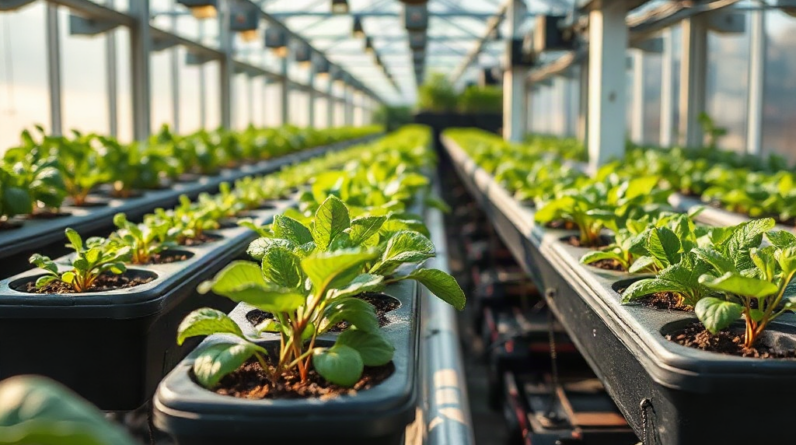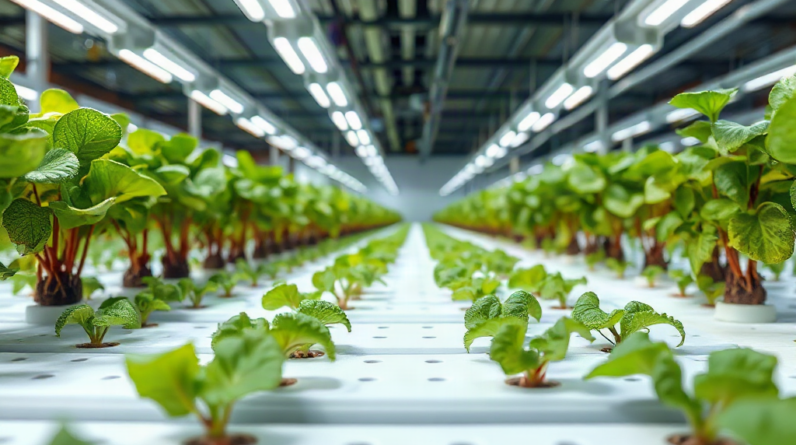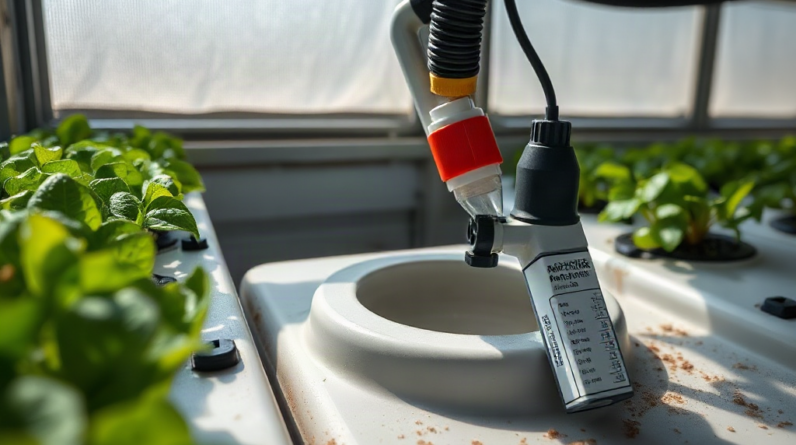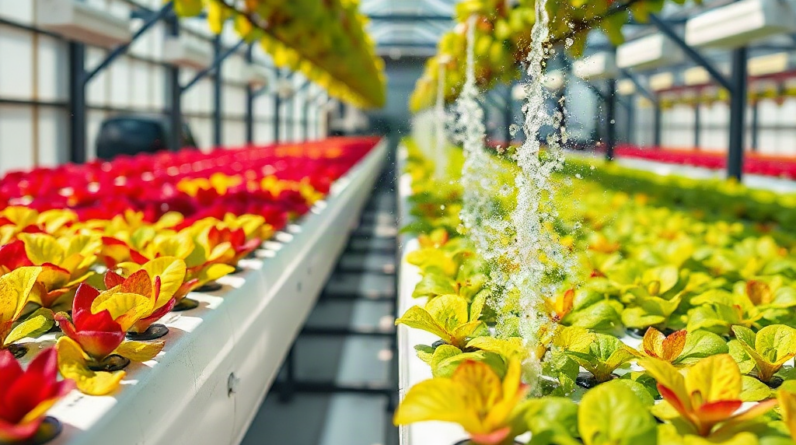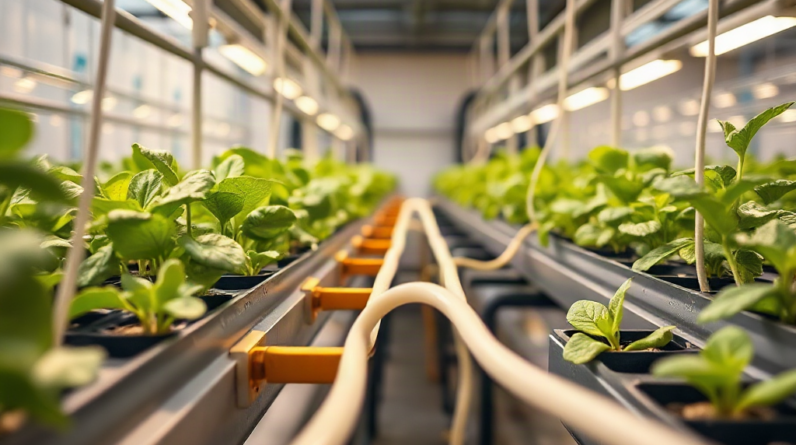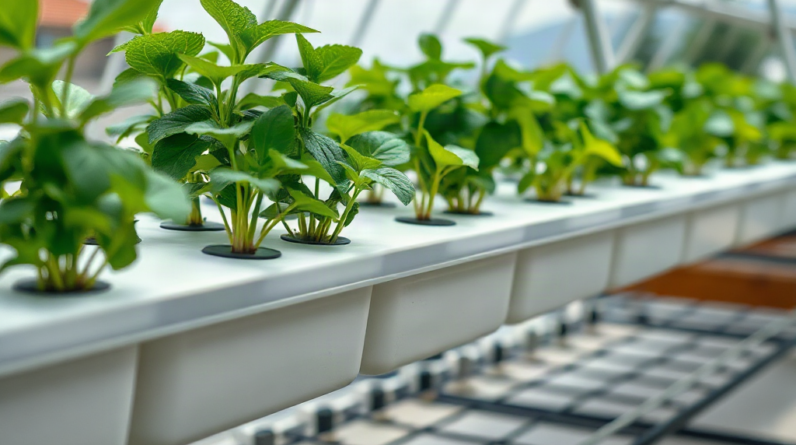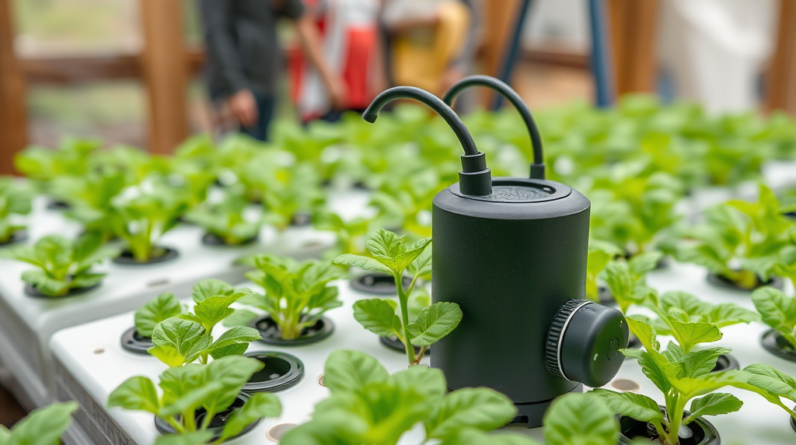
A hydroponic air pump system is essential for maintaining the health of plants grown in a soilless environment, as it supplies oxygen directly to the roots. This oxygenation process is crucial because it enhances nutrient uptake and prevents issues such as root rot, which can arise in stagnant water. The system typically comprises an air pump, air stones, and tubing that work in tandem to distribute oxygen evenly.
Setting up a hydroponic air pump system involves several key steps. First, select a quality air pump suitable for the size of your growing area. The pump’s capacity, measured in liters per minute, should be adequate to aerate the entire nutrient solution effectively. Next, choose air stones that suit your system’s scale, as they break down air into fine bubbles, increasing surface area for oxygen exchange. Tubing connects the pump to the air stones, ensuring efficient air delivery.
Another important consideration is the placement of the air stones within the nutrient reservoir. They should be positioned to maximize oxygen diffusion throughout the solution. Regular maintenance is vital; check for clogs in the air stones and ensure the pump is functioning properly to avoid oxygen depletion, which can harm plant growth.
Understanding Hydroponic Air Pump Systems
A hydroponic air pump system is designed to deliver oxygen directly to the roots of plants, which is particularly crucial in a water-based growing system. Without sufficient oxygen, plants can struggle to absorb nutrients effectively, leading to stunted growth or even death. In addition, oxygen helps to prevent the growth of harmful bacteria and pathogens in the nutrient solution.
Investing in a reliable air pump system can significantly improve the health and yield of your hydroponic garden. Many growers often underestimate the importance of oxygenation, assuming that nutrient solutions alone are sufficient for plant health. However, without a robust air pump system, the risk of root diseases increases, and overall plant vigor declines.
Components of a Hydroponic Air Pump System
The primary components of a hydroponic air pump system include the air pump, air stones, and various tubing. The air pump is the heart of the system, pushing air through the tubing to the air stones submerged in the nutrient solution. Air stones are porous materials that diffuse the air into tiny bubbles, increasing the surface area for gas exchange.
When selecting components, consider the size of your hydroponic setup. A larger system may require multiple air pumps or larger air stones to ensure adequate oxygenation. Additionally, the quality of materials used for tubing can affect airflow; using flexible, durable tubing minimizes airflow resistance and potential leaks.
Setting Up Your Hydroponic Air Pump System
To set up your hydroponic air pump system, begin by placing the air pump above the nutrient reservoir to prevent backflow of water into the pump. Connect the pump to the air stones using the tubing, ensuring there are no kinks that could restrict airflow. Once everything is connected, fill the reservoir with your nutrient solution and turn on the pump.
Monitor the system closely during the initial setup phase. Look for signs of adequate oxygenation, such as the formation of fine bubbles around the air stones. Regularly check the air stones for blockages and ensure that the pump is running efficiently. A well-maintained air pump system can significantly enhance the growth potential of your hydroponic plants.
Further Reading
Authoritative Sources
- USDA National Institute of Food and Agriculture
nifa.usda.govResearch and extension resources related to agriculture, plants, soil, and food systems
- Extension Foundation Gardening Resources
extension.orgUniversity extension education resources for practical gardening and home agriculture topics
- USDA Natural Resources Conservation Service
nrcs.usda.govSoil, water, conservation, and land management resources for practical growing decisions
Frequently Asked Questions
What is the purpose of an air pump in hydroponics?
The air pump provides essential oxygen to plant roots in a hydroponic system, enhancing nutrient absorption and preventing root diseases.
How often should I run my hydroponic air pump?
It is advisable to run the air pump continuously to ensure a constant supply of oxygen to the roots, especially in deep water culture systems.
Can I use any air pump for my hydroponic system?
Not all air pumps are suitable; choose one that is specifically designed for hydroponics to ensure adequate oxygen delivery and efficiency.
What happens if my air pump fails?
If your air pump fails, the lack of oxygen can lead to root rot and other health issues for your plants, making it crucial to have a backup system in place.
How do I maintain my hydroponic air pump system?
Regularly check for clogs in the air stones, ensure the pump is functioning properly, and replace any worn-out components to maintain efficiency.
Conclusion
In conclusion, a hydroponic air pump system is vital for the success of any soilless growing operation. By ensuring that your plants receive adequate oxygen, you not only promote healthy growth but also mitigate the risk of diseases that can ravage your crop. Regular maintenance and proper setup are key to maximizing the effectiveness of your air pump system. Consider investing in quality components and monitoring your system closely to achieve the best results in your hydroponic garden.