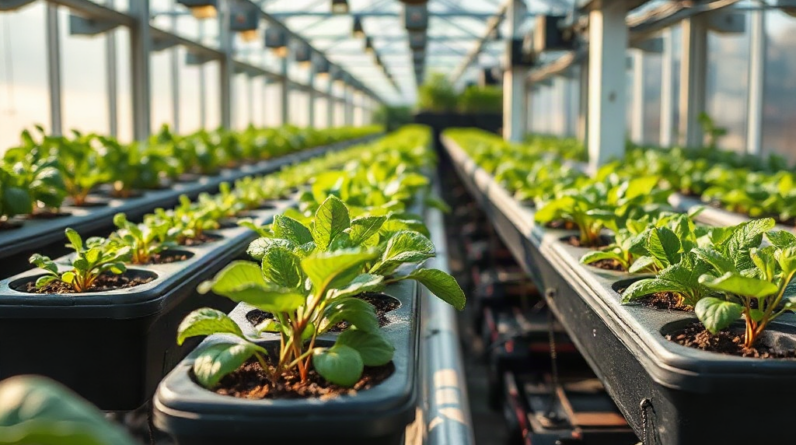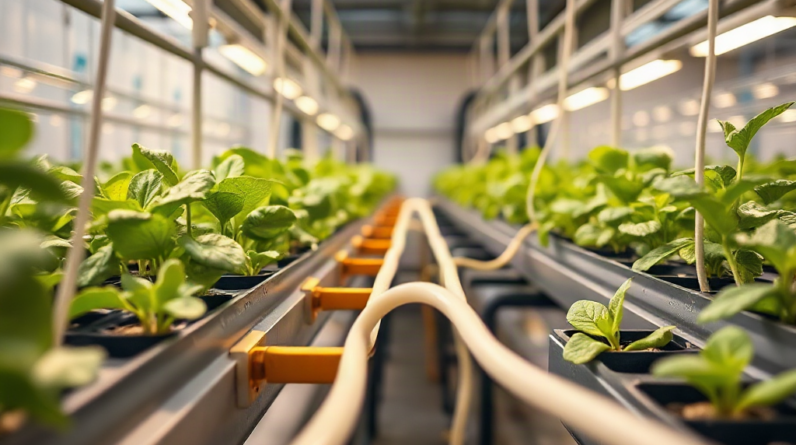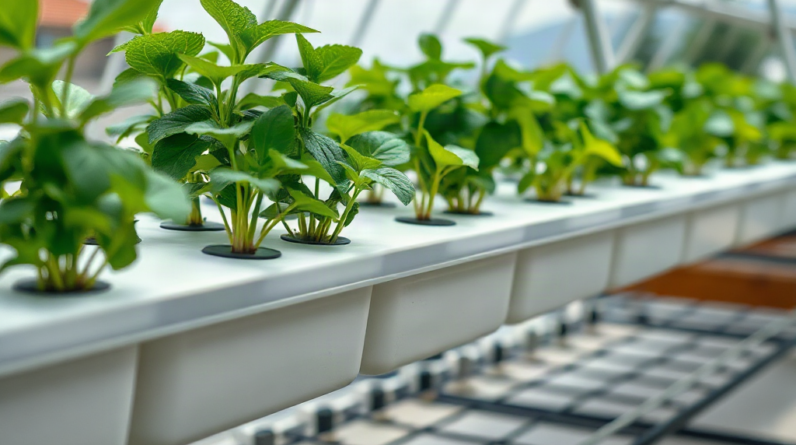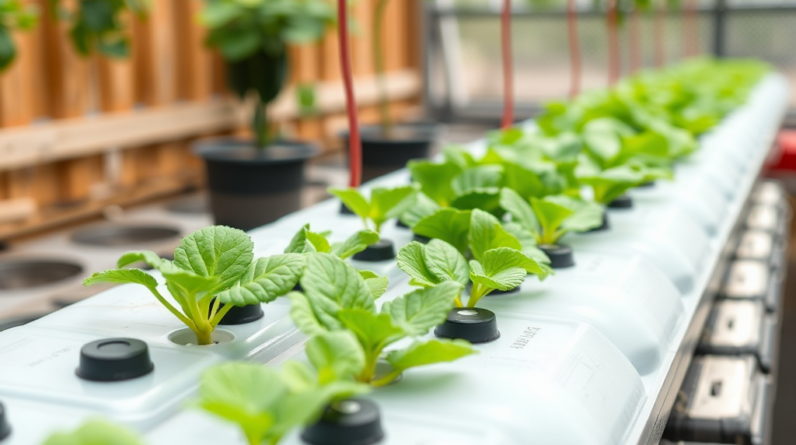
Starting hydroponic systems presents unique challenges that new growers often underestimate. One of the most prevalent mistakes is failing to manage nutrient levels effectively. Nutrient solutions must be tailored to the specific needs of the plants being grown, as different species require varying levels of nutrients for optimal growth. Insufficient or imbalanced nutrients can lead to deficiencies or toxicities, ultimately stunting plant development.
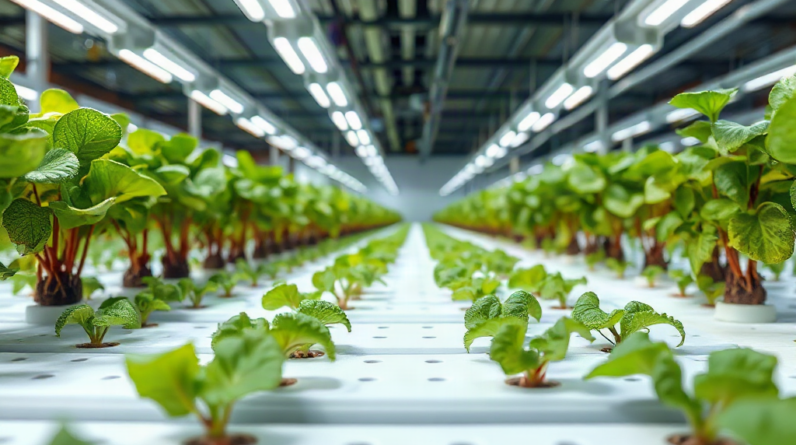
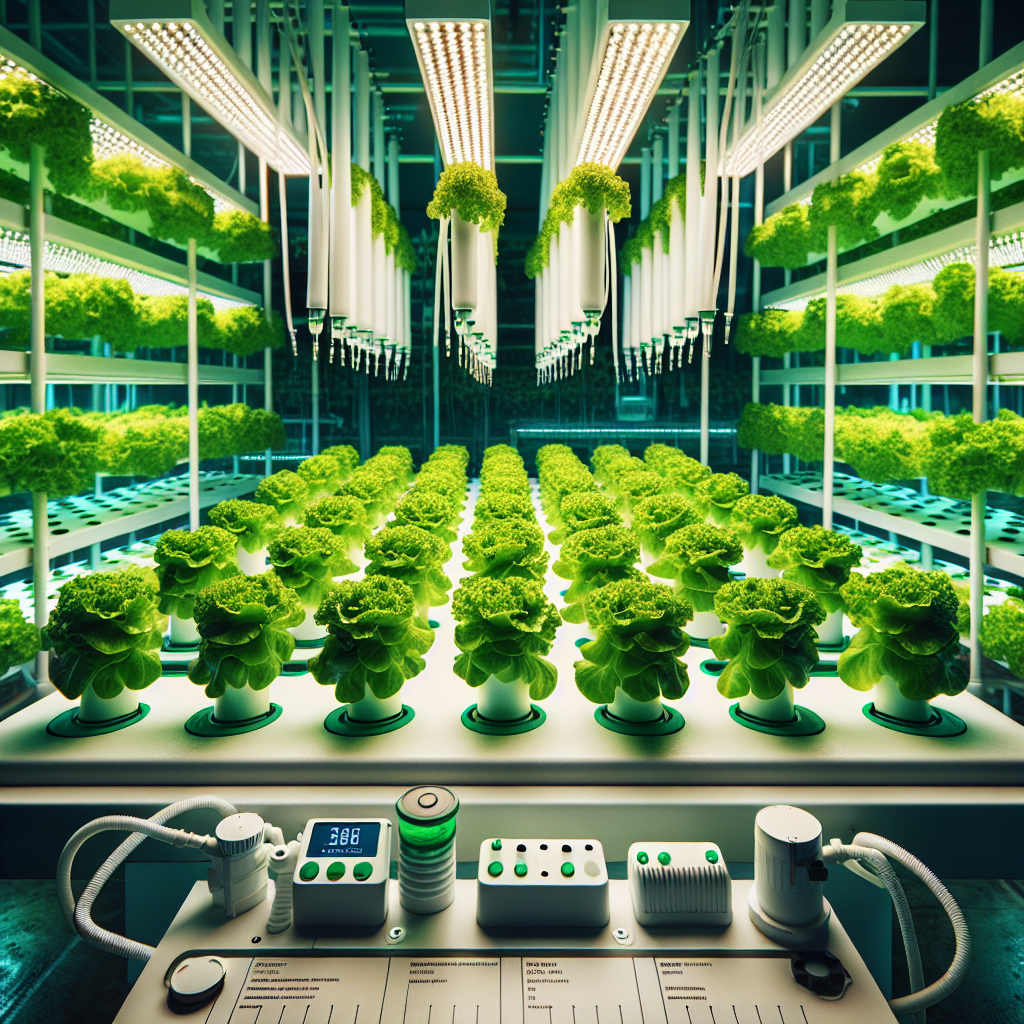
Another common error is inadequate lighting. Many beginners assume that any light source will suffice. However, plants grown hydroponically need specific light spectrums to thrive. For instance, using a full-spectrum LED grow light can significantly enhance photosynthesis and growth rates, while fluorescent bulbs may not provide enough intensity, especially for fruiting plants.
Additionally, neglecting pH balance can be detrimental. The pH level of the nutrient solution should ideally be maintained between 5.5 and 6.5. An unsuitable pH can hinder nutrient uptake, leading to nutrient lockout and poor plant health. Regular testing and adjustment of pH levels are vital to ensure plants receive the necessary nutrients.
Understanding Nutrient Management
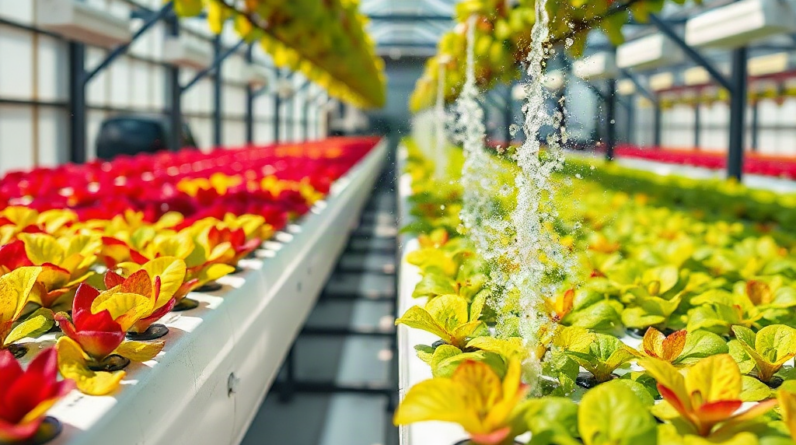
Effective nutrient management is critical in hydroponic systems. Each plant type has specific nutrient requirements, and failure to meet these can lead to significant growth issues. For example, leafy greens generally require higher nitrogen levels, while fruiting plants benefit from increased phosphorus.
To avoid common mistakes, growers should invest in a reliable nutrient management system. This includes using high-quality nutrient solutions and regularly testing the nutrient concentration in the water. Adjusting nutrient ratios based on plant growth stages ensures that crops receive the right nutrients at the right time.
The Importance of Proper Lighting
Lighting is another crucial factor that can make or break a hydroponic garden. Insufficient light can lead to slow growth and poor yields. Different plants have varying light needs, with some thriving in lower light conditions while others require intense light.
Using adjustable grow lights can help accommodate different plant types and growth stages. Additionally, understanding light cycles—such as the duration and intensity of light exposure—can help optimize plant growth and flowering cycles.
Maintaining pH Balance
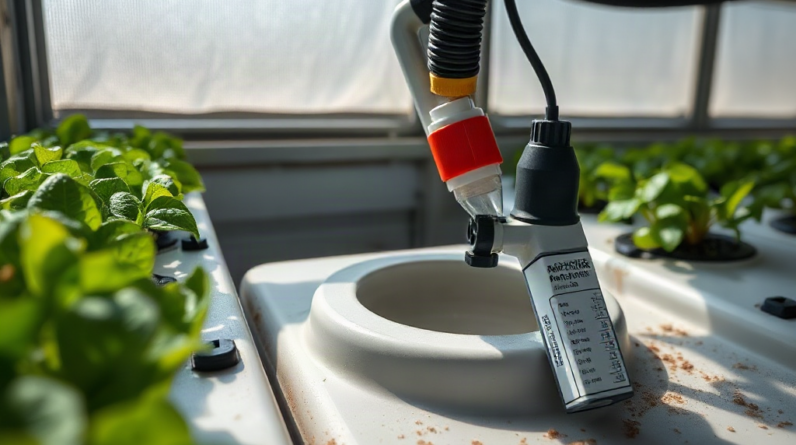
PH balance is vital in hydroponics, as it affects nutrient availability. A pH that is too high or too low can prevent plants from absorbing essential nutrients, leading to deficiencies. Regular monitoring and adjustments are necessary to keep pH levels within the optimal range.
Growers should use pH meters and adjust solutions with pH up or down products as needed. A consistent routine of checking and adjusting pH can prevent many common growth issues.
Common Environmental Mistakes
Environmental conditions, such as temperature and humidity, also play a significant role in hydroponic success. Many beginners overlook the importance of maintaining stable temperatures and humidity levels, which can lead to stress on plants.
Implementing a climate control system can help maintain optimal conditions. This includes using fans, heaters, and humidifiers to create a stable environment that promotes healthy growth.
Further Reading
Authoritative Sources
- USDA National Institute of Food and Agriculture
nifa.usda.govResearch and extension resources related to agriculture, plants, soil, and food systems
- Extension Foundation Gardening Resources
extension.orgUniversity extension education resources for practical gardening and home agriculture topics
- USDA Natural Resources Conservation Service
nrcs.usda.govSoil, water, conservation, and land management resources for practical growing decisions
Frequently Asked Questions
What are the most common mistakes in hydroponics?
The most common mistakes include improper nutrient management, inadequate lighting, neglecting pH balance, and failing to maintain stable environmental conditions.
How often should I check nutrient levels in hydroponics?
Nutrient levels should be checked at least once a week, or more frequently during periods of rapid plant growth.
What type of lighting is best for hydroponic systems?
Full-spectrum LED grow lights are ideal as they provide the necessary light spectrum for various growth stages and are energy-efficient.
How can I maintain pH levels in my hydroponic system?
Regularly test the pH of your nutrient solution and use pH up or down products to adjust as necessary to keep levels between 5.5 and 6.5.
What environmental factors should I monitor in hydroponics?
Monitor temperature, humidity, and airflow to create a stable growing environment that supports healthy plant growth.
Conclusion
In conclusion, avoiding common mistakes when starting hydroponic systems is essential for successful plant growth. Focus on proper nutrient management, appropriate lighting, and maintaining pH balance to create a thriving environment. Regular monitoring of environmental conditions will further enhance your hydroponic gardening experience. By prioritizing these aspects, you can maximize yields and enjoy the benefits of growing plants hydroponically.