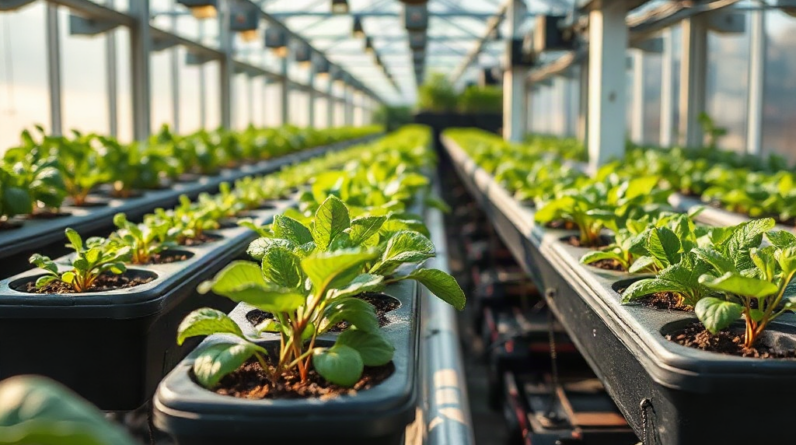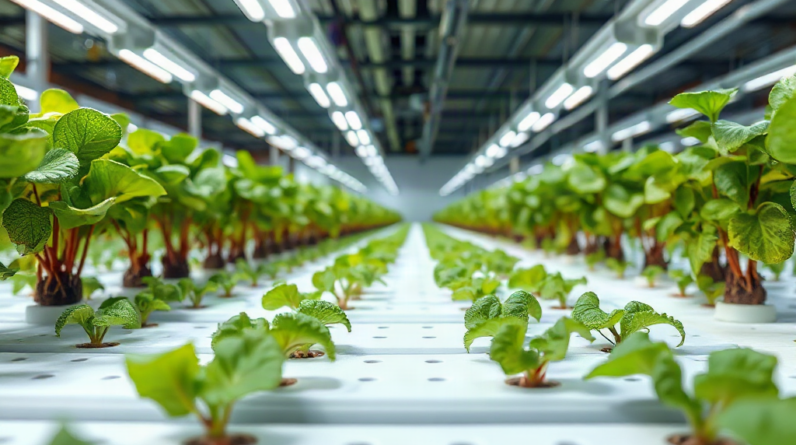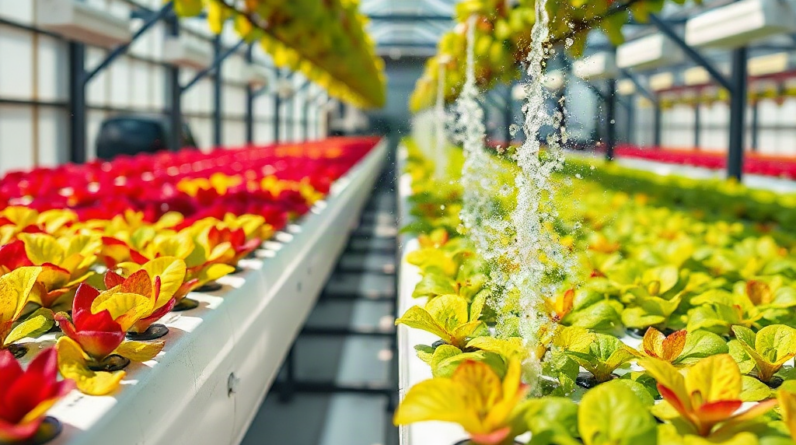
Inconsistent growth in hydroponics can be resolved by carefully evaluating and adjusting the nutrient solution, pH levels, and environmental conditions. Nutrient imbalances, incorrect pH, and suboptimal light conditions are common culprits that hinder plant development. By addressing these factors, you can create an environment that promotes consistent and healthy growth.
Understanding the key components of hydroponic systems is crucial. Nutrient solutions must be tailored to the specific needs of your plants, as deficiencies can lead to stunted growth or even plant death. Regularly testing and adjusting the pH of your nutrient solution is equally important; a pH level that is too high or too low can affect nutrient uptake. Moreover, ensure that your plants are receiving adequate light for photosynthesis, as insufficient light can severely limit growth.
Understanding Nutrient Solutions
The nutrient solution is the lifeblood of any hydroponic system. It provides essential minerals and nutrients that plants need to thrive. An imbalance in this solution can lead to nutrient deficiencies or toxicities, both of which can result in inconsistent growth. Conduct regular tests to ensure that your nutrient solution contains the correct ratios of nitrogen, phosphorus, potassium, and trace elements.
When formulating your nutrient solution, consider the specific growth stage of your plants. For example, seedlings require different nutrient concentrations than mature plants. Additionally, the water quality used to mix your solution can impact nutrient availability; using distilled or filtered water is often recommended to avoid contaminants.
Importance of pH Levels
Maintaining proper pH levels is crucial for optimal nutrient uptake in hydroponic systems. The ideal pH range for most hydroponic crops is between 5.5 and 6.5. If the pH deviates from this range, plants may struggle to absorb essential nutrients, leading to poor growth and development.
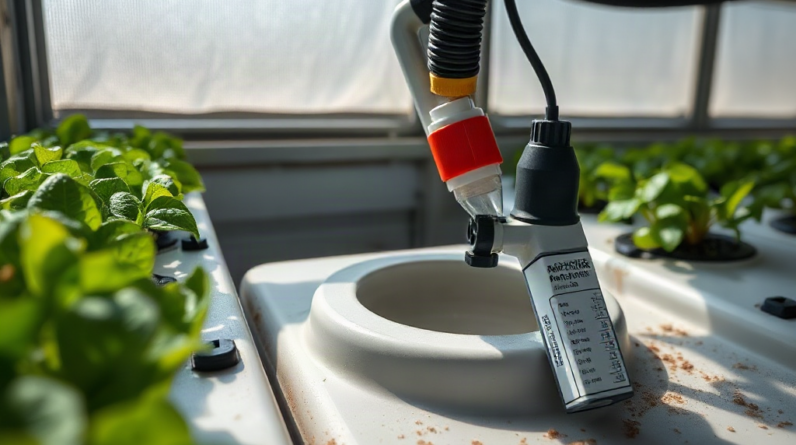
Regularly testing your nutrient solution’s pH and making necessary adjustments is essential. You can use pH up or down solutions to correct imbalances. Additionally, consider investing in a quality pH meter for accurate readings. Monitoring pH should be part of your routine maintenance to ensure consistent plant growth.
Optimal Environmental Conditions
Environmental factors such as light intensity, temperature, and humidity play a significant role in plant growth. Inconsistent light exposure can lead to uneven growth patterns, while improper temperature can stress plants, hindering their development. Ensure that your hydroponic setup includes adequate lighting based on the specific needs of your plants, typically between 12 to 16 hours of light per day.
Temperature should ideally be maintained between 65°F and 75°F (18°C to 24°C) during the day, with a slight drop at night. Humidity levels should also be monitored, as too much moisture can lead to mold or mildew, while too little can cause wilting. Using fans and dehumidifiers can help regulate these conditions effectively.
Common Mistakes to Avoid
Several common mistakes can lead to inconsistent growth in hydroponics. Over-fertilization is a frequent issue, as many growers assume that more nutrients will yield better results. In reality, this can lead to nutrient burn and plant stress. Conversely, under-fertilization can result in nutrient deficiencies and poor growth.
Another mistake is neglecting regular maintenance checks on your hydroponic system. Failing to monitor water levels, nutrient concentrations, and environmental conditions can cause significant problems. Establish a routine for checking and adjusting these factors to keep your plants healthy and growing consistently.
Further Reading
Authoritative Sources
- Hydroponics.org
hydroponics.orgA comprehensive resource for understanding hydroponic systems and nutrient management
- Gardening Know How
gardeningknowhow.comOffers detailed articles on hydroponic gardening techniques and troubleshooting tips
Frequently Asked Questions
What causes inconsistent growth in hydroponics?
Inconsistent growth in hydroponics is often caused by nutrient imbalances, incorrect pH levels, and inadequate light exposure, all of which can hinder plant development.
How often should I check my nutrient solution?
It is recommended to check your nutrient solution at least once a week to ensure the right balance and concentration of nutrients.
What is the ideal pH level for hydroponics?
The ideal pH level for most hydroponic crops is between 5.5 and 6.5 to ensure optimal nutrient uptake.
How can I improve light conditions for my plants?
Improve light conditions by providing adequate artificial lighting for 12 to 16 hours per day, ensuring that the light intensity matches the needs of your specific plants.
What are common mistakes in hydroponic gardening?
Common mistakes include over-fertilization, neglecting regular maintenance checks, and failing to monitor environmental conditions, which can all affect plant growth consistency.
Conclusion
To achieve consistent growth in hydroponics, focus on maintaining balanced nutrient solutions, proper pH levels, and optimal environmental conditions. Regularly monitor and adjust these factors to avoid common pitfalls that can hinder plant health. By prioritizing these aspects, you will create a thriving hydroponic system that supports healthy and consistent plant growth.