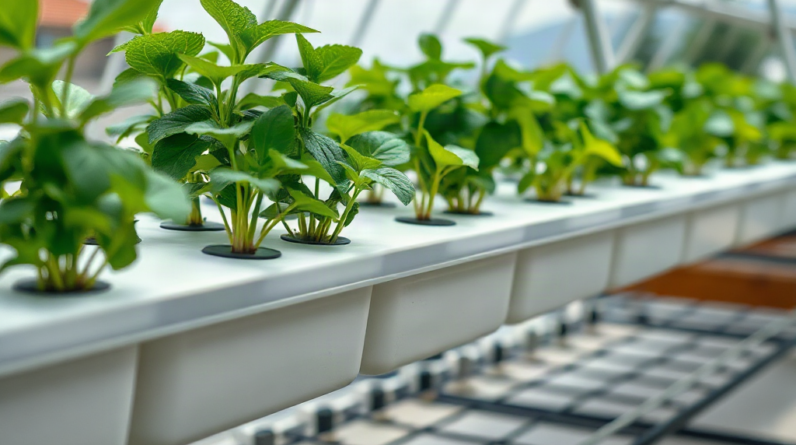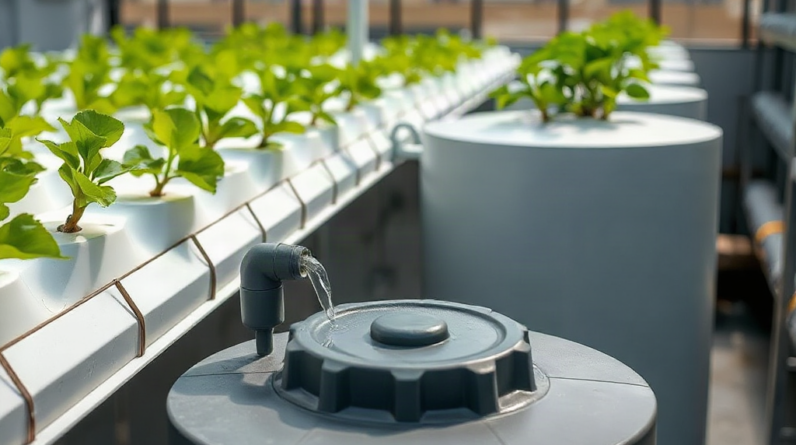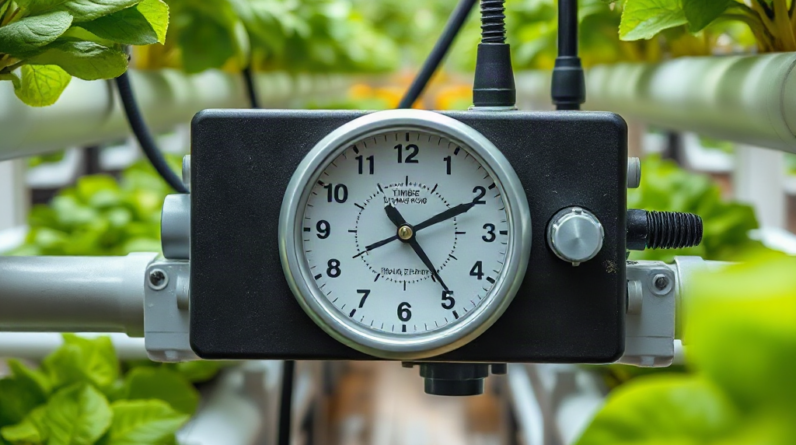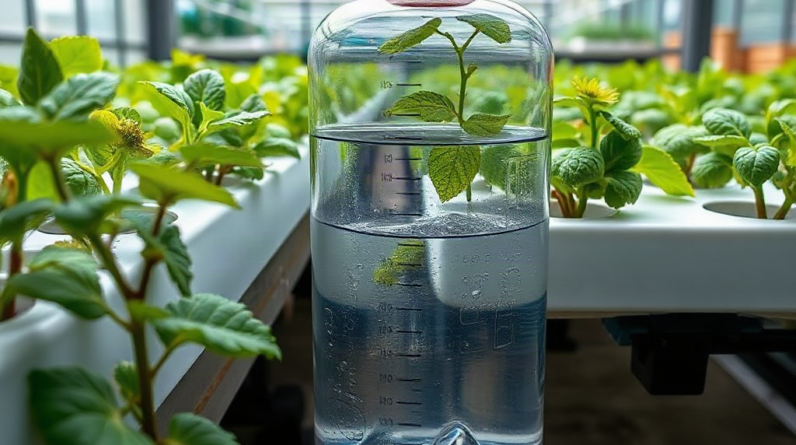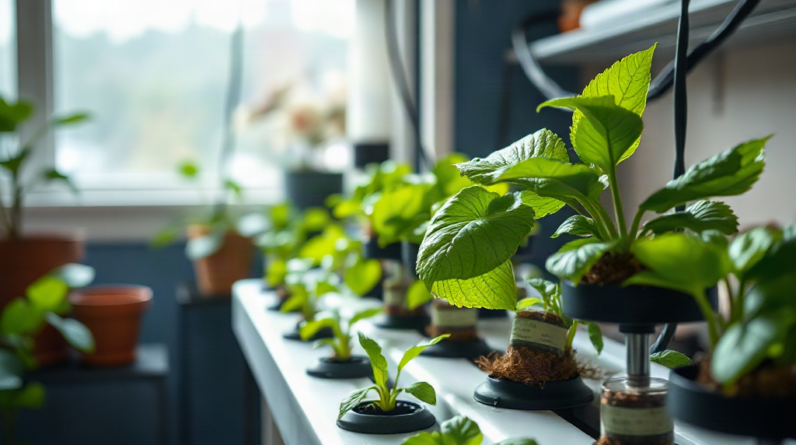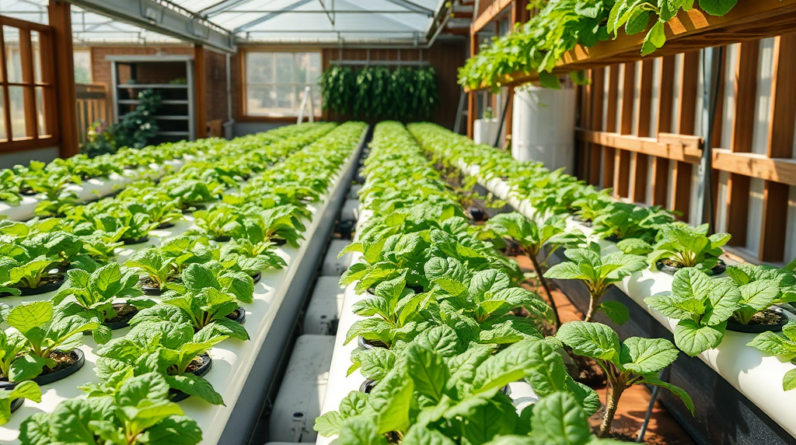
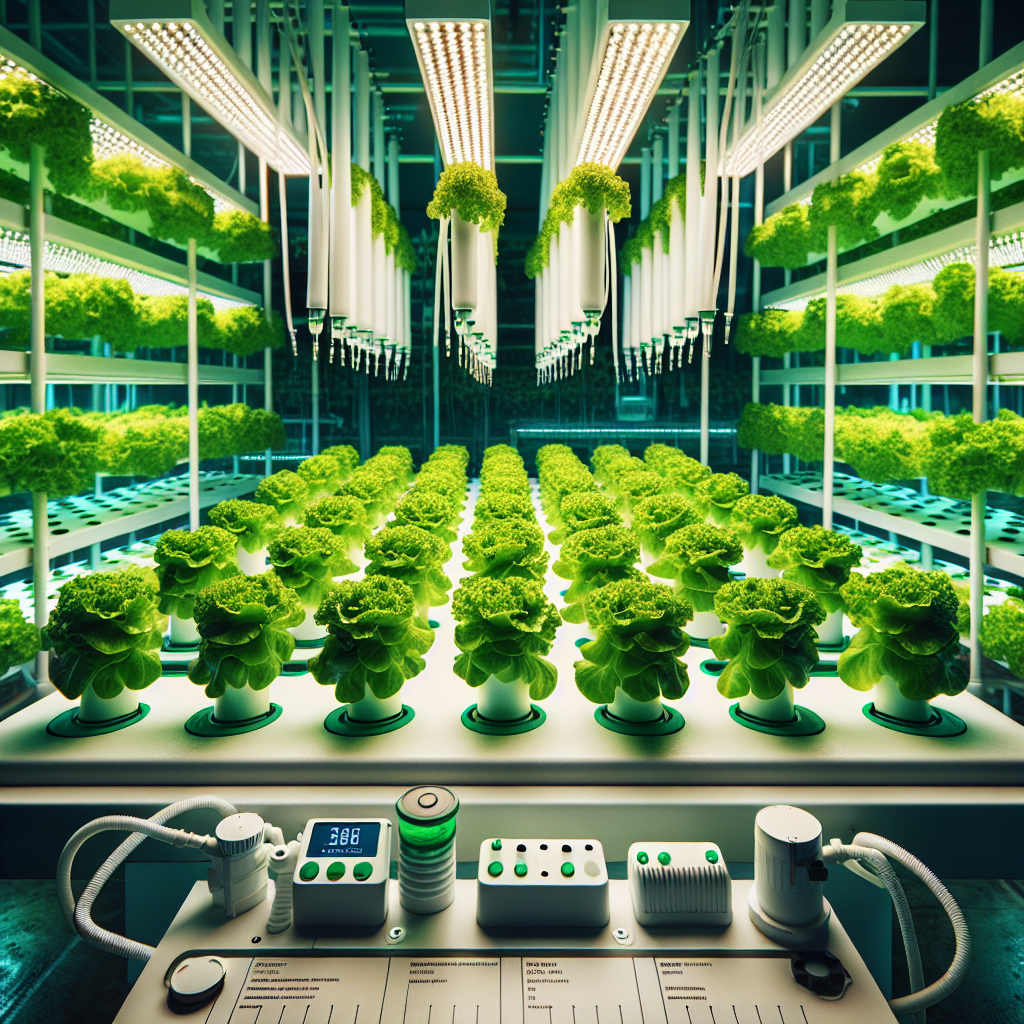
Maintaining pH stability in hydroponics is essential for optimal plant health and productivity, as fluctuations can significantly impact nutrient uptake and overall growth. A pH imbalance can lead to nutrient deficiencies, affecting plant vigor and yield. Factors such as nutrient imbalances, water quality, and environmental conditions often contribute to pH instability in hydroponic systems.
To effectively manage pH levels, growers should prioritize regular monitoring and adjustments. Frequent testing of the nutrient solution is crucial, as pH can shift due to the introduction of new nutrients or changes in water chemistry. Additionally, using high-quality water is vital; contaminants or impurities can alter pH levels, making it imperative to employ proper filtration and treatment methods.
Understanding pH and Its Role in Hydroponics
PH is a measure of the acidity or alkalinity of a solution, and it plays a pivotal role in nutrient availability for hydroponic plants. Most nutrients are optimally absorbed within a specific pH range, typically between 5.5 and 6.5 for most hydroponic crops. When pH levels drift outside this range, plants may struggle to absorb essential nutrients, leading to deficiencies and stunted growth.
Growers must recognize that each plant species may have slightly different pH preferences, which can influence how pH adjustments should be made. For example, leafy greens may thrive at a lower pH compared to fruiting plants. Understanding these nuances is crucial for tailored nutrient management.
Common Causes of pH Instability
Several factors contribute to pH fluctuations in hydroponic systems. One major cause is the introduction of nutrients, which can alter the pH of the solution. Some fertilizers are acidic, while others are alkaline, and their application can lead to significant shifts in pH levels.
Water quality is another critical factor. Tap water may contain varying levels of minerals and chemicals, such as chlorine or calcium, which can impact pH. Environmental conditions, such as temperature and light intensity, also play a role; increased temperatures can accelerate evaporation and concentration of nutrients, leading to pH changes.
- Nutrient Imbalances: Over-fertilization or incorrect nutrient ratios can push pH levels outside the optimal range.
- Water Quality: Contaminants in water sources can alter pH levels dramatically.
- Environmental Factors: Temperature fluctuations and light exposure can change the chemical dynamics of the nutrient solution.
Monitoring and Adjusting pH Levels
Regular monitoring of pH levels is vital for maintaining stability in hydroponic systems. Growers should test pH at least once a week, using reliable pH meters or test kits. If pH levels drift outside the desired range, adjustments should be made promptly to avoid negative impacts on plant health.
When adjusting pH, it’s essential to do so gradually. Sudden changes can shock plants and lead to further issues. For lowering pH, acid solutions such as phosphoric or citric acid can be used, while sodium bicarbonate or potassium hydroxide can be employed to raise pH. Always follow manufacturer guidelines for dosage to avoid overcorrection.
Best Practices for Maintaining pH Stability
To effectively maintain pH stability in hydroponics, implement the following best practices:
- Regular Testing: Conduct routine pH tests and monitor nutrient levels to catch fluctuations early.
- Quality Water Source: Use filtered or reverse osmosis water to minimize contaminants.
- Careful Nutrient Management: Apply fertilizers based on specific plant needs and avoid over-fertilization.
By following these practices, growers can significantly reduce the challenges associated with maintaining pH stability in hydroponics, leading to healthier plants and improved yields.
For those seeking more in-depth information on maintaining pH stability in hydroponics, consider exploring resources from agricultural extensions or hydroponic research organizations. These sources often provide practical guides and research findings that can enhance your understanding and management strategies.
Further Reading
Authoritative Sources
- USDA National Institute of Food and Agriculture
nifa.usda.govResearch and extension resources related to agriculture, plants, soil, and food systems
- Extension Foundation Gardening Resources
extension.orgUniversity extension education resources for practical gardening and home agriculture topics
- USDA Natural Resources Conservation Service
nrcs.usda.govSoil, water, conservation, and land management resources for practical growing decisions
Frequently Asked Questions
What is the ideal pH range for hydroponics?
The ideal pH range for most hydroponic plants is between 5.5 and 6.5, where nutrient absorption is optimal.
How often should I check pH levels in hydroponics?
It is recommended to check pH levels at least once a week or more frequently during periods of rapid growth.
What can cause pH to drop in a hydroponic system?
PH can drop due to the accumulation of organic acids from plant metabolism or the use of acidic fertilizers.
Can I use tap water in hydroponics?
Yes, but it is advisable to test the tap water for contaminants and minerals that can affect pH levels.
What should I do if my pH is too high?
If pH is too high, gradually add an acid solution, such as phosphoric acid, to lower it without shocking the plants.
Conclusion
Maintaining pH stability in hydroponics is critical for ensuring optimal nutrient uptake and healthy plant growth. Regular monitoring, understanding the factors that influence pH, and implementing best practices are essential strategies for addressing the challenges of pH management. By focusing on these areas, growers can improve their hydroponic systems and achieve better yields.
Related Content
- Deciding Between Deep Water Culture and NFT Systems: Key Differences and Practical Applications
- Impact of Oxygen Levels on Hydroponic Growth: Understanding Key Factors and Benefits
- Growing Hydroponic Vegetables: Unlocking the Secrets of Soil-less Farming
- How To Create A Hydroponic Pest Control Strategy Without Disrupting Beneficial Insects
- Effect of Temperature on Hydroponic Plant Health: Key Factors and Impacts