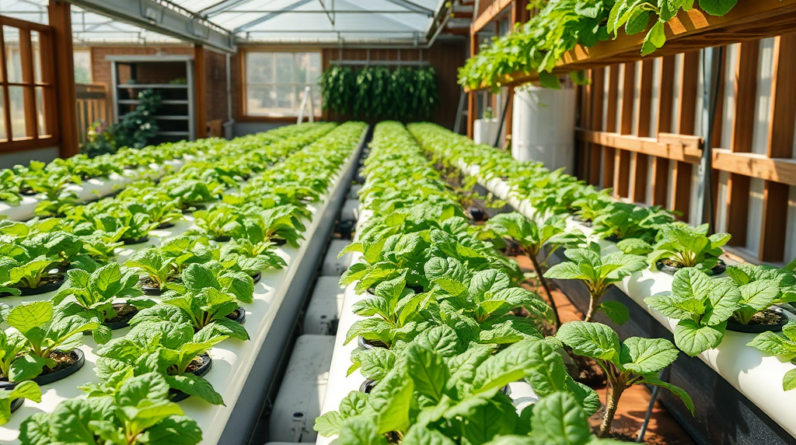
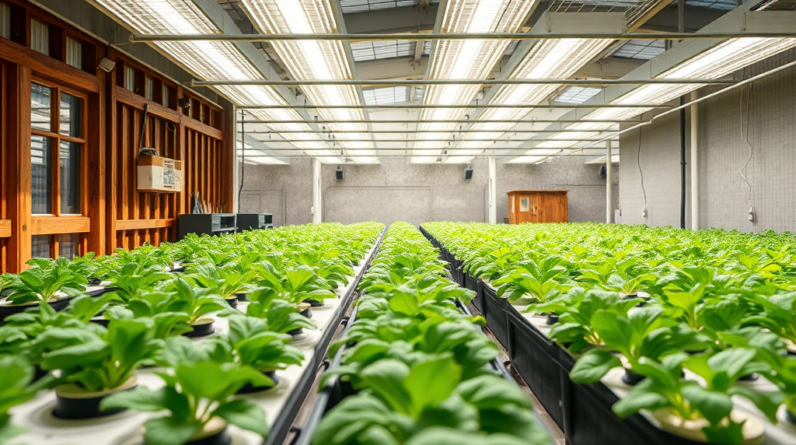
The effect of temperature on hydroponic plant health is profound, as it directly influences growth rates, nutrient uptake, and overall vitality. Maintaining temperatures between 70°F and 75°F is essential for optimal plant performance, while extremes can lead to stress, reduced yields, and increased disease susceptibility. High temperatures above 80°F can cause wilting and hinder photosynthesis, while low temperatures below 60°F can delay growth and flowering. Growers should regularly monitor temperature fluctuations and adjust their systems accordingly to prevent nutrient depletion and ensure a balanced environment that supports healthy plant development.
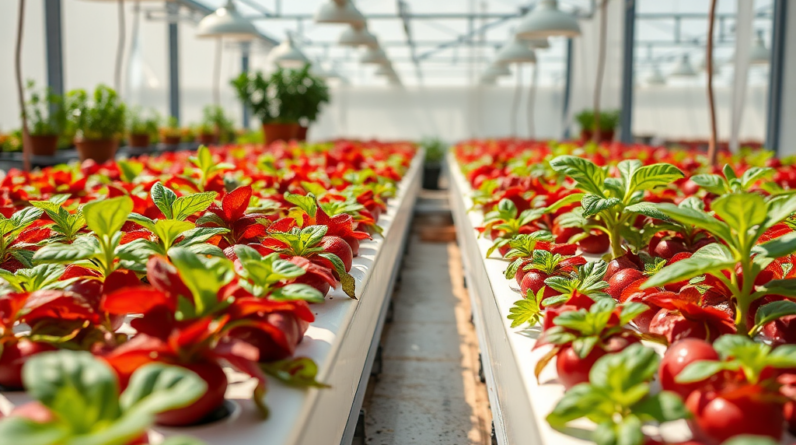
Temperature fluctuations can also affect the pH and nutrient availability in the hydroponic solution. For instance, higher temperatures can increase the solubility of nutrients but may also accelerate their depletion. Conversely, lower temperatures can slow down nutrient uptake, leading to deficiencies. Therefore, growers must carefully monitor and regulate the temperature to create a balanced environment that fosters healthy plant development.
Impact of Temperature Extremes on Plant Health
Temperature extremes can have detrimental effects on hydroponic plants. High temperatures, often above 80°F, can lead to wilting, reduced photosynthesis, and increased respiration rates, resulting in stunted growth. On the other hand, temperatures below 60°F can inhibit growth and delay flowering. Understanding the specific temperature tolerance of each plant variety is vital to mitigate these risks and ensure optimal health.
Plants under temperature stress may exhibit symptoms such as leaf curl, discoloration, or even complete wilting. These signs indicate that the plants are struggling to adapt to their environment. Growers need to act quickly to address these conditions, whether through adjusting the ambient temperature or improving airflow to cool the plants.
Optimal Temperature Ranges for Common Hydroponic Crops
Different hydroponic crops have varying temperature preferences. For example, leafy greens like lettuce thrive at temperatures around 65°F to 70°F, while fruiting plants like tomatoes prefer slightly warmer conditions, typically between 70°F to 80°F. Understanding these optimal ranges helps growers select crops that are suited for their specific system and conditions.
Moreover, during critical growth phases such as germination and flowering, temperature management becomes even more crucial. For instance, maintaining higher temperatures during germination can improve seedling vigor, while cooler temperatures during flowering can enhance fruit quality. Growers should tailor their temperature management strategies based on the lifecycle stage of the crops.
Temperature Control Methods in Hydroponics
Maintaining the proper temperature in hydroponic systems can be achieved through several methods. Heating mats can help warm the root zone in cooler conditions, while fans and ventilation systems can cool the air during hot periods. Additionally, using insulated grow rooms or greenhouses can help stabilize temperatures and reduce the impact of external weather conditions.
Automated climate control systems equipped with temperature sensors can significantly enhance temperature regulation, allowing for real-time adjustments based on environmental changes. This technology not only saves time but also ensures that plants remain within their optimal temperature range throughout their growth cycle.
Common Mistakes in Temperature Management
One of the most common mistakes in hydroponic systems is neglecting to monitor temperature fluctuations. Many growers assume that their systems maintain a consistent temperature, but external factors can lead to significant variations. Regularly checking temperature levels and making adjustments is crucial to prevent stress and ensure plant health.
Another mistake is failing to consider the effects of humidity, which can compound temperature issues. High humidity combined with elevated temperatures can create a breeding ground for diseases, while low humidity can lead to rapid moisture loss from plants. Balancing both temperature and humidity is essential for maintaining a healthy hydroponic environment.
For additional insights into managing temperature in hydroponic systems, consider consulting resources from agricultural extension services or hydroponics specialists. Websites dedicated to hydroponic techniques often provide detailed information on temperature management strategies.
Further Reading
Authoritative Sources
- USDA National Institute of Food and Agriculture
nifa.usda.govResearch and extension resources related to agriculture, plants, soil, and food systems.
- Extension Foundation Gardening Resources
extension.orgUniversity extension education resources for practical gardening and home agriculture topics.
- USDA Natural Resources Conservation Service
nrcs.usda.govSoil, water, conservation, and land management resources for practical growing decisions.
Frequently Asked Questions
What is the ideal temperature for hydroponic plants?
The ideal temperature for most hydroponic plants is between 70°F to 75°F, but it can vary by crop type.
How does temperature affect nutrient uptake?
Temperature influences nutrient solubility and absorption rates; higher temperatures can increase nutrient availability but also lead to faster depletion.
Can extreme temperatures kill hydroponic plants?
Yes, extreme temperatures can cause severe stress or death in hydroponic plants, particularly if they exceed the tolerance levels for prolonged periods.
What are the signs of temperature stress in plants?
Signs include wilting, leaf curl, discoloration, and stunted growth, indicating the plants are struggling to adapt.
How can I regulate temperature in my hydroponic system?
Temperature can be regulated using heating mats, fans, ventilation systems, and automated climate control systems for real-time adjustments.
Conclusion
Understanding the effect of temperature on hydroponic plant health is essential for achieving optimal growth and yield. Growers must monitor and manage temperatures effectively, considering the specific needs of their crops. By implementing proper temperature control methods and avoiding common pitfalls, hydroponic gardeners can enhance plant health and productivity, leading to successful harvests.