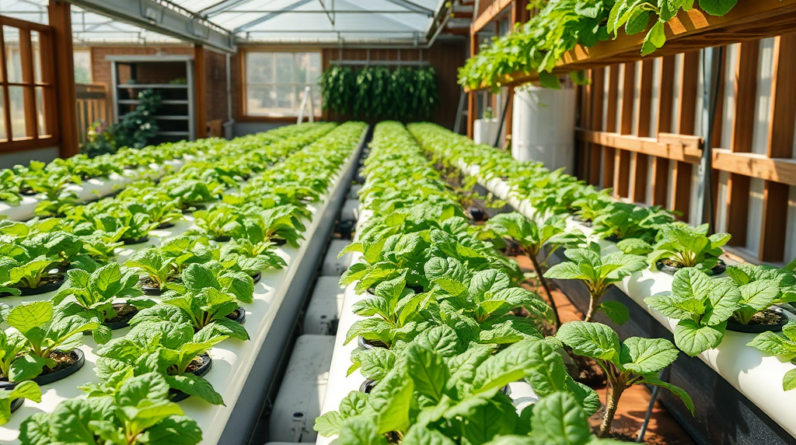
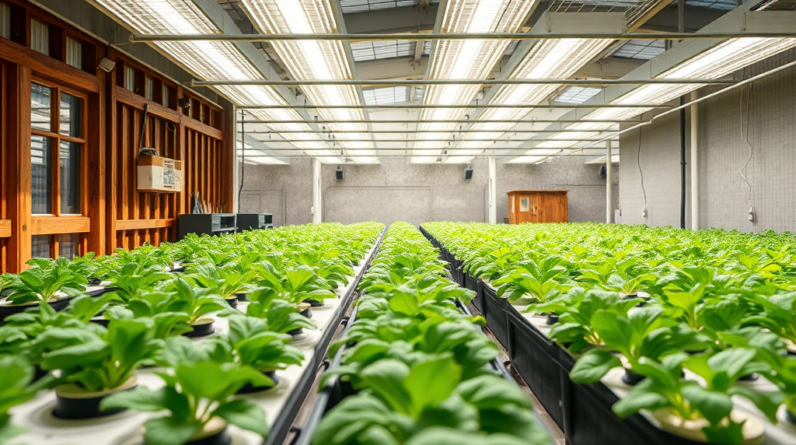
Using tap water in hydroponics can introduce harmful contaminants that jeopardize plant health. Common issues include chlorine and chloramine, which can damage roots and hinder nutrient absorption, as well as heavy metals like lead and copper that can accumulate and become toxic. To safeguard your plants, it's essential to regularly test your water for these substances and consider implementing filtration systems to remove them. This proactive approach not only enhances plant growth but also improves overall crop yield and quality, ensuring a successful hydroponic operation.
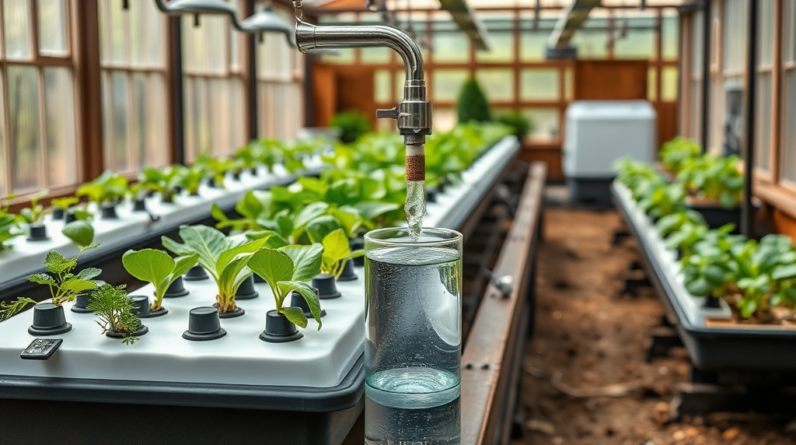
Moreover, pathogens present in tap water can introduce diseases into your hydroponic system, causing rot and other health issues for your plants. Such risks necessitate a proactive approach, including regular water testing and potential filtration systems to remove harmful substances before they can affect your crops. Failing to address these issues can result in poor plant growth, reduced yields, and wasted resources.
Identifying Contaminants in Tap Water
Identifying contaminants in tap water is the first step to understanding its risks in hydroponics. Common contaminants include chlorine, which is often used to disinfect drinking water, and heavy metals like lead and copper that can leach from pipes. Understanding the specific contaminants in your water source allows for targeted mitigation strategies.
Testing water samples regularly is crucial to identify these substances accurately. Home testing kits are widely available and can provide immediate feedback on the presence of harmful elements. Knowing your water quality allows you to make informed decisions regarding treatment and filtration options.
Impact of Contaminants on Plant Health
The impact of contaminants from tap water on plant health can be significant. Chlorine and chloramine can cause root damage, leading to stunted growth and poor nutrient uptake. Heavy metals can accumulate in plant tissues, leading to toxicity that affects overall plant health and productivity.
Moreover, pathogens introduced through contaminated water can lead to diseases like root rot, which can quickly devastate a hydroponic system. Recognizing these impacts emphasizes the importance of ensuring clean and safe water for your plants.
Testing and Filtration Methods
Testing and filtration methods are essential in managing the risks associated with tap water in hydroponics. Regular testing can help identify harmful substances, allowing for timely interventions. Various filtration systems, such as activated carbon filters or reverse osmosis systems, can effectively remove contaminants.
Implementing a filtration system tailored to your water quality needs can help ensure that your plants receive clean water. Regular maintenance and monitoring of these systems are also critical to maintaining their effectiveness over time.
Best Practices for Water Management
Best practices for water management in hydroponics include using treated water, regularly testing water quality, and implementing a robust filtration system. Understanding the specific needs of your plants and the quality of your water source can guide your management practices.
Additionally, maintaining a clean hydroponic system and monitoring for signs of disease can help mitigate risks associated with tap water use. Prioritizing these practices ensures a healthy growing environment and maximizes crop yields.
Further Reading
Authoritative Sources
- USDA National Institute of Food and Agriculture
nifa.usda.govResearch and extension resources related to agriculture, plants, soil, and food systems.
- Extension Foundation Gardening Resources
extension.orgUniversity extension education resources for practical gardening and home agriculture topics.
- USDA Natural Resources Conservation Service
nrcs.usda.govSoil, water, conservation, and land management resources for practical growing decisions.
Frequently Asked Questions
What are the main contaminants in tap water that affect hydroponics?
Main contaminants include chlorine, heavy metals (like lead and copper), and pathogens that can harm plant health.
How does chlorine affect hydroponic plants?
Chlorine can damage root systems, leading to stunted growth and reduced nutrient uptake in hydroponic plants.
Can I use tap water without testing it?
Using tap water without testing it can pose risks; contaminants can negatively impact plant health and growth.
What filtration methods are best for hydroponic systems?
Activated carbon filters and reverse osmosis systems are effective for removing harmful contaminants from tap water.
How often should I test my water quality?
It is recommended to test your water quality at least once a month to monitor for contaminants and ensure plant health.
Conclusion
In closing, the risks of using tap water in hydroponics primarily stem from contaminants that can harm plant health and yield. Regular testing and appropriate filtration methods are essential for mitigating these risks. By prioritizing water quality management, hydroponic growers can ensure a healthier growing environment, leading to improved plant growth and productivity. Take proactive steps to assess and improve your water quality today for better results in your hydroponic systems.