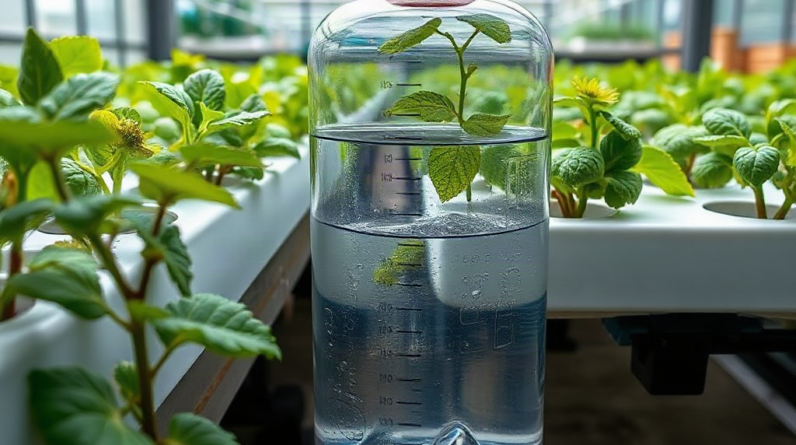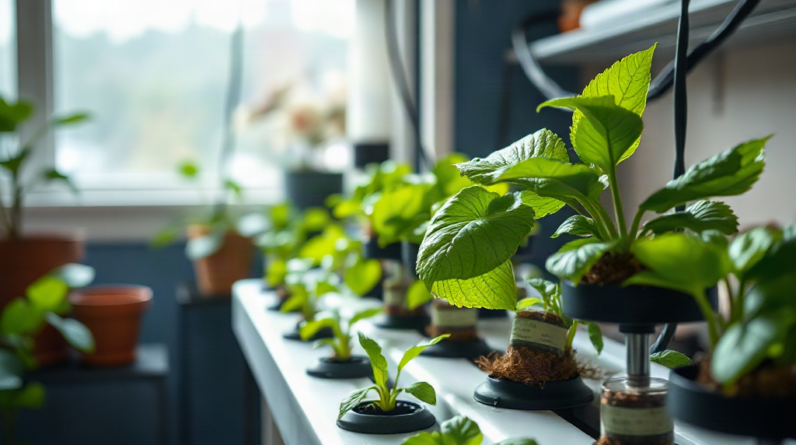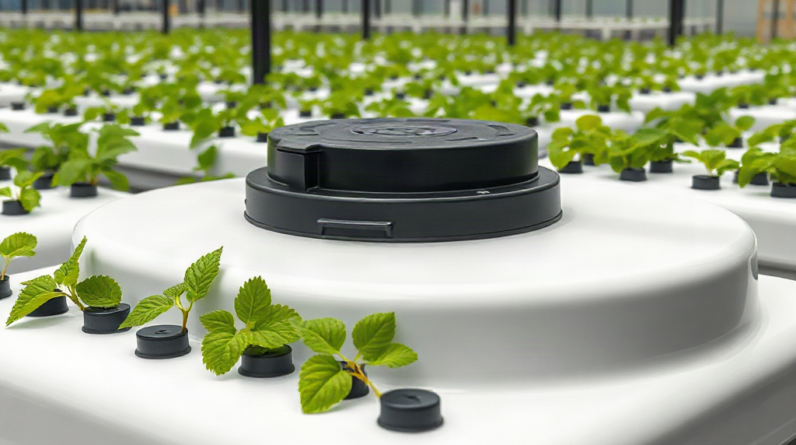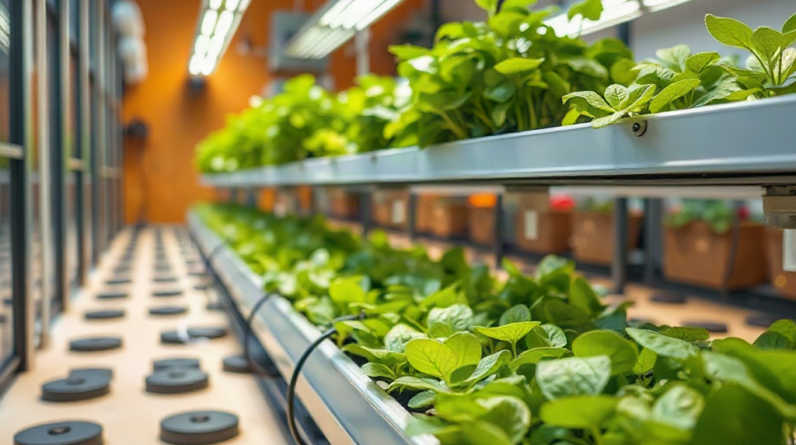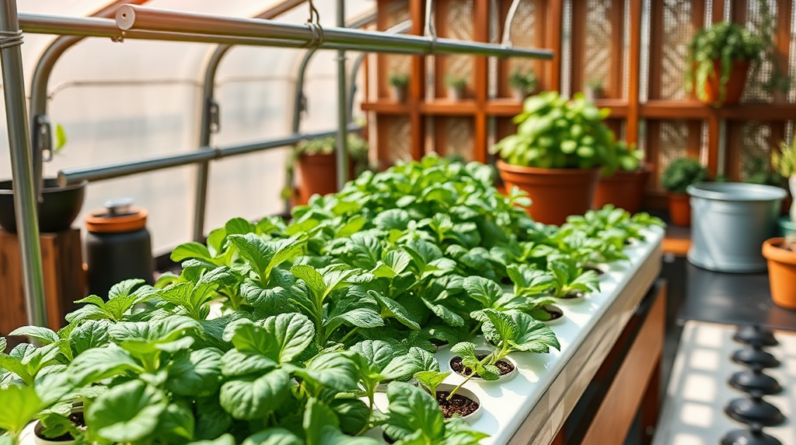
Choosing the right hydroponic system for specific crops requires a clear understanding of each plant’s unique requirements, including nutrient uptake, growth habits, and environmental needs. For example, leafy greens like lettuce and spinach adapt well to nutrient film technique (NFT) systems, which allow for efficient nutrient delivery, while fruiting plants such as tomatoes and peppers may perform better in deep water culture (DWC) systems that provide ample oxygenation and nutrient access.
Prioritizing the right system is crucial, as common mistakes include selecting systems that do not align with crop needs, leading to poor growth and low yields. Factors like plant spacing, light requirements, and water circulation must also be considered. For instance, crowded setups can hinder growth, while inadequate lighting can stunt development. Assessing these components upfront helps in making informed decisions that enhance productivity.
Moreover, understanding the trade-offs between different hydroponic systems can guide you to the best choice for your crops. For instance, while aeroponic systems may yield faster growth rates, they require more technical knowledge and maintenance compared to simpler systems like wick or Kratky methods. Balancing your expertise with the crop’s needs will lead to successful hydroponic gardening.
Understanding Hydroponic Systems
The foundation of hydroponic gardening lies in selecting the right system that meets the individual needs of various crops. There are several types of hydroponic systems, including deep water culture, aeroponics, and nutrient film technique. Each system has specific advantages and limitations that can significantly impact crop performance.
For example, deep water culture is favored for its simplicity and effectiveness in growing larger fruiting plants, but it requires careful monitoring of oxygen levels. Conversely, aeroponic systems, while potentially yielding faster growth rates, demand more technical expertise and maintenance. Understanding these distinctions is vital to aligning your choice with the crops you intend to cultivate.
Crop-Specific Hydroponic Needs
Different crops have varying requirements that influence which hydroponic system will be most effective. Leafy greens typically thrive in systems that provide constant nutrient flow, like nutrient film technique (NFT), which allows roots to absorb nutrients efficiently. On the other hand, fruiting crops like cucumbers and tomatoes benefit from systems that can support larger root systems and provide oxygen-rich environments.
When deciding on a system, consider not just the type of crop but also its growth stage. For instance, young seedlings may require different conditions than mature plants. Understanding these nuances will help optimize plant health and yield.
Common Mistakes and Pitfalls
Many hydroponic gardeners encounter pitfalls that can hinder their success. A frequent mistake is underestimating the importance of light; insufficient lighting can lead to stunted growth and poor yields. Additionally, neglecting to adjust nutrient concentrations based on plant growth stages can result in nutrient deficiencies or toxicities.
Another common error is overcrowding plants, which can lead to competition for light and nutrients. Proper spacing is essential to ensure each plant has adequate access to resources. By acknowledging these common mistakes, you can take proactive measures to mitigate them and enhance your hydroponic garden’s success.
Evaluating System Trade-offs
When selecting a hydroponic system, it is crucial to evaluate the trade-offs associated with each option. For example, while aeroponic systems may offer rapid growth, they also require more complex management of water and nutrient delivery systems. On the other hand, simpler systems like wick or Kratky methods may be easier to maintain but could yield slower growth rates.
Weighing these factors against your gardening expertise and the specific needs of your crops will help you make an informed decision. Consider starting with a simpler system if you are new to hydroponics, and gradually progress to more advanced systems as you gain experience.
Further Reading
Authoritative Sources
- USDA National Institute of Food and Agriculture
nifa.usda.govResearch and extension resources related to agriculture, plants, soil, and food systems
- Extension Foundation Gardening Resources
extension.orgUniversity extension education resources for practical gardening and home agriculture topics
- USDA Natural Resources Conservation Service
nrcs.usda.govSoil, water, conservation, and land management resources for practical growing decisions
Frequently Asked Questions
What is the best hydroponic system for leafy greens?
Nutrient film technique (NFT) systems are often ideal for leafy greens due to their efficient nutrient delivery and space-saving design.
How do I choose the right hydroponic system for tomatoes?
Deep water culture or aeroponic systems are recommended for tomatoes as they provide the necessary oxygen and nutrients for healthy fruit production.
What common mistakes should I avoid in hydroponics?
Common mistakes include overcrowding plants, inadequate lighting, and improper nutrient management, which can all negatively affect growth.
Can I grow different crops in the same hydroponic system?
It is possible but requires careful management of nutrient needs and environmental conditions to ensure all crops thrive.
How often should I monitor my hydroponic system?
Daily monitoring is recommended, especially for nutrient levels, pH balance, and plant health, to ensure optimal growing conditions.
Conclusion
In summary, deciding on the right hydroponic system for specific crops is crucial for achieving optimal growth and yield. Understanding the unique needs of each plant, avoiding common pitfalls, and evaluating the trade-offs of different systems will empower you to make informed decisions. By prioritizing these factors, you can create a thriving hydroponic garden that meets your specific crop requirements and fosters successful cultivation.
Related Content
- How to Grow Herbs Indoors Using Hydroponics
- Hydroponic Water Pump Setup: Essential Steps for Efficient Plant Growth
- How to Approach Hydroponic Vegetable Breeding: Parent Selection, Trials, and Trait Stability
- Detecting Stagnant Zones in Hydroponic Channels Through Flow Tests, Dye Tracing, And Root Inspection
- Enjoy Farm-Fresh Produce Every Day