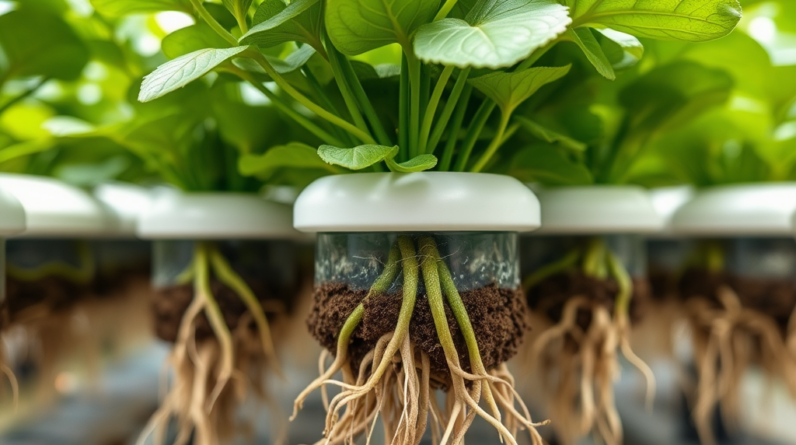
To choose the right hydroponic system for herbs, first evaluate your space and the specific herbs you intend to grow. Different systems, such as NFT, DWC, and aeroponics, cater to varying plant needs; for example, basil flourishes in systems that maintain consistent moisture, while rosemary prefers drier conditions. It's essential to match the system type with the growth habits of your herbs to avoid common pitfalls. Additionally, consider your budget and the level of maintenance each system requires, as some may demand more technical knowledge than others. Making informed choices will lead to a more successful and productive herb garden.
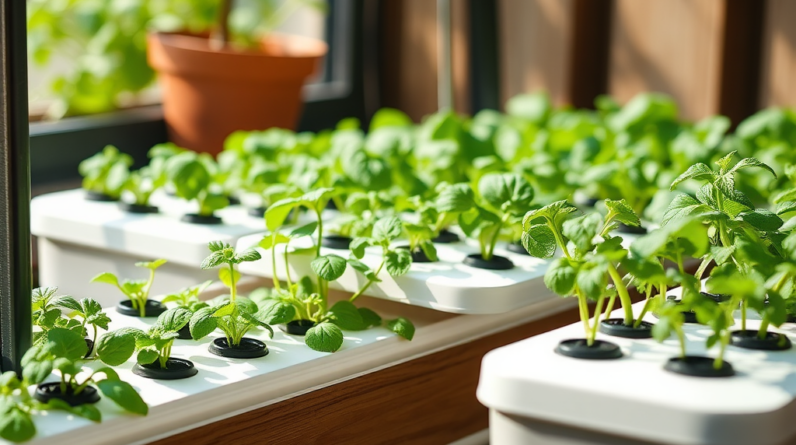
One common mistake is selecting a system without considering the herbs’ growth habits. For instance, basil thrives in systems that provide ample moisture and nutrients, while herbs like rosemary prefer drier conditions. Understanding these needs will help you avoid costly mistakes and ensure a successful harvest.
Understanding Hydroponic Systems
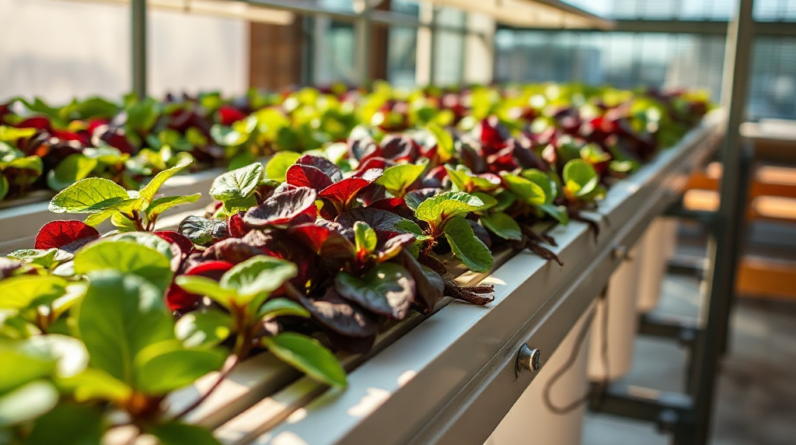
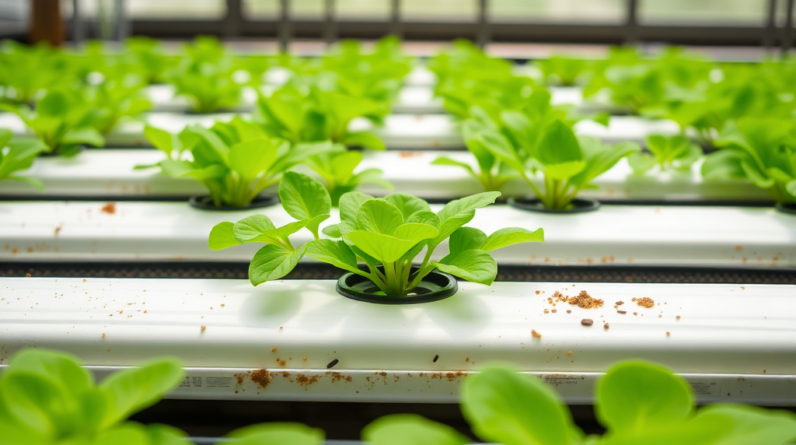
Hydroponic systems can be categorized into several types, including Nutrient Film Technique (NFT), Deep Water Culture (DWC), and aeroponics. Each system has its advantages and disadvantages depending on the herbs being grown. For example, NFT is efficient for fast-growing leafy greens, while DWC supports larger plants that require more nutrient solution.
When selecting a system, consider the specific requirements of your herbs. Some systems require more technical knowledge and maintenance, while others are simpler and more forgiving for beginners. Understanding your own comfort level with technology and maintenance can guide your decision.
Evaluating Your Space and Budget
Before investing in a hydroponic system, assess the space you have available for installation. Indoor systems might require additional lighting and climate control, while outdoor setups need to consider weather conditions. Measure your area to ensure that your chosen system fits comfortably.
Your budget will also play a key role in your decision. Hydroponic systems can range from inexpensive DIY setups to advanced commercial solutions. Factor in the ongoing costs of nutrients, electricity, and water when budgeting for your herb garden.
Choosing the Right System Type
When deciding on a hydroponic system, consider the specific needs of the herbs you want to grow. For example, if you plan to cultivate delicate herbs like cilantro or chives, a system that allows for gentle nutrient flow may be best. Conversely, robust herbs like thyme may thrive in a system that offers more aeration.
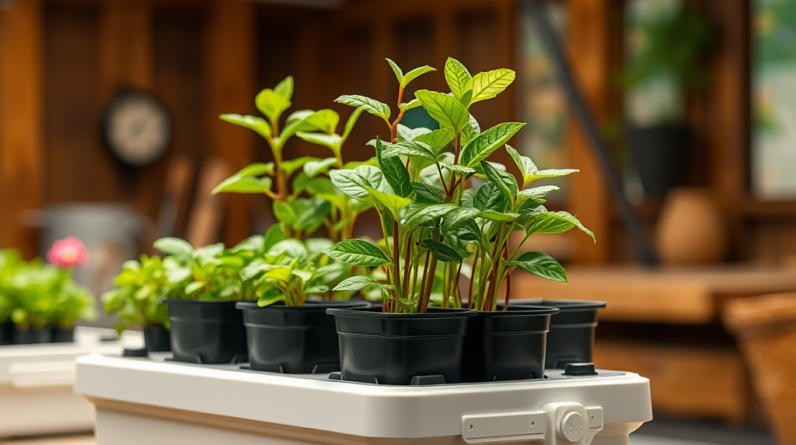
Each system type has its own setup complexity and maintenance requirements. Beginners may prefer simpler systems like Kratky or DWC, while experienced growers might opt for more complex systems that provide advanced control over nutrient delivery and environmental conditions.
Nutrient Delivery and Maintenance
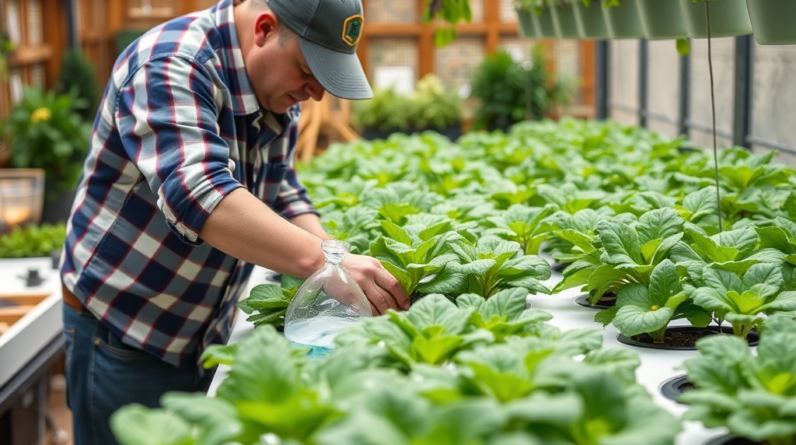
Proper nutrient delivery is crucial for successful hydroponic herb cultivation. Ensure that your system can deliver the right balance of nutrients tailored to the herbs you are growing. Regularly monitor pH levels and nutrient concentrations to prevent deficiencies or toxicities.
Maintenance is another key consideration. Some systems require regular cleaning and monitoring, while others may be more self-sufficient. Understanding the maintenance needs of your chosen system will help you plan for a successful gardening experience.
Further Reading
Authoritative Sources
- USDA National Institute of Food and Agriculture
nifa.usda.govResearch and extension resources related to agriculture, plants, soil, and food systems.
- Extension Foundation Gardening Resources
extension.orgUniversity extension education resources for practical gardening and home agriculture topics.
- USDA Natural Resources Conservation Service
nrcs.usda.govSoil, water, conservation, and land management resources for practical growing decisions.
Frequently Asked Questions
What is the easiest hydroponic system for beginners?
The Kratky method is often recommended for beginners due to its simplicity and low maintenance.
How much space do I need for a hydroponic herb garden?
Space requirements vary by system; however, a small countertop system can suffice for a few herb plants.
What herbs grow best in hydroponic systems?
Fast-growing herbs like basil, cilantro, and mint typically thrive in hydroponic systems.
How often should I change the nutrient solution?
It’s recommended to change the nutrient solution every two to three weeks to maintain optimal growth conditions.
Can I use tap water for my hydroponic system?
Using tap water can be acceptable, but it’s essential to test for chlorine and other chemicals that may affect plant growth.
Conclusion
Choosing the right hydroponic system for herbs involves understanding your specific needs and preferences. Assess your space, budget, and the types of herbs you wish to grow. By selecting a system that aligns with these factors, you can create a thriving hydroponic garden that yields fresh herbs year-round. Prioritize ongoing maintenance and nutrient management to ensure the success of your herb-growing journey.
Related Content
- Boosting Plant Growth with Nutrient-Rich Solutions in Hydroponic Gardening
- 10 Effective Hydroponic Grow Lights Strategies for 2025 Success
- Low Cost Hydroponic Setup: Essential Components and Techniques for Budget-Friendly Gardening
- The Sustainable Food Production Model
- Hydroponic Climate Control: Essential Factors for Optimizing Indoor Growth Conditions