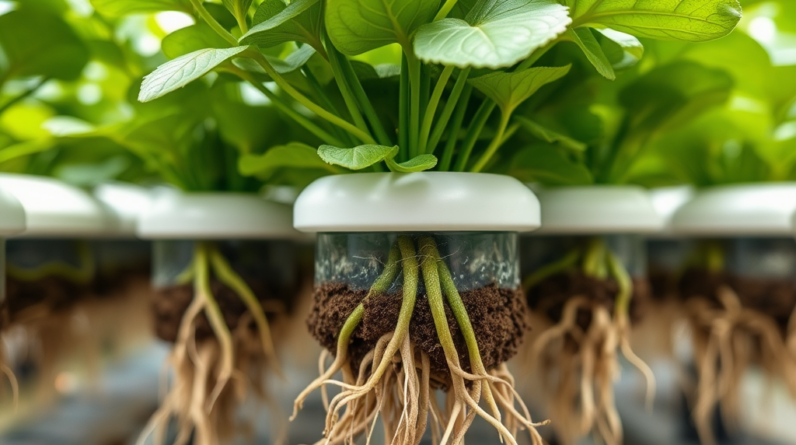
Humidity significantly impacts hydroponic plant growth by affecting transpiration, nutrient uptake, and disease risk. High humidity can reduce transpiration, leading to nutrient deficiencies and increased susceptibility to diseases such as mold and root rot. On the other hand, low humidity can cause rapid water loss, stressing plants and hindering their growth. To optimize plant health, it is essential to maintain humidity levels between 40% and 70%, depending on the specific crop. Regular monitoring and adjustments using hygrometers and environmental controls can help achieve the ideal conditions for thriving hydroponic systems.
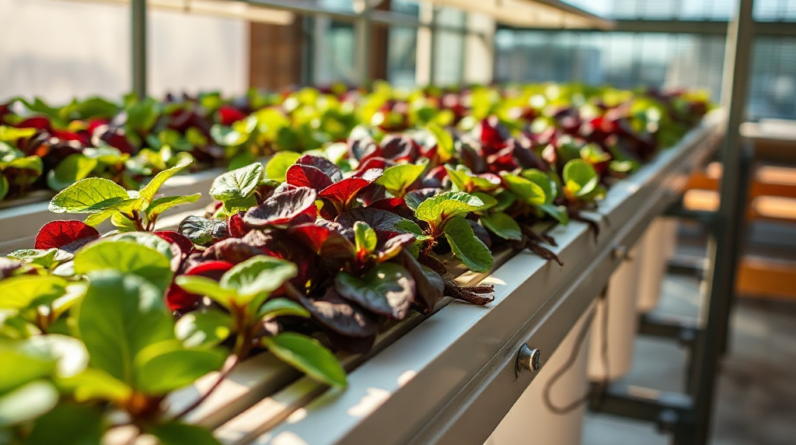
When humidity is too high, plants may struggle with excess moisture, leading to problems like root rot and fungal diseases. Conversely, low humidity can cause plants to lose water rapidly, resulting in stress and stunted growth. Therefore, maintaining a balanced humidity level is vital for maximizing growth potential in hydroponic setups.
Understanding Humidity’s Role in Hydroponics
Humidity plays a critical role in hydroponic systems by affecting the rate of transpiration, which influences how plants take up water and nutrients. High humidity can decrease transpiration rates, leading to nutrient imbalances and potential growth issues. Conversely, low humidity increases transpiration, which can stress plants if they do not receive enough water.
To ensure healthy plant growth, growers must monitor humidity levels closely. Using hygrometers and adjusting environmental controls can help maintain optimal conditions. how humidity interacts with other factors like temperature and light, as these collectively influence plant health.
Effects of High Humidity on Plant Health
High humidity levels can lead to various problems in hydroponic systems, including increased disease pressure and reduced nutrient uptake. When humidity exceeds optimal levels, plants may experience slower growth due to poor transpiration rates. This can result in nutrient deficiencies, as plants struggle to absorb essential elements from the nutrient solution.
Additionally, high humidity creates a conducive environment for pathogens, such as mold and mildew, which can devastate crops. Regular monitoring and management strategies, such as increasing airflow and using dehumidifiers, can mitigate these risks. Growers should prioritize maintaining humidity levels within the ideal range to promote healthy plant growth.
Consequences of Low Humidity
Low humidity can be just as detrimental to hydroponic plants as high humidity. When humidity levels drop, plants lose water more quickly through transpiration, leading to wilting and stress. This can hinder growth and reduce overall yield.
To combat low humidity, growers can use humidifiers or adjust their watering schedules to ensure plants receive adequate moisture. It’s crucial to monitor humidity levels continuously, especially in dry environments, to prevent stress-related issues and enhance plant resilience.
Optimal Humidity Levels for Different Crops
Different crops have varying humidity requirements. Most hydroponic plants thrive in humidity levels ranging from 40% to 70%. For instance, leafy greens generally prefer higher humidity, while fruiting plants may require slightly lower levels to prevent diseases.
Understanding the specific needs of each crop type allows growers to tailor their humidity management strategies effectively. Regular adjustments based on plant growth stages can further optimize conditions, leading to better yields and healthier plants.
Further Reading
Authoritative Sources
- USDA National Institute of Food and Agriculture
nifa.usda.govResearch and extension resources related to agriculture, plants, soil, and food systems.
- Extension Foundation Gardening Resources
extension.orgUniversity extension education resources for practical gardening and home agriculture topics.
- USDA Natural Resources Conservation Service
nrcs.usda.govSoil, water, conservation, and land management resources for practical growing decisions.
Frequently Asked Questions
What is the ideal humidity level for hydroponic plants?
The ideal humidity level for most hydroponic plants ranges from 40% to 70%, depending on the specific crop type.
How does high humidity affect plant growth?
High humidity can reduce transpiration rates, leading to nutrient imbalances and increased disease risk in plants.
What are the signs of low humidity in hydroponic plants?
Signs of low humidity include wilting leaves, slowed growth, and increased susceptibility to pests and diseases.
Can humidifiers help in hydroponics?
Yes, humidifiers can help maintain optimal humidity levels, especially in dry environments, supporting healthy plant growth.
How can I measure humidity in my hydroponic system?
You can measure humidity using hygrometers, which provide real-time readings to help manage environmental conditions effectively.
Conclusion
Understanding the impact of humidity on hydroponic plant growth is crucial for maximizing yield and maintaining plant health. By monitoring and adjusting humidity levels, growers can prevent the negative effects of both high and low humidity. Implementing effective management strategies tailored to specific crop needs will lead to stronger, healthier plants and productive hydroponic systems.