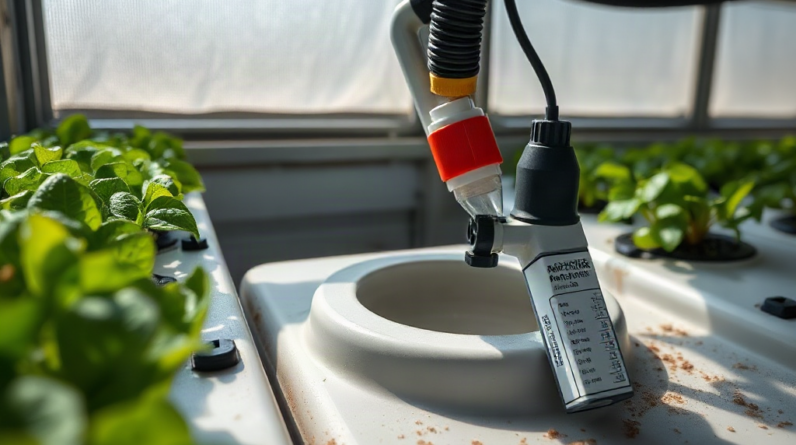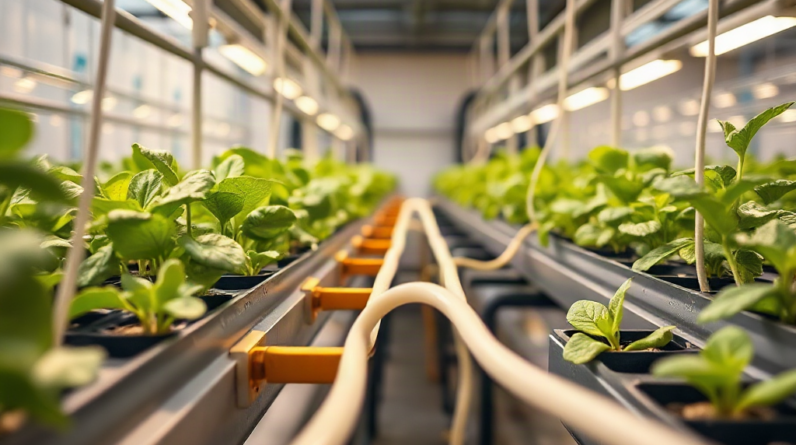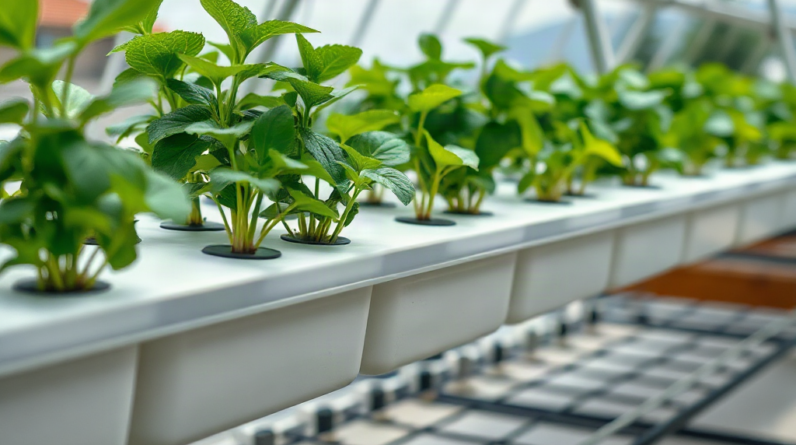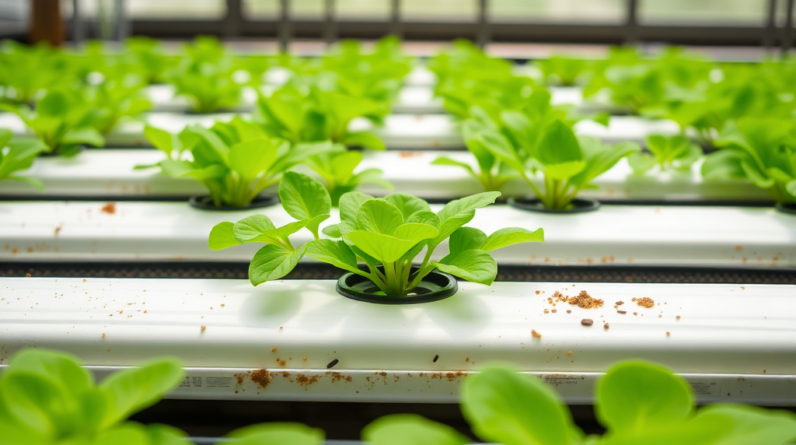
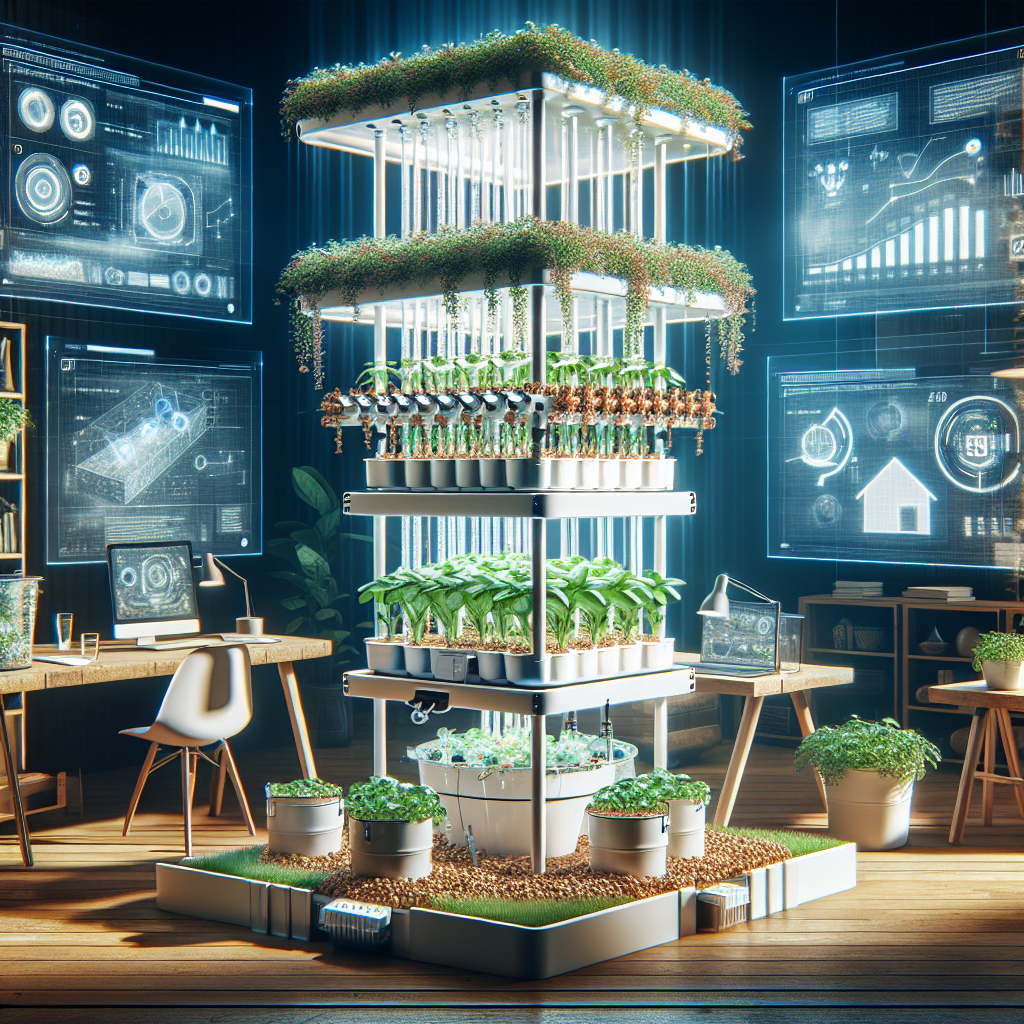
Preventing algae in nutrient solutions is crucial for maintaining the health of hydroponic systems. Algae can quickly proliferate in environments rich in nutrients and light, leading to competition for essential resources and potentially harming plant growth. To effectively manage algae growth, it’s essential to focus on controlling light exposure, monitoring nutrient levels, and ensuring proper aeration. By implementing these strategies, you can create a less favorable environment for algae while promoting healthy plant development.
One of the primary causes of algae growth is an abundance of light combined with nutrient-rich water. Algae thrive in conditions where light penetrates nutrient solutions, often leading to rapid growth. Additionally, stagnant water or low oxygen levels can further exacerbate the problem. To counteract these issues, using opaque containers to block light, maintaining optimal temperatures, and regularly aerating your nutrient solutions can help mitigate algae formation. Regular monitoring of nutrient concentrations is also vital, as excessive nutrients can fuel algae proliferation.
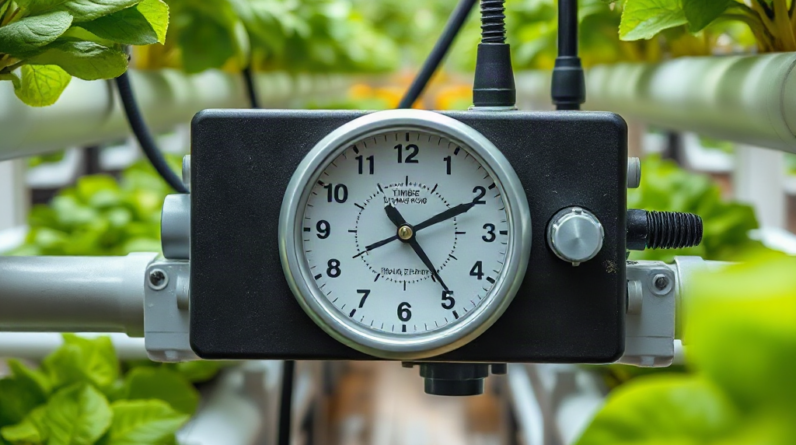
Another effective method to prevent algae is to introduce beneficial microorganisms that can outcompete algae for nutrients and space. These microbes can help maintain a balanced ecosystem in your nutrient solutions, reducing the likelihood of algae outbreaks. Implementing a regular cleaning schedule for your hydroponic system components, such as reservoirs and tubing, also plays a critical role in preventing algae buildup.
Controlling Light Exposure
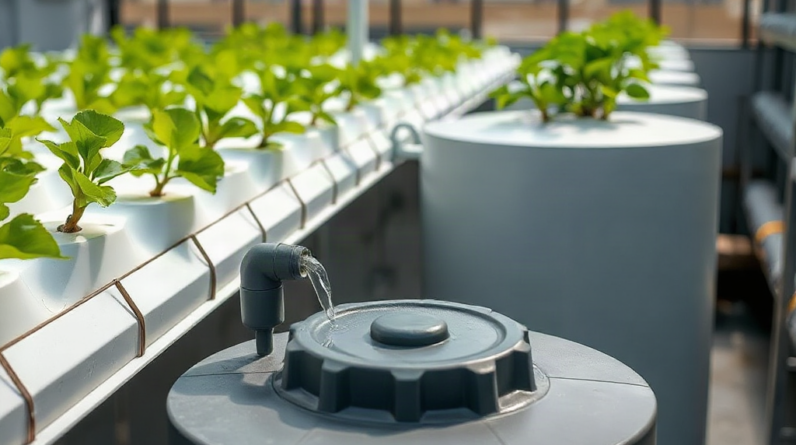
Managing light exposure is one of the most effective ways to prevent algae in nutrient solutions. Algae require sunlight to grow, so minimizing light exposure to the nutrient solution is crucial. Use opaque containers or cover your reservoirs to block sunlight from penetrating the solution. Additionally, consider placing your hydroponic system in a shaded area or using reflective materials to direct light away from the nutrient solution.
Limiting light exposure can significantly reduce algae growth, but it’s also important to ensure that your plants receive adequate light for photosynthesis. Striking the right balance involves using grow lights that provide the necessary spectrum without allowing light to reach the nutrient solution. Regularly checking and adjusting the light source can help maintain this balance.
Monitoring Nutrient Levels
Regular monitoring of nutrient levels is essential to prevent algae growth in hydroponic systems. Excess nutrients, particularly nitrogen and phosphorus, can create an ideal environment for algae to thrive. Test your nutrient solution frequently to ensure that concentrations remain within optimal ranges for plant growth, avoiding over-fertilization that can lead to algae outbreaks.
Implementing a nutrient management plan that includes regular adjustments based on plant growth stages and environmental conditions can help maintain a healthy balance. It’s also beneficial to use high-quality fertilizers that are less likely to promote algae growth. By focusing on nutrient balance, you can significantly reduce the risk of algae proliferation.
Aeration Techniques
Aeration is crucial in preventing algae in nutrient solutions by increasing oxygen levels and promoting healthy microbial activity. Aerating your nutrient solution can help prevent stagnation, which is a significant contributor to algae growth. Use air pumps and air stones to introduce oxygen into the solution, ensuring that the environment remains inhospitable for algae.
In addition to preventing algae, proper aeration promotes healthy root development and nutrient uptake by plants. Regularly check your aeration system to ensure it is functioning effectively and consider increasing aeration during warmer months when algae growth is more likely.
Using Beneficial Microorganisms
Incorporating beneficial microorganisms into your nutrient solutions can significantly reduce algae growth. These microbes compete with algae for nutrients and can help maintain a balanced ecosystem within your hydroponic system. Consider using products containing beneficial bacteria or fungi that are specifically designed to outcompete algae.
Introducing these microorganisms not only helps control algae but also enhances nutrient availability and overall plant health. Regularly adding these beneficial agents can create a more robust and resilient hydroponic system, minimizing the risk of algae outbreaks.
Further Reading
Authoritative Sources
- Library of Congress Research Guides
guides.loc.govResearch guides that help readers locate reliable background sources on a wide range of subjects
- USA.gov Official Information and Services
usa.govOfficial U.S. government information and public resources for practical reference
- Google Scholar
scholar.google.comAcademic search resource for finding research literature and source material
Frequently Asked Questions
What causes algae to grow in nutrient solutions?
Algae thrive in nutrient-rich environments with adequate light and warmth. Excess nutrients, especially nitrogen and phosphorus, combined with light exposure, create ideal conditions for algae growth.
How can I tell if algae is affecting my plants?
Signs of algae affecting plants include reduced growth, yellowing leaves, and root issues. Algae can compete for nutrients and block light, negatively impacting plant health.
What are the best materials to use for nutrient solution containers?
Opaque materials are best for preventing light penetration. Consider using dark plastic or coated containers that block light while holding nutrients effectively.
Can I use chemicals to control algae?
While some chemicals can control algae, they may harm beneficial microorganisms and plants. It’s often better to use physical or biological methods for long-term solutions.
How often should I clean my hydroponic system?
Regular cleaning every few weeks is recommended to prevent algae buildup. Establish a cleaning schedule that aligns with your nutrient solution changes and plant growth cycles.
Conclusion
Preventing algae in nutrient solutions requires a multifaceted approach that includes controlling light exposure, monitoring nutrient levels, ensuring adequate aeration, and utilizing beneficial microorganisms. By implementing these strategies, you not only protect your hydroponic system but also promote healthy plant growth. Regularly assess your methods and adjust as needed to maintain a balanced environment that discourages algae while supporting thriving plants.