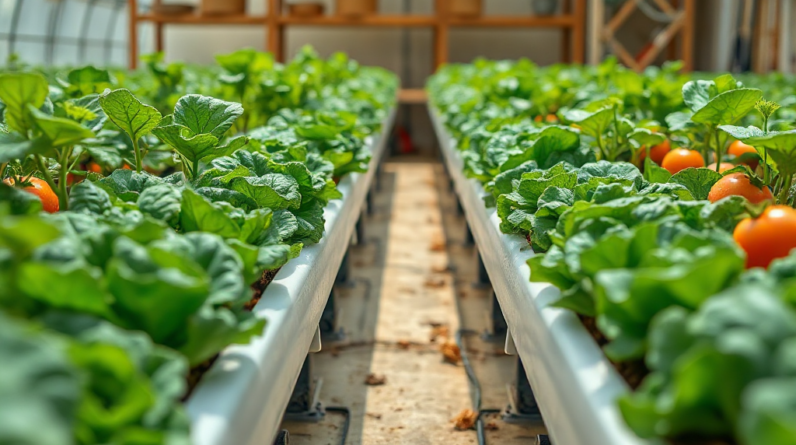
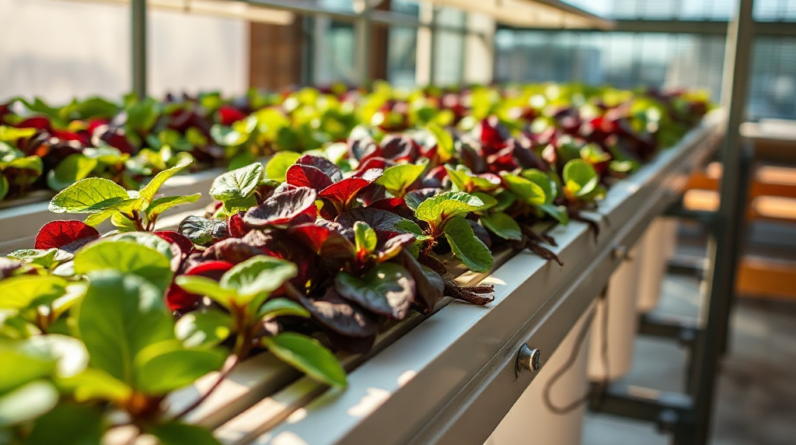
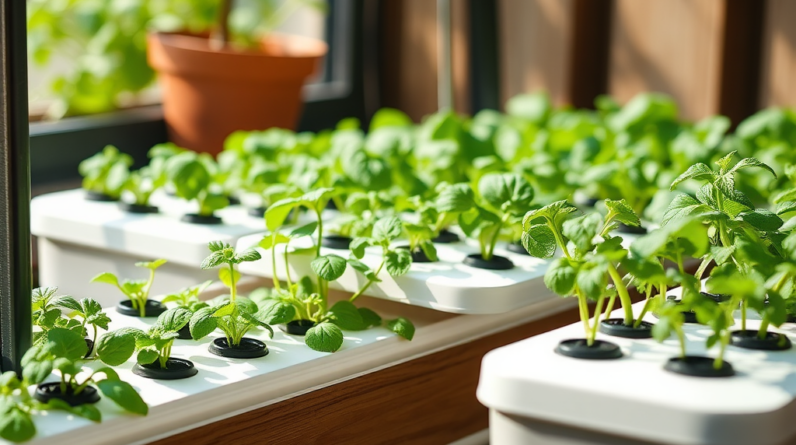
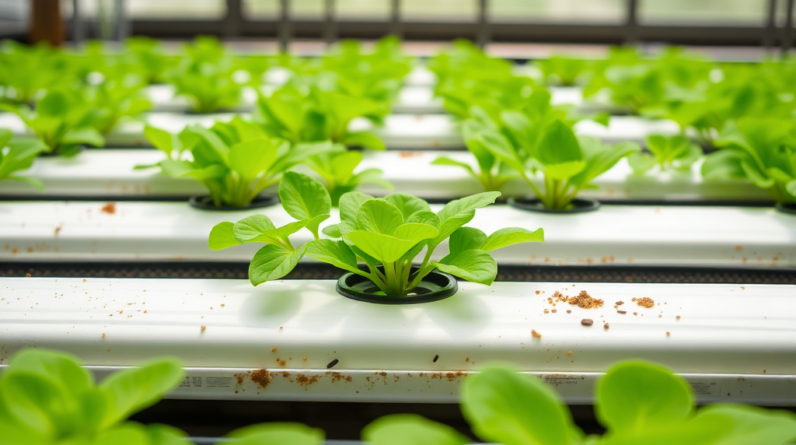
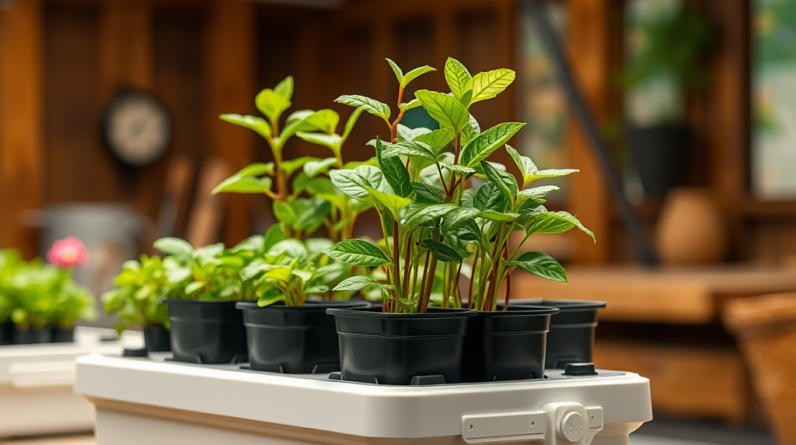
To ensure effective nutrient delivery in hydroponics, it is essential to maintain optimal pH levels, typically between 5.5 and 6.5, as this range maximizes nutrient absorption. Regularly testing and adjusting the pH can prevent nutrient lockout, which occurs when plants cannot access vital minerals. Additionally, selecting a balanced nutrient solution tailored to your plants' specific needs is crucial. Over or under-concentration of nutrients can lead to deficiencies or toxicities, adversely affecting plant health. Consistent monitoring and adjustments will help maintain the right nutrient balance, promoting robust growth and higher yields.
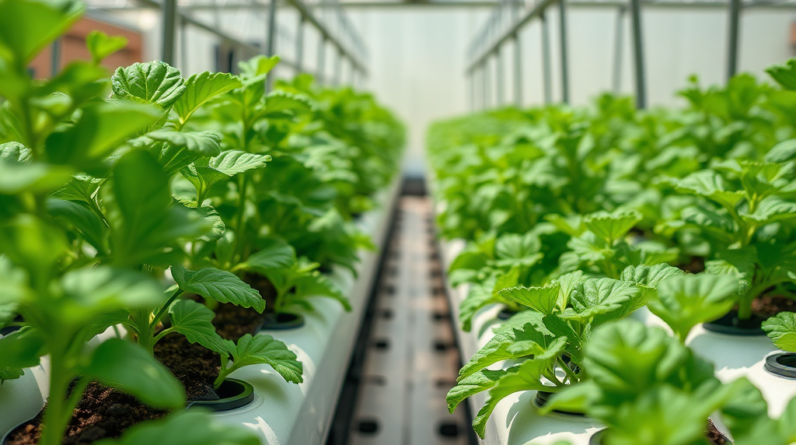
Common mistakes in nutrient delivery often arise from improper pH management and neglecting to monitor nutrient concentration. If the pH is too high or too low, plants may experience nutrient lockout, where essential elements become unavailable. Additionally, over or under-concentration of nutrients can lead to deficiencies or toxicities, negatively impacting plant health. To address these issues, regularly test and adjust the nutrient solution and pH levels.
Understanding pH Levels in Hydroponics
The pH level of the nutrient solution is crucial because it affects nutrient availability. Most hydroponic plants thrive at a pH range of 5.5 to 6.5. Outside this range, plants may struggle to absorb nutrients, leading to stunted growth. Regularly testing the pH and adjusting it with pH up or down solutions is vital for maintaining optimal conditions.
Many growers overlook the importance of pH, assuming that once set, it will remain stable. However, factors such as nutrient uptake and water evaporation can alter pH levels. Therefore, frequent monitoring is essential to prevent nutrient lockout.
Choosing the Right Nutrient Solution
Selecting a balanced nutrient solution tailored to the specific needs of the plants being grown is critical. Different plants have varying nutrient requirements, and using a generic solution may not meet these needs adequately. Look for solutions that contain macro and micronutrients essential for plant health.
It’s also important to consider the growth stage of the plants. For instance, during the vegetative stage, plants require higher nitrogen levels, while during flowering, phosphorus and potassium become more important. Adjusting nutrient formulations based on growth stages can significantly improve plant performance.
Monitoring Water Temperature
Water temperature plays a significant role in nutrient delivery, as it affects the solubility and absorption of nutrients. The ideal water temperature for most hydroponic systems is between 65°F and 75°F (18°C to 24°C). Temperatures outside this range can inhibit nutrient uptake and negatively affect plant health.
Growers often underestimate the impact of water temperature. High temperatures can lead to a decrease in dissolved oxygen levels, which can stress plants and reduce nutrient absorption. Using water chillers or heaters, as necessary, can help maintain optimal temperatures for growth.
Common Mistakes in Nutrient Delivery
Several common mistakes can hinder effective nutrient delivery in hydroponics. One major mistake is failing to regularly test and adjust the nutrient solution and pH levels. Neglecting to monitor these factors can lead to nutrient deficiencies or toxicities, ultimately affecting plant health and yield.
Another mistake is using the same nutrient solution throughout the growth cycle without adjustments. As plants grow, their nutrient needs change, and failing to adapt the nutrient formulation can lead to poor growth. Regularly reassessing plant needs and adjusting the nutrient solution accordingly is vital for success.
Further Reading
Authoritative Sources
- USDA National Institute of Food and Agriculture
nifa.usda.govResearch and extension resources related to agriculture, plants, soil, and food systems.
- Extension Foundation Gardening Resources
extension.orgUniversity extension education resources for practical gardening and home agriculture topics.
- USDA Natural Resources Conservation Service
nrcs.usda.govSoil, water, conservation, and land management resources for practical growing decisions.
Frequently Asked Questions
What is the ideal pH level for hydroponics?
The ideal pH level for most hydroponic systems is between 5.5 and 6.5, ensuring optimal nutrient availability for plants.
How often should I change my nutrient solution?
It’s advisable to change your nutrient solution every two to three weeks to prevent nutrient imbalances and ensure fresh nutrients for your plants.
Can I use tap water for hydroponics?
Tap water can be used, but it’s crucial to test its pH and nutrient content, as high levels of chlorine or other chemicals can harm plants.
What signs indicate nutrient deficiency in plants?
Signs of nutrient deficiency include yellowing leaves, stunted growth, and poor fruit development, which vary depending on the specific nutrient lacking.
How can I prevent nutrient lockout?
To prevent nutrient lockout, regularly monitor and adjust pH levels, maintain balanced nutrient concentrations, and ensure proper water temperature.
Conclusion
Ensuring effective nutrient delivery in hydroponics is critical for successful plant growth. Key factors include maintaining optimal pH levels, selecting the appropriate nutrient solution, and monitoring water temperature. Avoid common mistakes by regularly testing and adjusting your nutrient solution and being aware of your plants’ changing needs. By prioritizing these elements, you can enhance plant health and maximize yields.
Related Content
- Why Hydroponic Lettuce is Ideal for Urban Gardens
- The Ultimate Guide to 2025s Best Vertical Hydroponic Garden Strategies
- How to Optimize Nutrient Solution for Hydroponics: Key Ingredients and Measurement Techniques
- Elevate Your Cooking with Home-Grown Hydroponic Herbs
- The Ultimate Guide to aeroponic vs hydroponic (2025): 7 Effective Strategies to Grow Faster