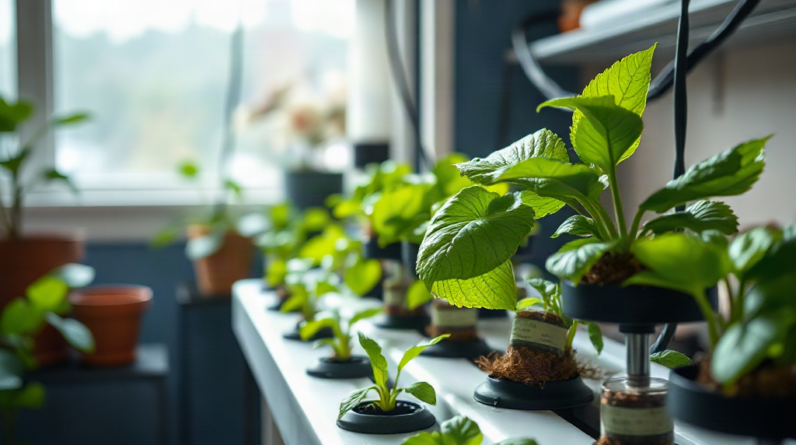
Hydroponic lettuce tastes different primarily because it grows in a nutrient-rich water solution instead of soil, allowing for precise control over nutrient delivery. This method can enhance the natural sweetness and crispness of the lettuce, resulting in a fresher flavor profile. Additionally, the absence of soil eliminates earthy tones that some consumers may find unappealing. However, the final taste can vary significantly based on the specific nutrient balance and water quality used in the hydroponic system. Growers should experiment with nutrient timing and composition to optimize flavor, ensuring a more enjoyable eating experience.
Understanding Hydroponics and Its Impact on Taste
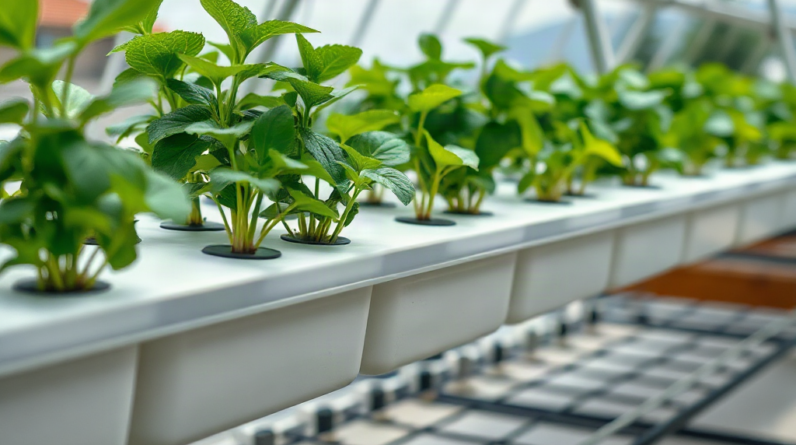
Hydroponics fundamentally alters how plants absorb nutrients, which directly influences their flavor. In hydroponic systems, plants grow in a nutrient-rich water solution rather than soil, allowing for precise nutrient control. This method can enhance the natural flavors of lettuce by providing the exact amount of nutrients needed for optimal growth. As a result, hydroponic lettuce often has a fresher and crisper taste compared to its soil-grown counterparts.
Moreover, the absence of soil can lead to a cleaner flavor profile, as soil can impart earthy tones that some consumers may not prefer. Hydroponics also allows for faster growth cycles, which can lead to a more tender and less bitter lettuce variety. However, the taste can vary depending on the specific hydroponic method used and the grower’s expertise.
Nutrient Management and Flavor Development
Effective nutrient management is crucial for enhancing the flavor of hydroponic lettuce. The balance of macronutrients, such as nitrogen, phosphorus, and potassium, plays a significant role in the development of taste and texture. For instance, higher nitrogen levels can lead to lush, green leaves, but if not balanced with other nutrients, it may result in a less flavorful product.
Additionally, the timing of nutrient delivery can affect flavor. For example, introducing specific nutrients at certain growth stages can enhance sweetness or crispness. Hydroponic growers often experiment with different nutrient formulations to find the optimal mix that produces the best-tasting lettuce. A common mistake is to over-fertilize, which can lead to nutrient burn and negatively impact flavor.
Water Quality and Its Role in Hydroponic Flavor
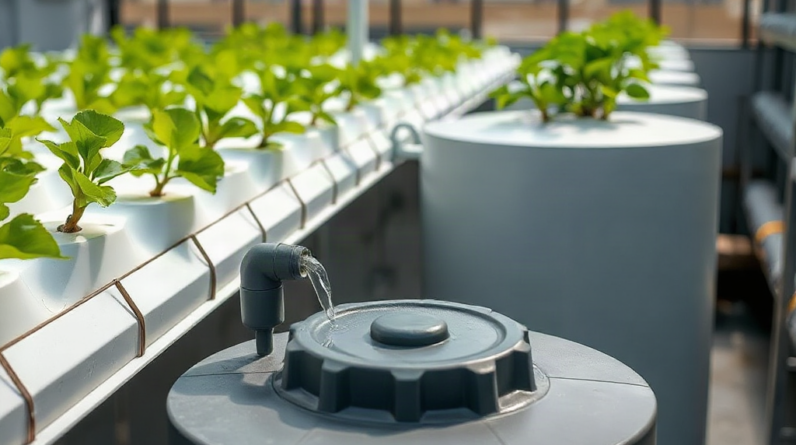
Water quality is another critical factor influencing the taste of hydroponic lettuce. The presence of minerals and pH levels in the water can significantly alter the flavor profile. For example, high levels of chlorine or contaminants can lead to off-flavors in the lettuce. Conversely, using filtered or mineral-rich water can enhance the taste and nutritional content of the crop.
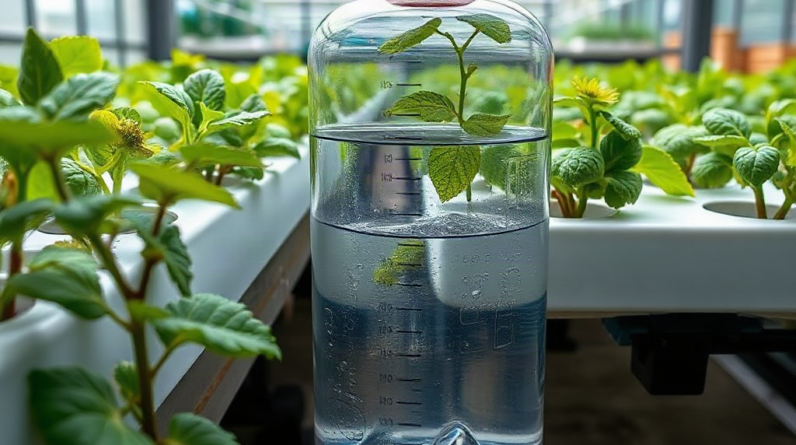
Moreover, maintaining proper pH levels (typically between 5.5 and 6.5 for most lettuce varieties) ensures that plants can effectively absorb nutrients. If the pH is too high or too low, it can lead to nutrient deficiencies, ultimately affecting the flavor. Regular testing and adjustments to the water quality are essential for producing the best-tasting hydroponic lettuce.
Light Conditions and Their Effect on Lettuce Taste
Light is a vital component in the growth of hydroponic lettuce, influencing both flavor and nutritional content. The type and intensity of light can affect the photosynthetic process, which in turn impacts flavor development. For instance, using full-spectrum LED lights can enhance the production of sugars, resulting in sweeter lettuce.
Additionally, the duration of light exposure plays a role. Hydroponic systems often utilize controlled lighting to simulate natural conditions, which can optimize growth and flavor. A common mistake in hydroponic gardening is not providing enough light, leading to leggy plants with less flavor. By ensuring adequate light conditions, growers can produce lettuce that is not only visually appealing but also delicious.
Frequently Asked Questions
Why does hydroponic lettuce taste different from soil-grown lettuce?
Hydroponic lettuce typically tastes different due to the precise nutrient control, absence of soil, and optimized growing conditions that enhance flavor and texture.
What nutrients affect the flavor of hydroponic lettuce?
Nutrients such as nitrogen, phosphorus, and potassium play significant roles in developing flavor; balancing them correctly can enhance sweetness and crispness.
How does water quality impact the taste of hydroponic lettuce?
Water quality, including pH levels and mineral content, can significantly affect the flavor of hydroponic lettuce; contaminants may lead to off-flavors.
What role does light play in the flavor of hydroponic lettuce?
Light intensity and duration influence photosynthesis and sugar production, which can enhance the sweetness of hydroponic lettuce.
Can hydroponic lettuce be as flavorful as organic soil-grown lettuce?
Yes, with proper nutrient management, water quality, and lighting, hydroponic lettuce can be just as flavorful as organic soil-grown varieties.
Further Reading
Authoritative Sources
- USDA National Institute of Food and Agriculture
nifa.usda.govResearch and extension resources related to agriculture, plants, soil, and food systems
- Extension Foundation Gardening Resources
extension.orgUniversity extension education resources for practical gardening and home agriculture topics
- USDA Natural Resources Conservation Service
nrcs.usda.govSoil, water, conservation, and land management resources for practical growing decisions
Conclusion
The taste of hydroponic lettuce is influenced by several factors, including nutrient management, water quality, and light conditions. By understanding these elements, growers can optimize their systems to produce lettuce that not only meets market standards but also satisfies consumer taste preferences. Prioritizing balanced nutrients, maintaining high water quality, and providing adequate light will lead to the best flavor outcomes. As interest in hydroponics grows, so does the potential for creating delicious, high-quality produce.
Related Content
- Root Support Options for Hydroponic Seedlings Compared by Material, Moisture, and Transplant Fit
- Urban Farming Revolution: Hydroponics Leads the Way
- Grow Herbs Indoors with Simple Hydroponics
- What Is Hydroponic Gardening?
- How to Ensure Optimal Light Distribution in Hydroponics: Placement, Measurements, and Mistakes