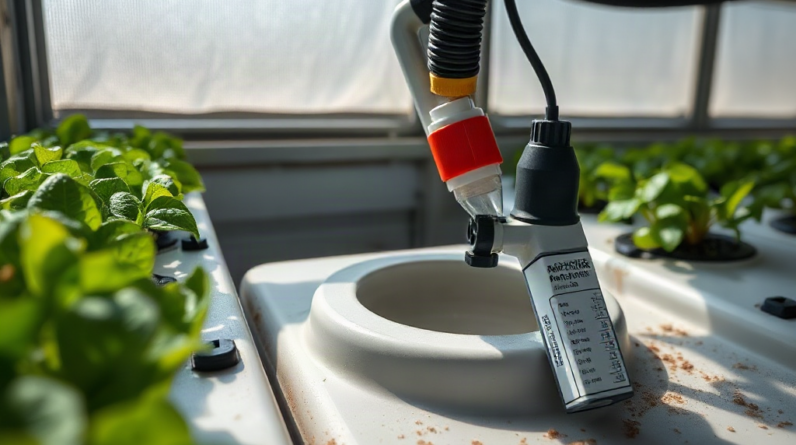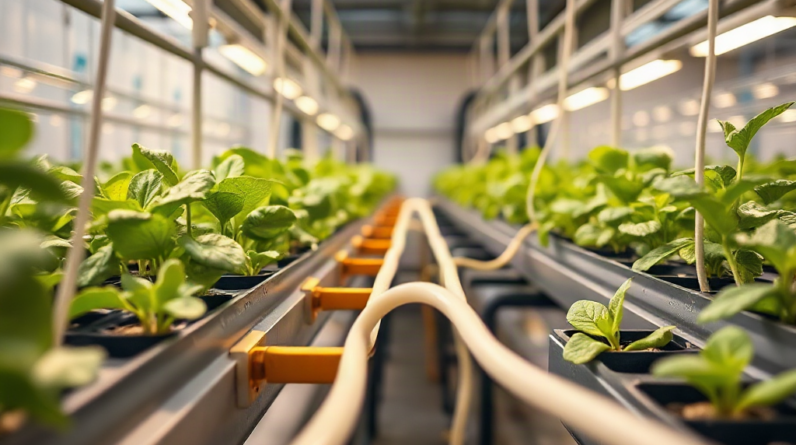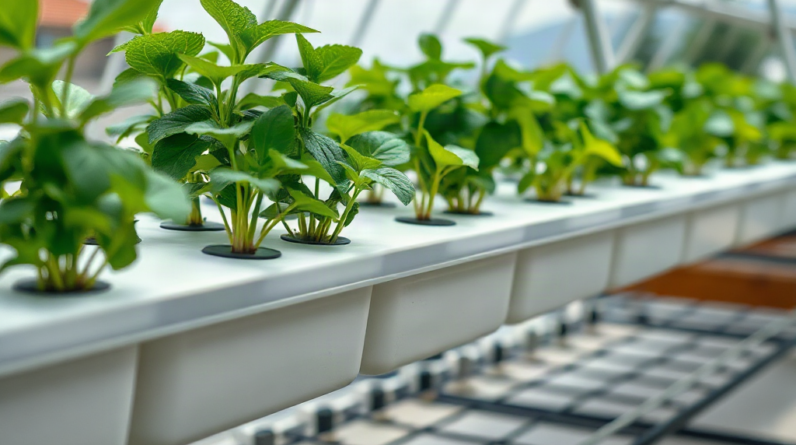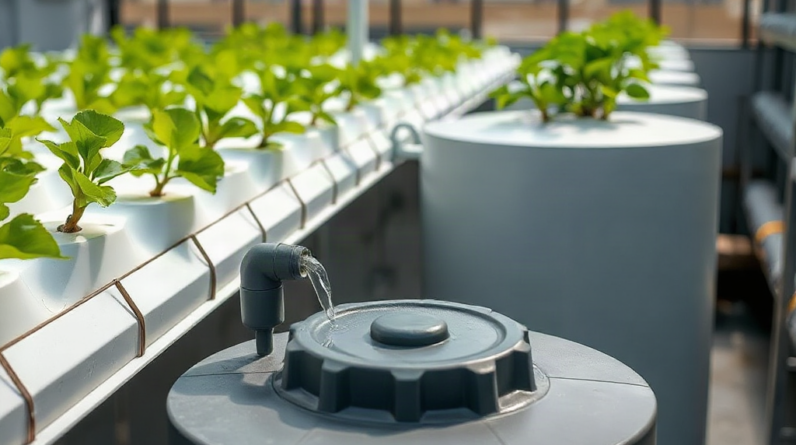
To manage algae growth in hydroponic systems, it's essential to control light exposure, nutrient levels, and water circulation. Algae thrive in warm, nutrient-rich environments with excess light, so covering nutrient reservoirs with opaque materials can effectively block light. Regularly cleaning equipment and ensuring proper water circulation will also help prevent stagnant conditions that promote algae growth. Additionally, maintaining water temperatures below 75°F can further inhibit algae proliferation. Implementing these strategies will create a healthier environment for your plants and reduce the risk of algae-related issues.
Understanding Algae in Hydroponics
Algae are simple photosynthetic organisms that can flourish in hydroponic systems under the right conditions. Understanding their role is crucial because while some algae can be harmless, excessive growth can lead to serious problems such as nutrient depletion and oxygen competition. Algae can also create an unsightly environment and may harbor pathogens that affect plant health.
In hydroponics, algae typically appear in warm, nutrient-rich water, especially when exposed to light. Recognizing the early signs of algae growth allows growers to take proactive measures before the situation escalates. It’s essential to monitor your systems regularly and act quickly to maintain a healthy balance.
Factors Contributing to Algae Growth
Several environmental factors contribute to the growth of algae in hydroponic systems. Excessive light, particularly from grow lights, can promote rapid algae proliferation. Nutrient imbalances, especially high nitrogen levels, also encourage algae growth, as they thrive in nutrient-rich environments. Additionally, stagnant water can create ideal conditions for algae, as proper circulation helps prevent their establishment.
Temperature plays a significant role too; warmer water can accelerate algae growth. Maintaining a consistent temperature below 75°F can help mitigate this risk. Understanding these factors allows hydroponic gardeners to make informed decisions about their systems and implement changes that reduce algae risks.
Effective Prevention Techniques
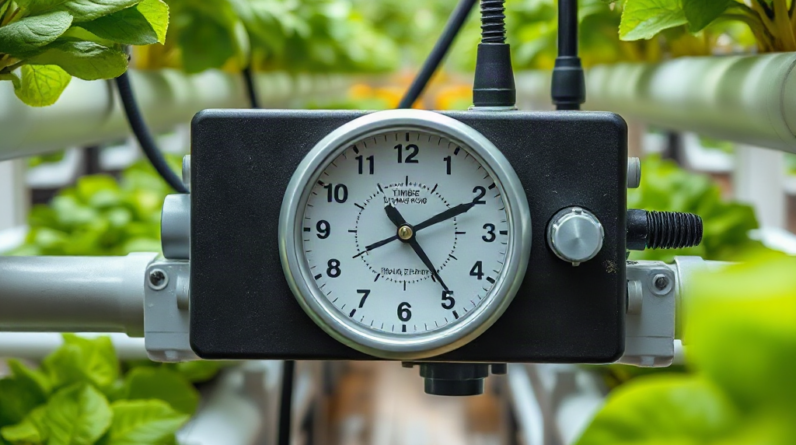
Preventing algae growth in hydroponic systems involves several key strategies. First, managing light exposure is crucial. Covering nutrient reservoirs with opaque materials can block light, significantly reducing the chances of algae growth. Additionally, using timers for grow lights can help regulate light exposure, ensuring that plants receive adequate light without promoting algae.
Another effective prevention technique is maintaining proper nutrient balance. Regularly testing and adjusting nutrient solutions can help avoid excess nitrogen, which is a primary contributor to algae growth. Furthermore, ensuring good water circulation can prevent stagnation and promote a healthy environment for plants, reducing algae’s likelihood.
Control Methods for Established Algae
If algae have already established themselves in a hydroponic system, several control methods can be implemented. Physical removal is the first step; manually cleaning surfaces and removing visible algae can provide immediate relief. Additionally, introducing algae-eating organisms like certain fish or snails can help keep algae populations in check naturally.
For more severe infestations, consider using hydrogen peroxide or other algaecides specifically designed for hydroponics. However, it’s essential to use these chemicals cautiously, as they can affect plant health and disrupt the nutrient balance. Regular monitoring and maintenance are vital to prevent future outbreaks.
Frequently Asked Questions
What causes algae to grow in hydroponic systems?
Algae grow in hydroponic systems primarily due to excess light, high nutrient levels, and stagnant water conditions, which create an ideal environment for their proliferation.
How can I prevent algae from growing in my system?
To prevent algae growth, manage light exposure, maintain proper nutrient balance, and ensure good water circulation in your hydroponic system.
What are the effects of algae on plants?
Algae can compete for nutrients and oxygen, potentially harming plants and leading to reduced growth or health issues in hydroponic systems.
Are there natural ways to control algae?
Yes, introducing algae-eating organisms like certain fish or snails can help control algae populations naturally without harming plant health.
When should I use chemicals to control algae?
Chemicals should be used as a last resort when physical removal and natural methods are ineffective. Always follow instructions to avoid harming plants.
Further Reading
Authoritative Sources
- University of Minnesota Extension
extension.umn.eduA comprehensive resource on managing algae in hydroponics and related gardening techniques
- Hydroponic Research
hydroponicresearch.comInsights on the science behind hydroponics, including algae management strategies
Conclusion
Managing algae growth in hydroponic systems is essential for maintaining plant health and optimizing yield. By understanding the factors that contribute to algae growth and implementing effective prevention and control methods, growers can create a balanced environment conducive to plant growth. Regular monitoring, proper nutrient management, and strategic use of cleaning methods will ensure that algae remain under control, allowing for a successful hydroponic gardening experience.