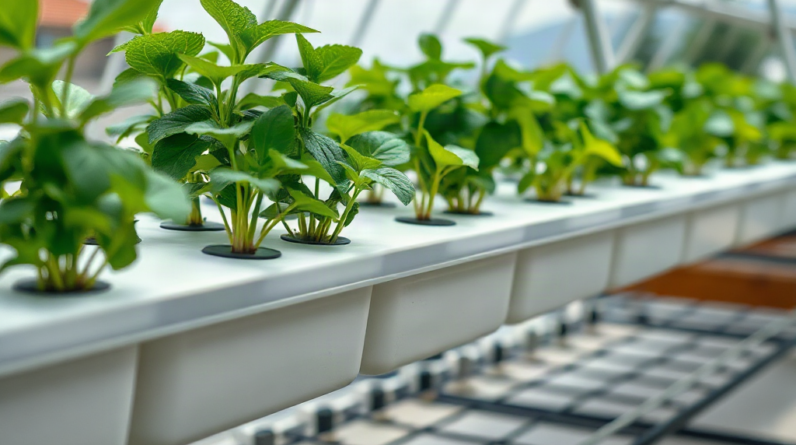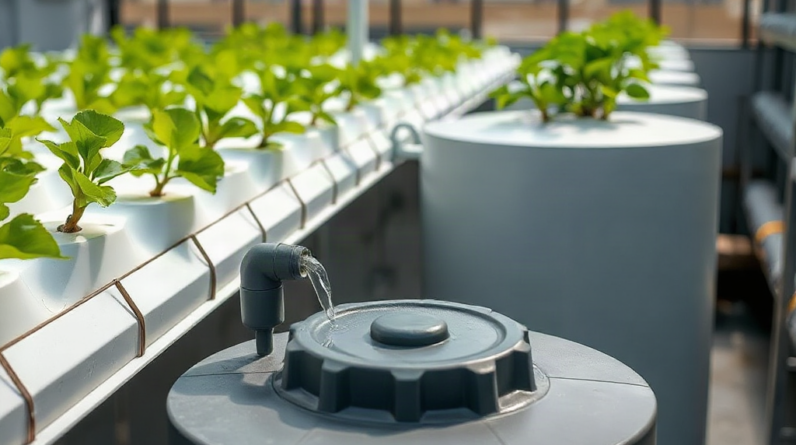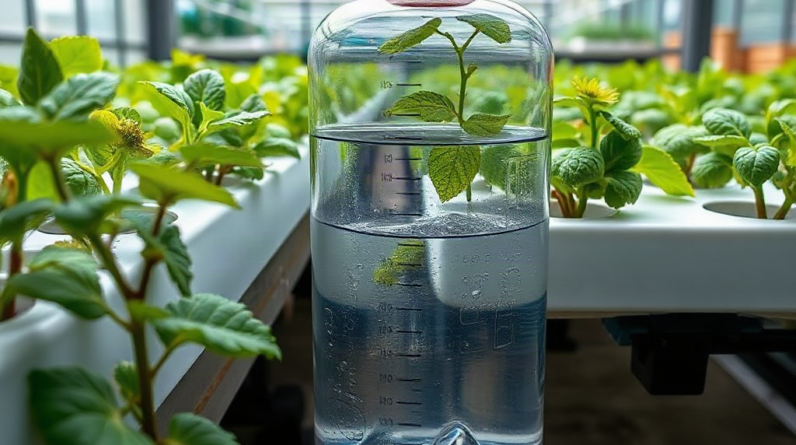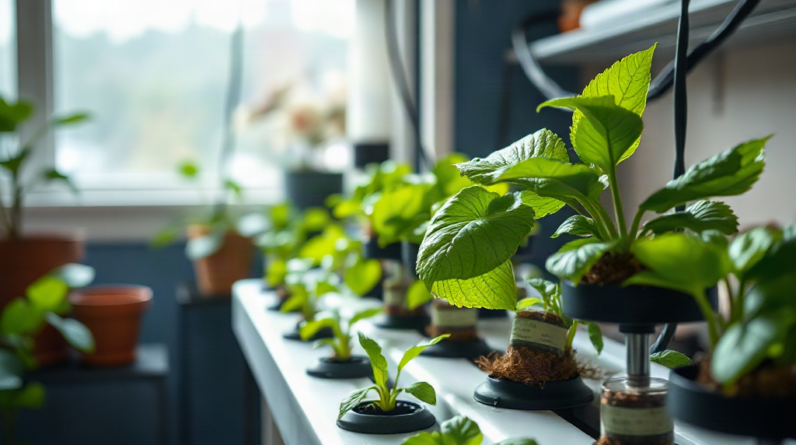
To balance humidity in hydroponic setups, maintain levels between 40% and 70% relative humidity for optimal plant growth. Use hygrometers to monitor humidity and adjust with humidifiers or dehumidifiers as needed. Proper ventilation is essential to prevent mold and root rot associated with high humidity, while low humidity can cause wilting and nutrient uptake issues. Regularly assess environmental conditions and plant responses to make timely adjustments, ensuring a healthy growing environment. Be mindful of seasonal changes that can affect humidity levels and adapt your setup accordingly.
Understanding Humidity and Its Role in Hydroponics
Humidity refers to the amount of moisture present in the air, which plays a critical role in hydroponic gardening. Plants absorb water through their leaves in addition to their roots, making humidity levels vital for their growth. High humidity can enhance transpiration, which helps plants take up nutrients, but excessive moisture can lead to issues like fungal diseases. Conversely, low humidity can cause stress, leading to wilting and stunted growth. Therefore, understanding the ideal humidity range—typically between 40% and 70% relative humidity—is essential for thriving hydroponic systems.
To maintain this ideal range, growers must regularly monitor environmental factors and make adjustments as necessary. This understanding allows for proactive management of plant health, ensuring that conditions are conducive to optimal growth. Knowing the needs of specific plants can also guide adjustments, as different species may thrive under varying humidity levels.
Common Humidity Issues and Their Solutions
Humidity problems in hydroponic setups often stem from environmental conditions or equipment malfunctions. For instance, high humidity can lead to mold growth and root rot, while low humidity can cause leaf curling and nutrient uptake issues. Recognizing these signs early is crucial for effective intervention.
One common mistake is failing to account for changes in humidity due to seasonal shifts or equipment usage, such as heating or cooling systems. To address high humidity, consider increasing ventilation or using dehumidifiers to remove excess moisture. For low humidity, adding a humidifier or increasing the frequency of misting can help. It’s important to strike a balance, as both extremes can negatively impact plant health.
Tools to Monitor and Control Humidity
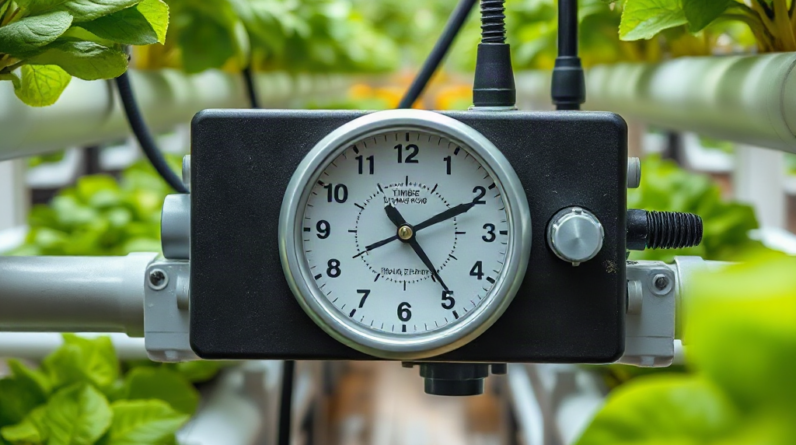
Effective management of humidity requires the right tools. Hygrometers are essential for measuring humidity levels accurately. Digital hygrometers offer precise readings and can often log data over time, allowing growers to track changes and make informed decisions. Additionally, using thermohygrometers can provide insights into both temperature and humidity, giving a comprehensive view of the growing environment.
For controlling humidity, equipment such as humidifiers, dehumidifiers, and fans are crucial. Humidifiers can be particularly effective in dry conditions, while dehumidifiers help combat excess moisture. Proper ventilation systems, including exhaust fans, can also play a significant role in regulating humidity levels by ensuring proper air circulation, which helps to prevent stagnant air and moisture accumulation.
Practical Tips for Maintaining Optimal Humidity
To effectively maintain optimal humidity in hydroponic setups, regular monitoring is key. Invest in reliable monitoring equipment and check humidity levels multiple times a day, especially during significant environmental changes. Additionally, consider the placement of your plants; overcrowding can trap moisture, leading to higher humidity levels.
Implementing a consistent watering schedule can also help manage humidity. Over-watering can contribute to excess moisture in the air, while underwatering can lead to lower humidity. It’s also beneficial to group plants with similar humidity needs together, creating microclimates that are easier to manage. Finally, be mindful of any equipment that may introduce or remove moisture, adjusting as necessary to maintain the desired humidity range.
Frequently Asked Questions
What is the ideal humidity level for hydroponics?
The ideal humidity level for hydroponics typically ranges between 40% and 70%, depending on the plant species.
How can I raise humidity in my hydroponic setup?
You can raise humidity by using a humidifier, misting plants, or adding water trays within the growing area.
What are the signs of high humidity in hydroponics?
Signs of high humidity include mold growth, excessive condensation, and wilting leaves due to root rot.
How often should I check humidity levels?
It's advisable to check humidity levels at least twice a day, especially during seasonal changes or after watering.
Can humidity control affect nutrient uptake?
Yes, improper humidity levels can hinder nutrient uptake, leading to deficiencies or stress in plants.
Further Reading
Authoritative Sources
- Hydroponics Basics
hydroponics.comA comprehensive resource on hydroponic systems, including humidity management techniques
- Gardener's Supply Company
gardeners.comOffers practical advice on maintaining optimal growing conditions, including humidity control
- Horticulture Magazine
hortmag.comFeatures articles on environmental controls in hydroponics and gardening
- eXtension – Hydroponics
extension.orgA resource for research-based information on hydroponic gardening
Conclusion
Maintaining optimal humidity in hydroponic setups is essential for plant health and growth. Regular monitoring and adjustments using appropriate tools can help prevent issues related to high or low humidity. Understanding the specific needs of your plants and their environment will enable you to create conditions that promote robust growth and productivity. By implementing the strategies discussed, you can effectively manage humidity levels and ensure a thriving hydroponic garden.
Related Content
- Growing Hydroponic Vegetables: Unlocking the Secrets of Soil-less Farming
- Choosing a Reservoir Size for Hydroponic Vegetables With Crop Load and Water-Use Checks
- The Ultimate Guide to Hydroponic Garden Maintenance: 10 Effective Tips for 2025
- Unlock the Potential of Hydroponic Tomatoes
- Hydroponic Water Reservoir Management: Key Factors for Optimal Plant Growth