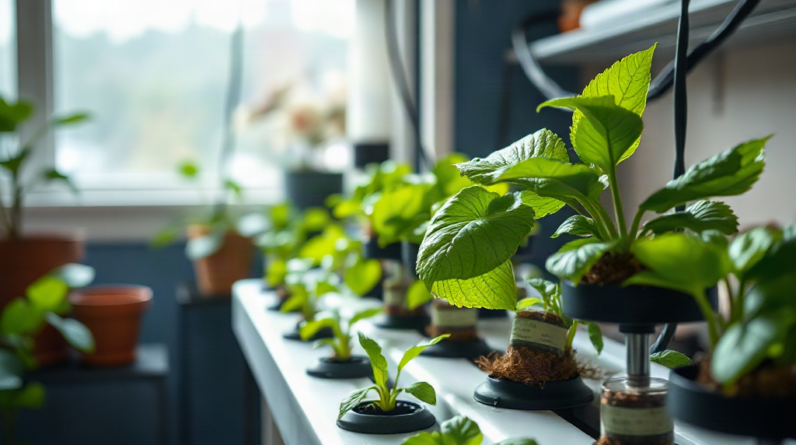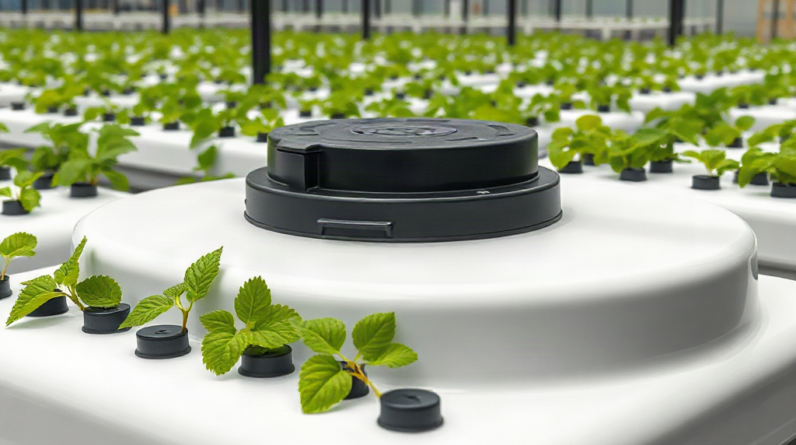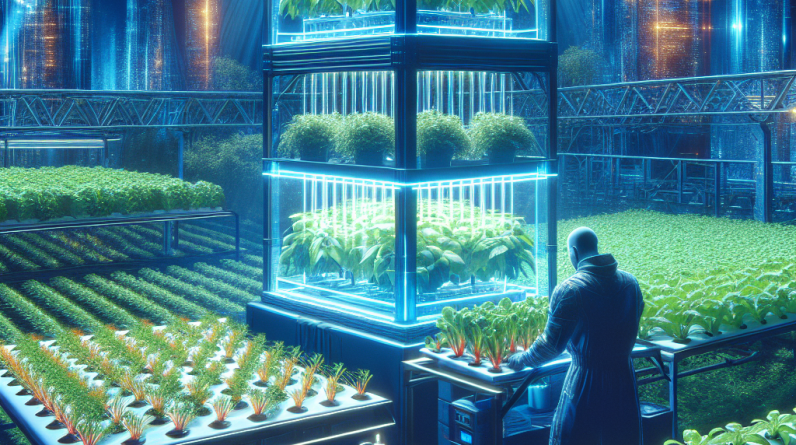
To optimize space in hydroponic systems, consider implementing vertical gardening techniques and selecting compact plant varieties. Vertical setups, such as shelves or wall-mounted planters, allow for efficient use of limited areas while improving air circulation and light exposure. Additionally, choosing systems like Nutrient Film Technique (NFT) or aeroponics can further maximize space efficiency, as they require less horizontal area. Prioritize layout planning to enhance accessibility and airflow, ensuring that your hydroponic garden remains productive and healthy. By making informed choices about your system and plant selection, you can significantly increase your yield without overcrowding.
Understanding Vertical Gardening Techniques
Vertical gardening is a powerful method to maximize space in hydroponic systems. By stacking plants vertically, you effectively increase your growing area without requiring a larger footprint. This technique is particularly beneficial for small spaces, such as balconies or indoor gardens. Vertical systems can be designed using shelves, towers, or wall-mounted planters, allowing for efficient use of available space.
Moreover, vertical gardening promotes better air circulation and light exposure for each plant, which can enhance growth rates and yield. However, it’s essential to consider the weight and stability of your vertical setup to ensure it can support the plants and growing medium. Utilizing lightweight materials can help maintain structural integrity while maximizing space.
Choosing the Right Hydroponic System
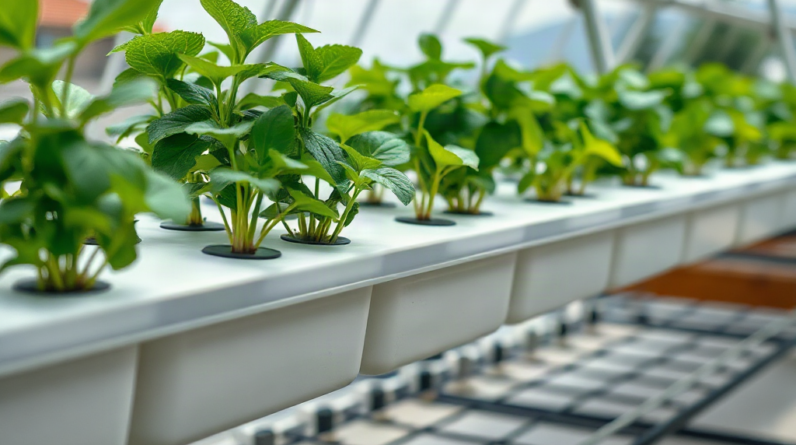
Different hydroponic systems offer varying levels of space efficiency. Nutrient Film Technique (NFT) and Vertical Hydroponic Systems are often preferred for their compact designs. NFT uses a thin film of nutrient solution that continuously flows over the plant roots, requiring less space than traditional methods. Similarly, aeroponic systems, which mist the roots with nutrient solution, can be stacked vertically, further conserving space.
It’s crucial to assess your available space and choose a system that aligns with your gardening goals. For instance, while Deep Water Culture (DWC) systems may require more horizontal space, they can yield larger plants. Understanding the trade-offs between system types will help you make informed decisions about optimizing your hydroponic setup.
Effective Use of Lighting
Lighting is a critical factor in optimizing space within hydroponic systems. LED grow lights are particularly effective as they produce less heat and can be placed closer to plants without causing damage. This allows for more efficient use of vertical space, as you can position lights at varying heights to accommodate plant growth.
Additionally, using adjustable lighting systems can help maximize light exposure across different plant heights. Ensuring that all plants receive adequate light will not only improve growth rates but also prevent overcrowding and competition for resources. Regularly monitor light intensity and adjust as necessary to maintain optimal conditions.
Plant Selection and Spacing
Choosing compact plant varieties is essential for space optimization in hydroponics. Certain crops, such as herbs and microgreens, thrive in smaller spaces and can be harvested multiple times, maximizing yield. When planning your layout, consider the mature size of each plant and how they will fit within your system.
Proper spacing is crucial to prevent overcrowding, which can lead to poor air circulation and increased susceptibility to diseases. As a rule of thumb, allow enough space for each plant to grow without competing excessively for light and nutrients. Implementing staggered planting can also enhance light exposure and airflow, further promoting healthy growth.
Frequently Asked Questions
What is the best hydroponic system for small spaces?
Vertical hydroponic systems and NFT systems are ideal for maximizing space in small areas due to their compact designs.
How can I improve light distribution in a hydroponic setup?
Using adjustable LED grow lights allows you to position lighting closer to plants of varying heights, improving overall light distribution.
Which plant varieties are best for hydroponic systems?
Compact varieties like herbs, lettuce, and microgreens are excellent choices for hydroponics, as they require less space and can be harvested multiple times.
How does vertical gardening benefit hydroponic systems?
Vertical gardening increases growing area without expanding the footprint, enhances air circulation, and improves light exposure for plants.
What common mistakes should I avoid in hydroponic gardening?
Avoid overcrowding plants, which can hinder growth and lead to disease. Ensure proper spacing and light exposure for each plant.
Further Reading
Authoritative Sources
- USDA National Institute of Food and Agriculture
nifa.usda.govResearch and extension resources related to agriculture, plants, soil, and food systems
- Extension Foundation Gardening Resources
extension.orgUniversity extension education resources for practical gardening and home agriculture topics
- USDA Natural Resources Conservation Service
nrcs.usda.govSoil, water, conservation, and land management resources for practical growing decisions
Conclusion
Optimizing space in hydroponic systems involves strategic planning and the implementation of effective techniques such as vertical gardening, appropriate system selection, and careful plant spacing. By prioritizing these elements, you can maximize your growing potential and improve overall plant health. Evaluate your space constraints and choose methods that align with your gardening goals for the best results.