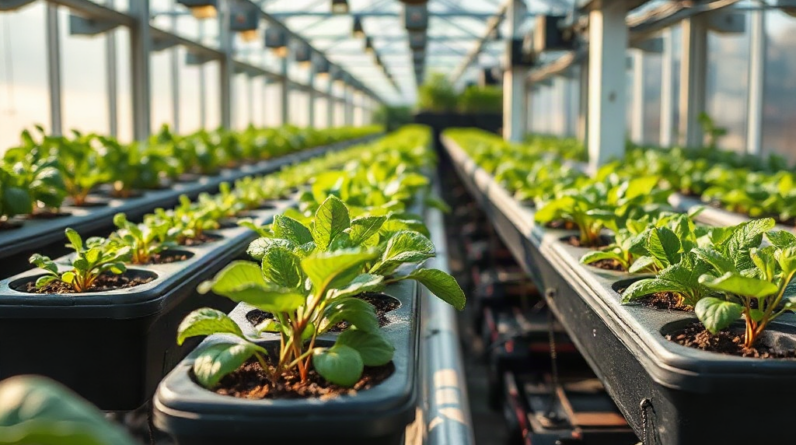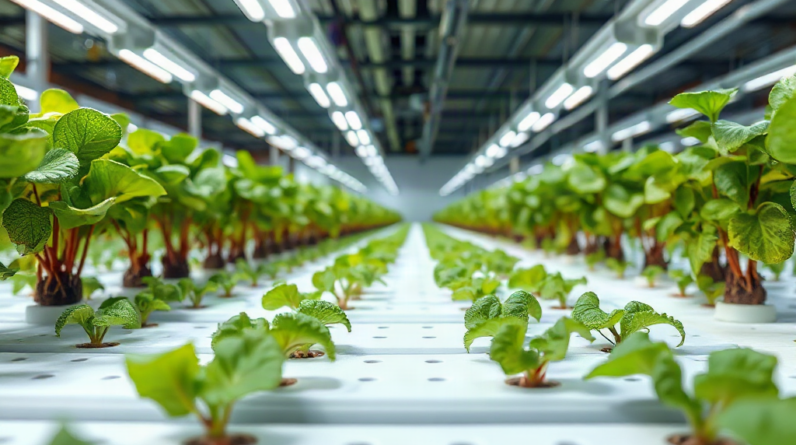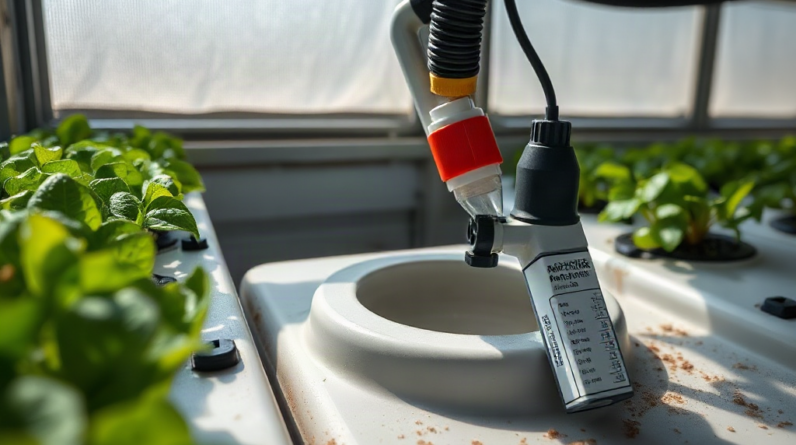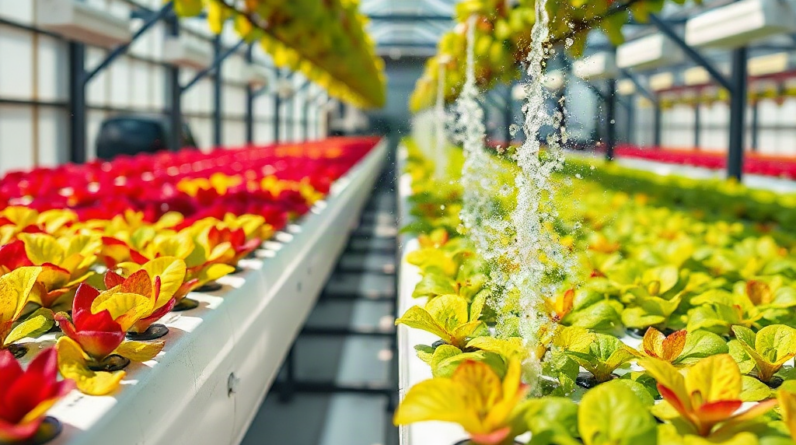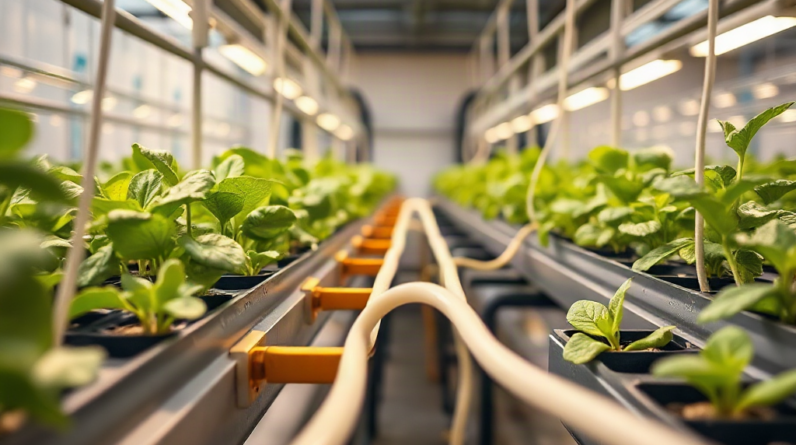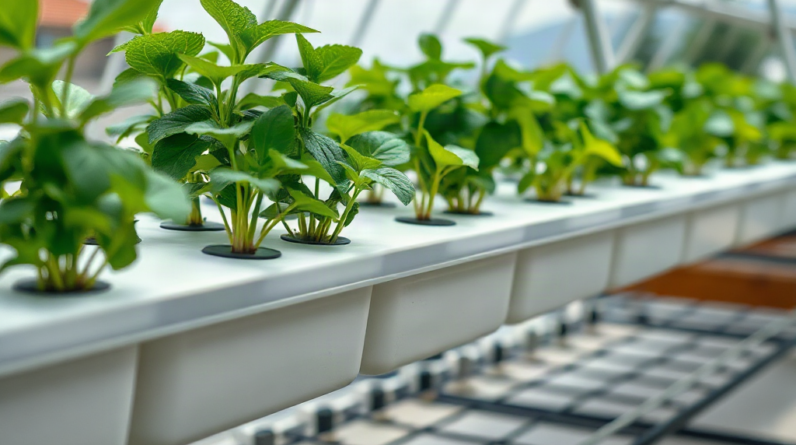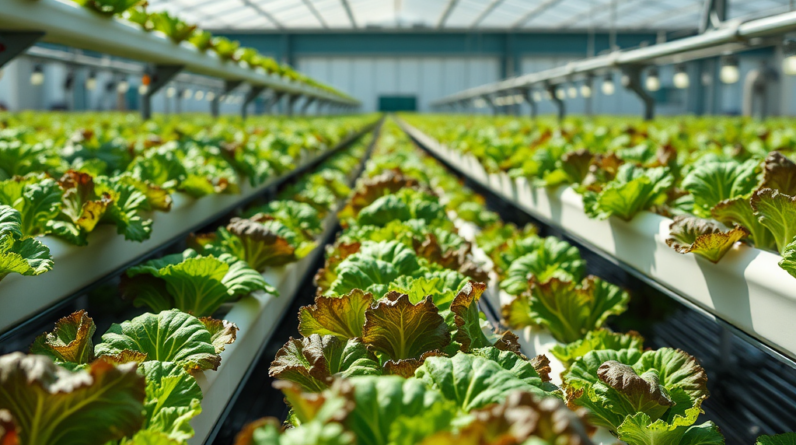
Common issues with hydroponic lettuce production include nutrient imbalances, inadequate lighting, and susceptibility to diseases. Nutrient deficiencies can lead to yellowing leaves and stunted growth, so it's essential to monitor the nutrient solution's pH and electrical conductivity regularly. Insufficient light can cause etiolation, resulting in weak stems and poor leaf development, while excessive light may burn the leaves. To optimize growth, aim for 12 to 16 hours of appropriate light daily and adjust the height of your lights as the plants grow. Additionally, implementing a robust pest and disease management strategy is vital to maintaining healthy plants.
Nutrient Imbalances
Nutrient imbalances are a prevalent issue in hydroponic lettuce production, often leading to suboptimal growth and yield. The key nutrients required for lettuce health include nitrogen, phosphorus, potassium, calcium, magnesium, and trace elements. If the nutrient solution is not properly balanced, plants may exhibit symptoms such as yellowing leaves or stunted growth.
Understanding the specific nutrient needs of lettuce at different growth stages is critical. For instance, during the vegetative stage, a higher nitrogen concentration can promote leafy growth, while a shift to a higher phosphorus and potassium ratio is beneficial during flowering. Regular monitoring of the nutrient solution’s pH and electrical conductivity (EC) can help prevent these imbalances, ensuring that plants receive the optimal nutrient mix.
Light Conditions
Light conditions significantly influence the growth of hydroponic lettuce. Insufficient light can hinder photosynthesis, leading to elongated stems and poor leaf development, a condition known as etiolation. Conversely, excessive light can cause leaf burn and stress. For optimal growth, it is essential to provide around 12 to 16 hours of light per day, depending on the variety of lettuce.
Using LED grow lights can effectively regulate light intensity and spectrum, which is crucial for maximizing growth rates. It’s important to adjust the height of the lights as plants grow to maintain the ideal distance, preventing light stress while ensuring adequate photosynthesis. A common mistake is to assume that all light sources are equal; understanding the specific light requirements for lettuce can lead to better growth outcomes.
Pest and Disease Management
Pests and diseases pose significant challenges in hydroponic lettuce production. Common pests include aphids, whiteflies, and spider mites, which can quickly infest a crop and lead to substantial damage. Furthermore, diseases like root rot, caused by pathogens in overly wet conditions, can devastate a crop.
Implementing integrated pest management (IPM) strategies is crucial. This includes regular monitoring for pests and diseases, introducing beneficial insects, and maintaining optimal environmental conditions to reduce stress on plants. Additionally, ensuring proper sanitation practices can help minimize the spread of pathogens. A proactive approach to pest and disease management is essential to maintaining healthy, productive crops.
Water Quality Issues
Water quality is a foundational element in hydroponic systems that can impact lettuce growth. Issues such as high levels of chlorine, heavy metals, or pathogens can adversely affect plant health. Regular testing of water quality parameters, including pH, EC, and the presence of contaminants, is vital.
Using filtered or reverse osmosis water can mitigate many of these issues, providing a cleaner water source for nutrient solutions. Additionally, ensuring that the water is at the appropriate temperature can enhance nutrient uptake and root health. A common pitfall is neglecting water quality, which can lead to unnoticed problems that hinder plant growth over time.
Frequently Asked Questions
What are the most common nutrient deficiencies in hydroponic lettuce?
The most common nutrient deficiencies in hydroponic lettuce include nitrogen, magnesium, and iron, which can lead to yellowing leaves and poor growth.
How can I tell if my hydroponic lettuce is getting enough light?
Signs of insufficient light include elongated stems, small leaves, and pale coloration. Adjusting light duration and intensity supports conditions.
What steps can I take to prevent pests in hydroponic systems?
Implementing proper sanitation, using beneficial insects, and regularly monitoring crops can help prevent pest infestations in hydroponic systems.
How often should I change the nutrient solution for hydroponic lettuce?
It is recommended to change the nutrient solution every 1-2 weeks to maintain optimal nutrient levels and prevent imbalances.
What water quality parameters should I monitor for hydroponic lettuce?
Key water quality parameters to monitor include pH, electrical conductivity (EC), and the presence of contaminants like chlorine and heavy metals.
Further Reading
Authoritative Sources
- USDA Hydroponics Research
nal.usda.govThis source provides valuable information on hydroponic practices and research findings
- Purdue University Hydroponic Lettuce Production
extension.purdue.eduA comprehensive guide on hydroponic lettuce production methods and best practices
- Nutrient Management in Hydroponics
hort.purdue.eduInsights on nutrient management strategies for hydroponic systems
Conclusion
Addressing common issues in hydroponic lettuce production is essential for achieving healthy, high-yield crops. By focusing on nutrient balance, light conditions, pest management, and water quality, growers can mitigate risks and enhance plant health. Regular monitoring and proactive management strategies will lead to more successful hydroponic growing experiences.