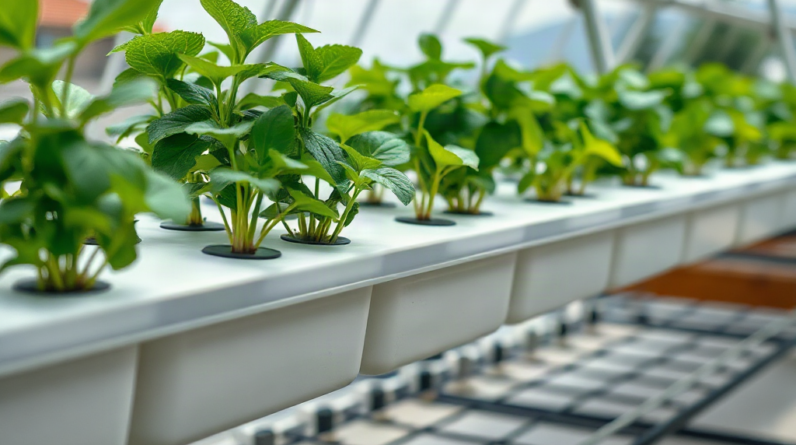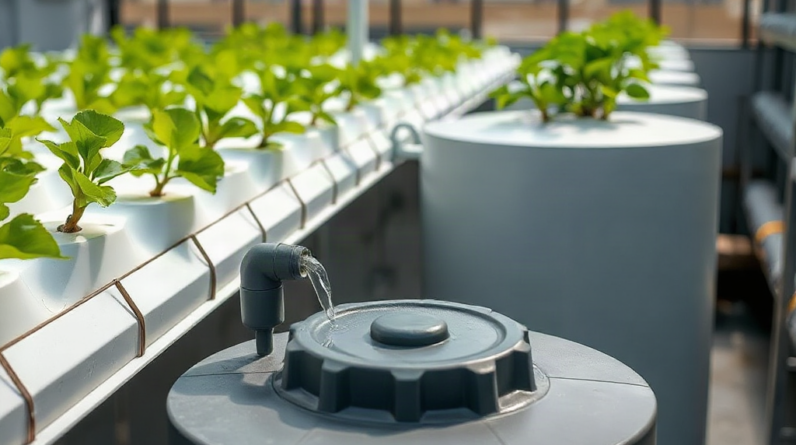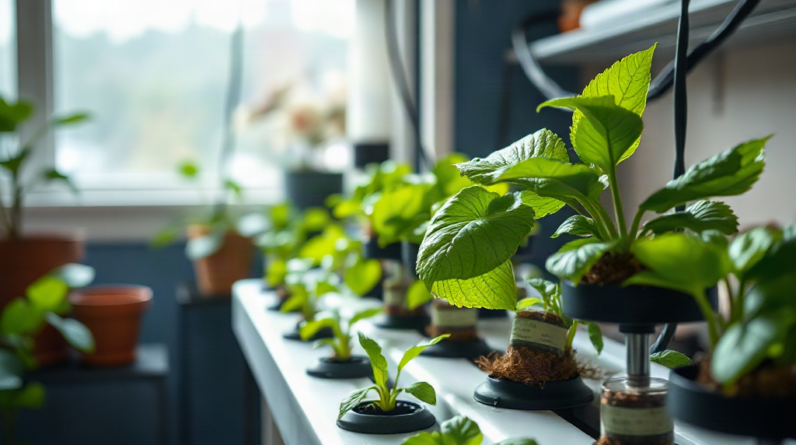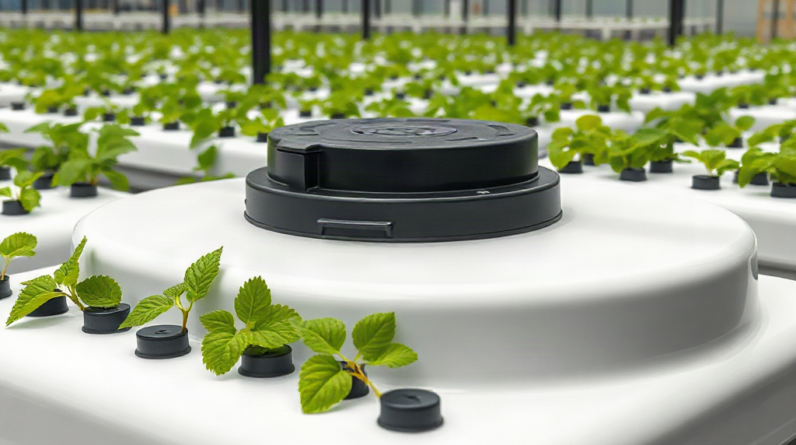
To create a hydroponic garden plan, begin by defining your gardening goals and assessing your available space. This includes measuring the area for height, width, and light access to determine the number of plants you can grow and the appropriate hydroponic system to use. Choose a system that aligns with your expertise and maintenance preferences, such as deep water culture or nutrient film technique, while also considering long-term operational costs. Additionally, select plants that are well-suited for hydroponics, as not all varieties will thrive in this environment. Avoid overcrowding by accurately planning your layout to ensure optimal growth conditions.
Defining Your Goals and Space
Before embarking on your hydroponic gardening journey, it is crucial to define your goals and assess the available space. Consider what you want to achieve: are you looking to grow food for personal consumption, or are you aiming to start a small-scale business? Understanding your objectives will guide your decisions throughout the planning process.
Next, evaluate the space you have available. Measure the area, considering height, width, and light access. This will help you determine how many plants you can effectively grow and what type of hydroponic system will fit best. A common mistake is underestimating space requirements, which can lead to overcrowding and reduced plant health.
Selecting the Hydroponic System
Choosing the right hydroponic system is vital for the success of your garden. Common systems include deep water culture (DWC), nutrient film technique (NFT), and aeroponics, each with its advantages and drawbacks. For instance, DWC is beginner-friendly and allows for quick plant growth, while NFT requires more precise monitoring of nutrient flow.
When selecting a system, consider your level of expertise, maintenance preferences, and budget. Each system has different requirements for water quality, nutrient delivery, and plant support. A poor choice can lead to difficulties in managing the garden effectively, so research each option thoroughly. A common oversight is neglecting to account for the long-term operational costs associated with different systems.
Choosing the Right Plants
Not all plants thrive in hydroponic systems, so selecting the right varieties is essential. Leafy greens, herbs, and certain fruits like strawberries tend to perform well in hydroponic setups. Consider climate adaptability, growth rate, and nutrient requirements when making your selections.
Additionally, understanding the growth cycle and spacing needs of your chosen plants will help you maximize your garden’s productivity. A typical mistake is planting too densely, which can hinder airflow and light penetration, ultimately affecting plant health. Experimenting with different crops can also provide insight into what works best in your specific setup.
Setting Up the Environment
The environment in which your hydroponic garden operates has a significant impact on plant growth. Factors such as light, temperature, humidity, and air circulation should be carefully controlled. For indoor setups, using grow lights can compensate for insufficient natural light, while outdoor gardens should be placed in areas with ample sunlight.
Temperature regulation is also critical; most plants prefer a stable range between 65°F and 75°F. Humidity levels should be monitored to prevent mold and disease, which can be a common issue in hydroponic systems. Ensuring proper airflow can help prevent these problems as well. A common error is neglecting these environmental factors, leading to poor plant health and reduced yields.
Frequently Asked Questions
What is the best hydroponic system for beginners?
Deep Water Culture (DWC) is often recommended for beginners due to its simplicity and effectiveness in promoting rapid plant growth.
How often should I check nutrient levels?
Nutrient levels should be checked weekly to ensure they remain within the optimal range for plant growth.
Can I grow fruiting plants hydroponically?
Yes, many fruiting plants like tomatoes and strawberries can be grown hydroponically, but they require more attention to nutrient and light levels.
What common mistakes should I avoid?
Common mistakes include overcrowding plants, neglecting environmental controls, and not monitoring nutrient levels regularly.
How much space do I need for a hydroponic garden?
The space required depends on the system and the number of plants; generally, plan for at least 2 square feet per plant for optimal growth.
Further Reading
Authoritative Sources
- USDA – Hydroponic Gardening
usda.govOffers guidance on sustainable practices and resources for hydroponic gardening
- National Extension – Hydroponics
extension.orgA comprehensive resource for research-based information on hydroponic systems
Conclusion
Creating a hydroponic garden plan is an exciting venture that requires careful consideration of goals, system selection, plant choice, and environmental controls. By thoroughly planning each aspect, you can set yourself up for a successful and productive hydroponic garden. Focus on maintaining proper conditions and regularly monitoring your plants to maximize yields and enjoy the benefits of this innovative gardening method.
Related Content
- The Compact Efficiency of Hydroponic Systems
- How to Start Growing Hydroponic Herbs Indoors
- Impact of Humidity on Hydroponic Plant Growth: Key Factors and Practical Effects
- The Ultimate Guide to Hydroponic Strawberry Setup (2025): 7 Effective Strategies
- Recovering Usable Water From Hydroponic Systems With Filtration, Testing, And Safe Reuse