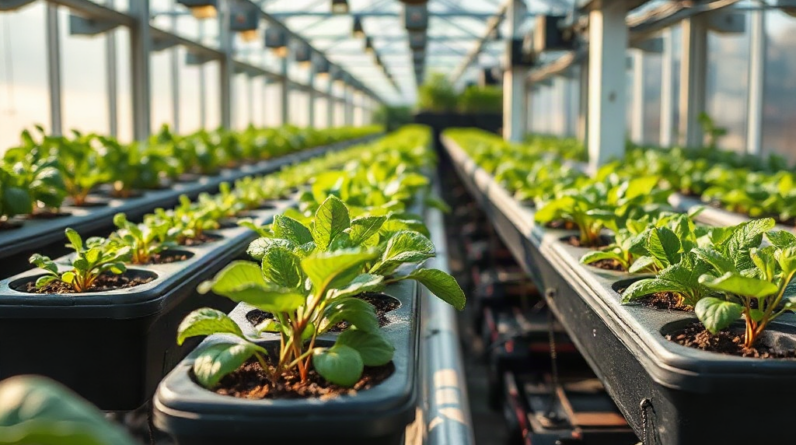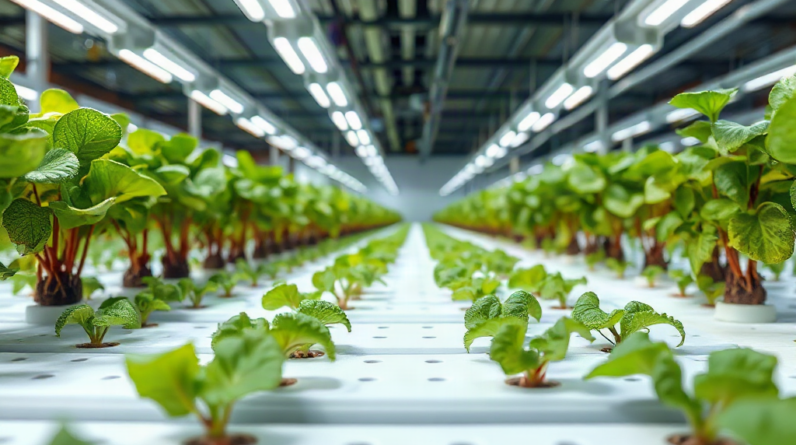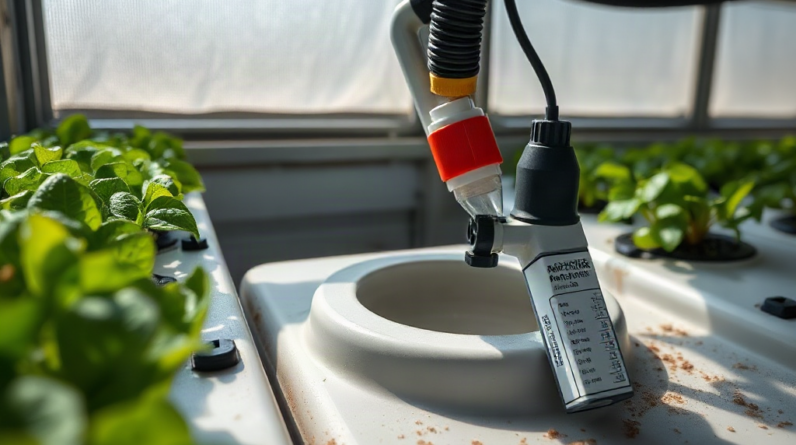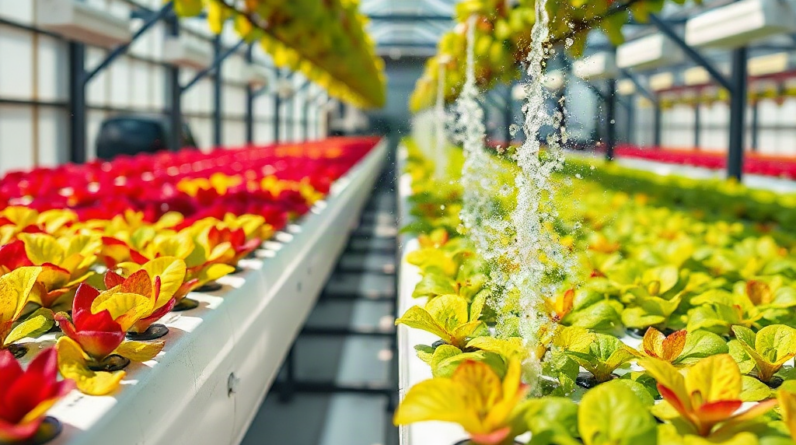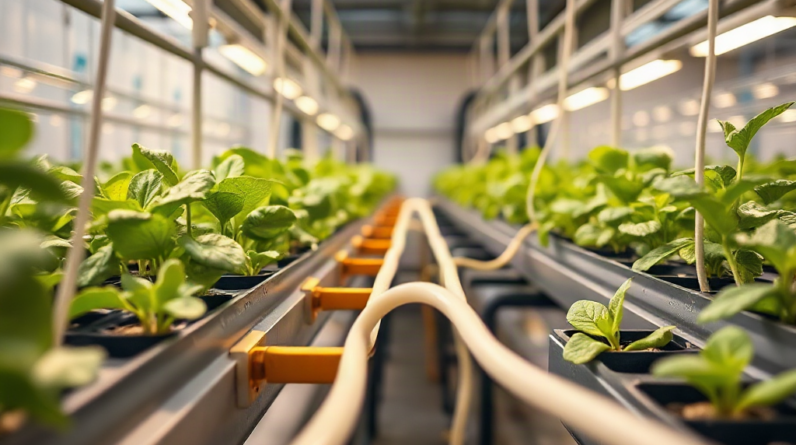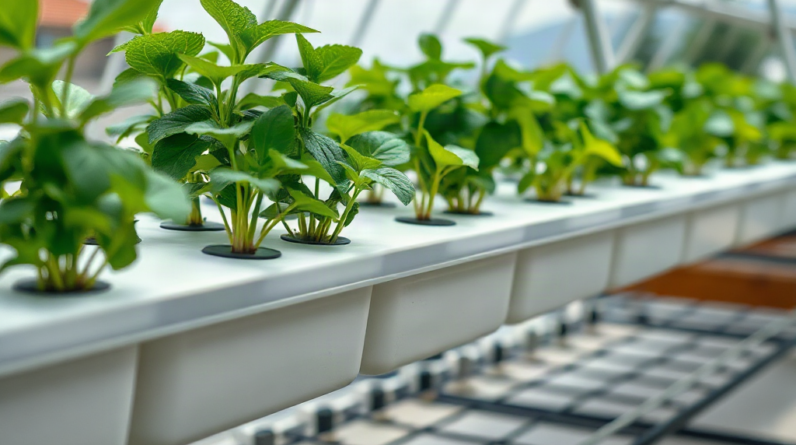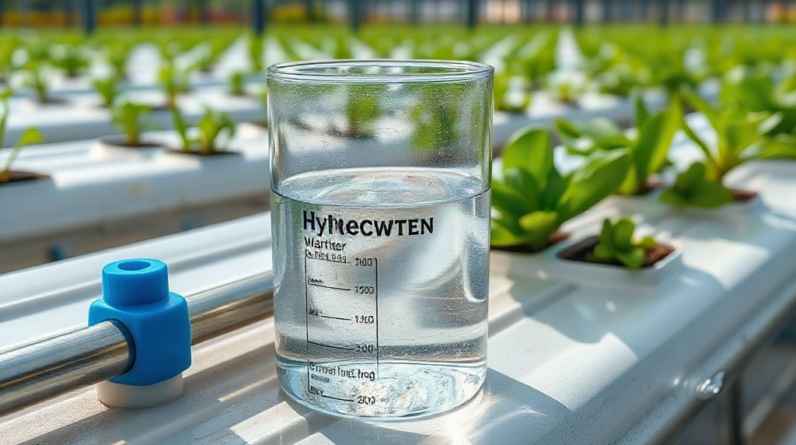
Recovering usable water from hydroponic systems means collecting runoff or drained solution, removing debris, testing its chemistry, and deciding whether it is suitable for plants, cleaning, or non-potable irrigation. The main limits are accumulated salts, changing nutrient ratios, root-zone pathogens, and contaminants introduced by dirty equipment or crop treatments. A practical method is to capture water in a clean container, filter suspended particles, measure pH and electrical conductivity, and compare the results with the needs of the next crop before reuse. Water that smells abnormal, contains disease residue, or has an unexplained chemistry shift should be discarded rather than repeatedly corrected. Reuse is a conservation strategy, not a substitute for regular reservoir management.
Which Hydroponic Water Can Be Recovered
Recoverable water is not a single category. A small amount of clean condensate, a reservoir drained after a short growing interval, and nutrient-rich runoff from a heavily fed crop have very different reuse prospects. Water from a closed deep-water culture or recirculating system is usually easier to evaluate because its source is known. Runoff from containers can carry peat or coco particles, root fragments, concentrated salts, and microbes from the growing medium.
The first distinction is between water that has merely moved through the system and water that has become chemically or biologically compromised. Evaporation removes water while leaving dissolved minerals behind, so topping up a reservoir does not restore the original formula. Plants also absorb ions at different rates. A solution may show an acceptable electrical conductivity reading while its nitrate, potassium, calcium, or micronutrient balance has drifted. Conductivity indicates total ionic strength; it does not identify every nutrient or reveal whether a pathogen is present.
Consider a leafy-green reservoir that has been running for several days. If roots are white and firm, the tank is free of sediment, and pH and conductivity remain within the grower’s intended range, partial recovery may be reasonable. A reservoir containing slimy roots, a sour odor, unexplained cloudiness, or evidence of root disease belongs in a different category. Sending that water into a second crop spreads the original problem and makes diagnosis harder.
Water recovered from a system treated with pesticides, disinfectants, or other crop-protection products requires particular caution. Do not assume that dilution makes residues harmless, and do not use such water on edible plants unless the product label and applicable local guidance clearly support that use. The safest priority is source separation: collect clean drainage separately from questionable liquid, label containers, and never combine them just to increase volume.
A useful working classification is simple:
- Low-risk process water: clean condensate or water from a recently cleaned system with no nutrient load.
- Conditional reuse water: clear nutrient solution or runoff that passes visual, odor, pH, and conductivity checks.
- Reject water: liquid linked to disease, chemical contamination, heavy sediment, or unexplained system failure.
That classification prevents a common weak assumption: all water leaving a hydroponic garden is waste, but all of it is not automatically suitable for the next reservoir.
Filtering, Testing, And Storage Before Reuse
Physical filtration is the first useful treatment because it removes material that can clog pumps, foul emitters, and shelter unwanted organisms. Pour collected liquid through a clean mesh screen or an appropriately rated filter into a sanitized container. Filtering does not remove dissolved salts, rebalance nutrients, or guarantee biological safety. It is a mechanical step, not a complete purification method.
Testing should follow filtration rather than replace it. Measure pH and electrical conductivity with calibrated meters, and record the source, date, crop, and any recent additions. A reading that differs sharply from the active reservoir may indicate evaporation, excessive fertilizer concentration, root leakage, or a measurement problem. Water from a nutrient film technique channel may be relatively dilute compared with water collected from a container that has dried back between irrigations.
Do not chase a target number without considering the next use. A mildly concentrated solution might be diluted and applied to an established, nutrient-tolerant ornamental crop, yet still be unsuitable for seedlings or a freshly mixed leafy-green reservoir. Conversely, water with low conductivity may be useful as part of a fresh mix but may contain too little information about biological quality. The intended destination determines how much uncertainty is acceptable.
Short-term storage conditions
Use opaque, covered containers made from materials intended for water storage, and keep them cool and away from direct light. Light can encourage algae in containers that contain nutrients. Long storage also gives microbes time to multiply, especially when the liquid is warm and aerated inconsistently. A container should be labeled as recovered hydroponic water rather than mistaken for fresh source water.
For a small garden, a practical check sequence is:
- Inspect the liquid for roots, sediment, film, unusual color, and odor.
- Filter it with clean equipment and prevent the collection container from touching dirty floors or drains.
- Measure pH and conductivity, then compare both readings with the destination crop and fresh-water supply.
- Use it promptly after a controlled dilution, or discard it if storage conditions or source history are uncertain.
Sanitation matters more than elaborate equipment. A dirty funnel can reintroduce the contamination that filtration removed. Reusable filters need cleaning according to their material and design; rinsing a slimy screen under a tap is not the same as sanitizing it. Where local water-quality rules or commercial food-safety requirements apply, household testing is not a substitute for those requirements.
Readers working on Recovering usable water from hydroponic systems should treat pH and conductivity as screening tools. They help identify obvious chemistry problems, but they cannot certify water as pathogen-free or drinking water. That distinction is central to responsible reuse.
Choosing A Safe Reuse Path
The safest reuse path matches water quality to a lower-risk, clearly defined job. Recovered liquid may be diluted into a fresh nutrient batch, used for non-edible ornamental plants, or reserved for cleaning hard surfaces before a final rinse. It should not be offered as drinking water, used to wash harvested produce, or discharged into a place where concentrated nutrients can reach a sensitive waterway.
Blending is usually more controllable than returning old solution directly to a reservoir. For example, a grower can make a fresh batch with source water and nutrients, then add a measured portion of screened recovery water while monitoring the final conductivity. This preserves control over the new recipe. Returning a full unknown-strength container to the tank can push conductivity upward and make later nutrient adjustments guesswork.
Crop stage changes the decision. Seedlings and newly transplanted plants have less tolerance for concentrated salts and unstable chemistry than established plants. A recovery batch that is acceptable for mature basil may be a poor choice for lettuce seedlings. Sensitive crops also make biological uncertainty more costly because a small contamination event can affect an entire shared reservoir.
System design creates another tradeoff. In a small recirculating setup, capturing a modest amount of runoff may save water but require more labor than the volume justifies. In a larger operation, separate collection lines, settling tanks, filters, and monitoring may make recovery practical. The equipment should follow the risk and volume; buying a fine filter without a sanitation and testing process adds complexity without solving the core problem.
A grower deciding whether to reuse can ask:
- Is the source and recent treatment history known?
- Does the liquid pass visual and odor checks?
- Are pH and conductivity compatible with the intended destination?
- Can the water be diluted, used promptly, and kept separate from clean supplies?
- Would disposal be safer than spreading an uncertain problem?
When the answer to the last question is yes, disposal is a valid management decision. Water conservation does not justify transferring root disease, fertilizer accumulation, or chemical residue to another crop. The same principle applies when exploring water recovery choices: preserve the useful fraction without pretending that every fraction has equal value.
Common Recovery Mistakes And Better Decisions
The most common mistake is treating clarity as proof of safety. Clear water can still contain dissolved fertilizer, a shifted nutrient balance, or microorganisms that are not visible. The opposite mistake is rejecting every nutrient-bearing discharge without checking whether it could be diluted for a suitable non-food use. Both decisions ignore the source and destination.
Another failure occurs when growers use conductivity as a complete nutrient test. Conductivity can reveal that a solution is broadly more or less concentrated, but two solutions with similar readings may have different nutrient profiles. Plants can remove some ions faster than others, and evaporation can concentrate everything that remains. If a crop has shown tip burn, chlorosis, stunting, or unexplained root decline, recycling its solution without correcting the underlying issue repeats the exposure.
Mixing recovery water from different crops also reduces traceability. Combining runoff from tomatoes, herbs, and a diseased plant may create a larger tank, but it removes the ability to identify which source changed the chemistry or introduced contamination. Separate labeled containers are more useful than one large untracked reservoir.
Improve the process by recording a few operational details: collection point, date, crop stage, reservoir age, recent additives, pH, conductivity, appearance, and final use. Patterns become visible after several cycles. If conductivity rises rapidly after each top-up, evaporation or an undersized reservoir may be the real issue. If sediment repeatedly blocks emitters, the collection method or medium may need attention rather than a finer filter alone.
Signs that a recovery approach is working include predictable readings after dilution, clean filters, no unusual odor, stable pump performance, and no new crop symptoms after a cautious trial. Failure signs include unexplained chemistry swings, recurring biofilm, clogged irrigation hardware, or symptoms appearing in plants that received the recovered batch. Stop the trial when those signs appear, isolate the water, and evaluate the original system before attempting another reuse cycle.
For a home grower, the most defensible approach is modest: recover only known-source water, test it, dilute it into a clearly labeled batch, and trial it on an appropriate crop or non-edible planting. For a commercial operation, validation may require documented sanitation, water-quality testing, and advice from the relevant agricultural or public-health authority. More equipment does not remove the need for those controls.
Frequently Asked Questions
Can recovered hydroponic water go straight back into the reservoir?
Usually it is better to filter and test it first, then add a measured portion to a fresh batch. Direct return can increase salts and carry sediment or pathogens into the shared system.
Does a low electrical conductivity reading mean the water is safe?
No. Conductivity indicates dissolved ionic strength, not pathogen status, chemical residues, or complete nutrient balance. It should be combined with source history, visual inspection, odor checks, and appropriate testing.
Should runoff from a diseased plant be reused?
It is generally safer to reject it, especially when the water is entering a shared recirculating system. Reuse can spread the suspected problem and complicate diagnosis.
Is recovered nutrient water suitable for seedlings?
Not automatically. Seedlings are more sensitive to concentrated salts and unstable chemistry, so fresh, controlled solution is usually the lower-risk option unless recovery water is well characterized and properly diluted.
How long can recovered water be stored?
Use it promptly rather than relying on long storage. Covered, opaque, cool storage may slow algae and microbial growth, but it does not make uncertain water safer or preserve its original nutrient profile indefinitely.
Conclusion
Successful water recovery depends on discrimination, not simply collecting every discharge. Separate clean process water from nutrient-rich runoff and from liquid associated with disease or chemical treatments. Filter suspended material, record the source, check pH and conductivity, and match the water to a suitable destination and crop stage. Diluting a known solution into a fresh batch offers more control than returning an entire unknown container to the reservoir. Keep recovery batches labeled and short-lived, watch for clogged equipment or new plant symptoms, and stop when the evidence becomes unclear. A conservative reuse decision may save water without sacrificing crop health, while questionable liquid should be discarded through an appropriate local method rather than passed to another crop.