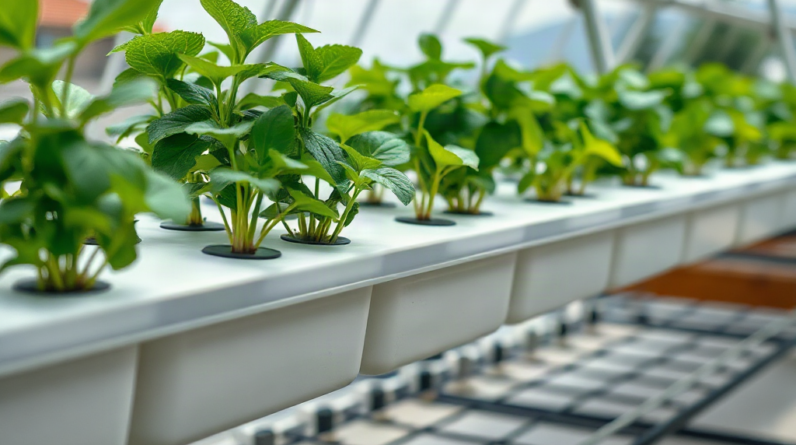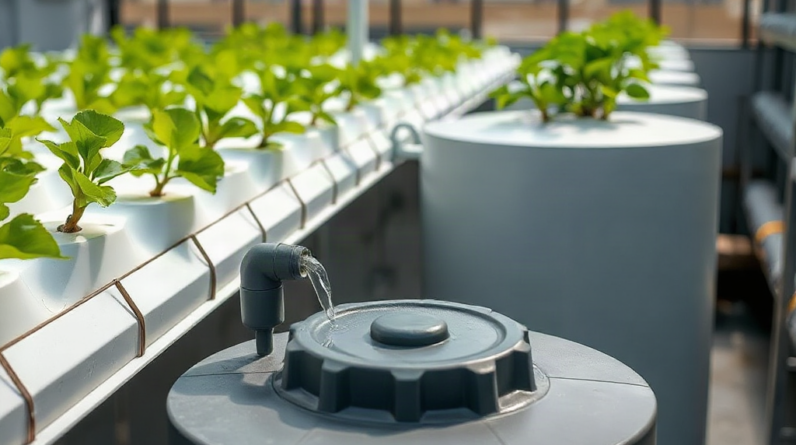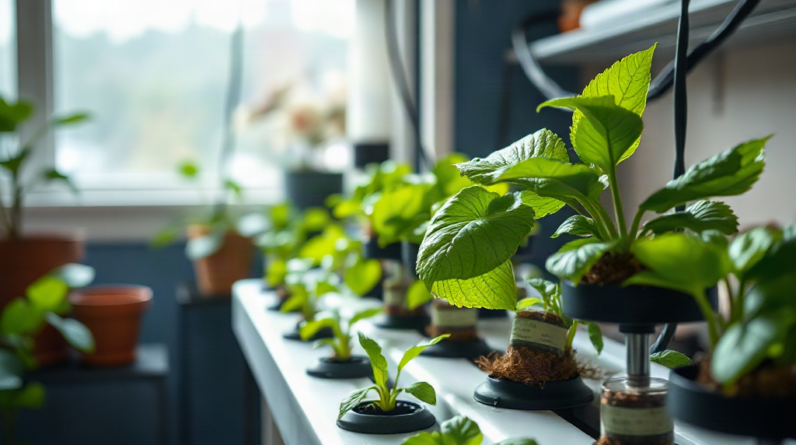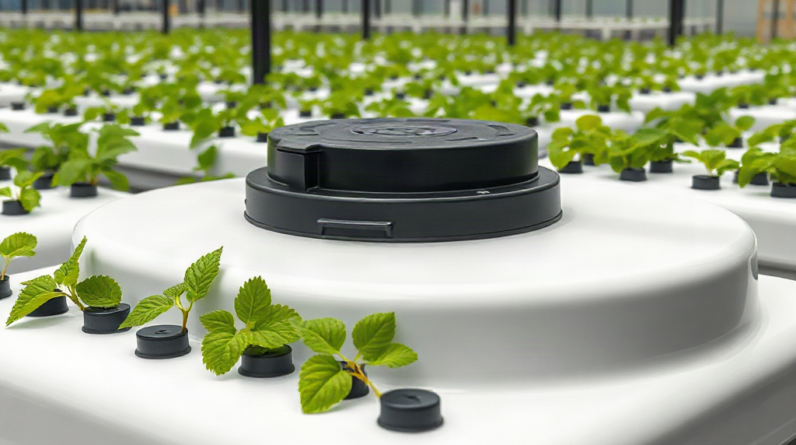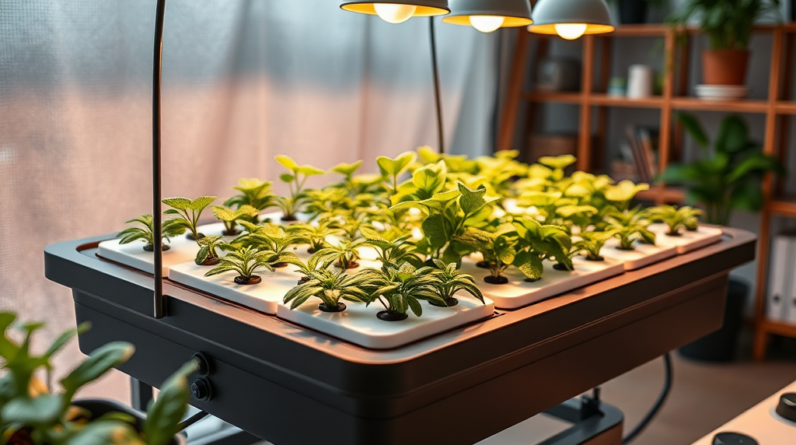
A hydroponic planter system is a soilless cultivation method that uses nutrient-rich water to grow plants efficiently. This system allows for enhanced growth rates and yields, making it ideal for urban environments where soil quality may be inadequate. To successfully set up a hydroponic planter, ensure you select an appropriate growing medium, such as rock wool or clay pellets, which supports plant roots while facilitating drainage. Additionally, maintain a balanced nutrient solution to provide essential elements for plant health, and implement a reliable water delivery system to circulate nutrients effectively. Avoid common pitfalls like over-fertilizing or neglecting water quality, as these can hinder plant growth and lead to poor yields.
Understanding Hydroponic Planter Systems
A hydroponic planter system is a soilless growing method that relies on nutrient-rich water to cultivate plants. This approach allows for precise control over nutrient delivery and can result in faster plant growth and higher yields. Hydroponic systems can vary in design, from simple container setups to complex automated systems. Understanding the underlying principles of hydroponics, including the importance of water quality, nutrient balance, and light exposure, is crucial for successful plant growth.
In hydroponics, plants receive all necessary nutrients directly from the water solution, which eliminates the need for soil. This method can be particularly beneficial in urban settings where soil quality may be poor or limited space is a concern. As hydroponic systems eliminate soil, they also reduce the risk of soil-borne diseases, making it easier to maintain healthy plants.
Essential Components of a Hydroponic Planter System
To set up a hydroponic planter system, several key components are necessary. These include a growing medium, a nutrient solution, a water delivery system, and a light source. The growing medium, such as rock wool or clay pellets, supports the plants while allowing for proper drainage and aeration. The nutrient solution must be carefully formulated to provide all essential macro and micronutrients required for plant health.
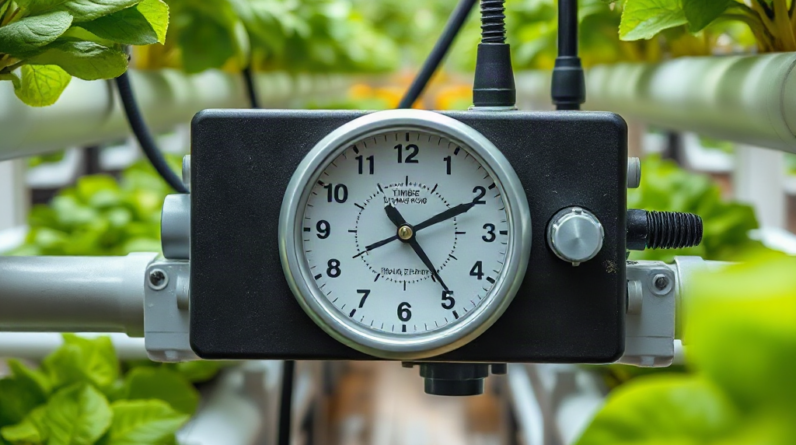
A water delivery system, which may include pumps and tubing, is essential for circulating the nutrient solution to the plants. Some systems utilize a reservoir to hold the nutrient solution, while others may be designed for automated feeding. Additionally, adequate lighting is crucial, particularly for indoor setups, to ensure that plants receive the necessary light for photosynthesis. LED grow lights are often recommended for their efficiency and effectiveness.
Benefits of Using Hydroponic Planter Systems
Hydroponic planter systems offer numerous advantages over traditional soil-based gardening. One significant benefit is the ability to grow plants in a controlled environment, which can lead to faster growth rates and higher yields. Without soil competition, plants can access nutrients more efficiently, leading to healthier and more productive crops.
Another advantage is the reduced water usage associated with hydroponics. These systems typically use 70-90% less water than conventional farming methods, as the water is recirculated and reused. This makes hydroponics an environmentally friendly option, especially in regions where water scarcity is an issue. Additionally, hydroponic systems allow for year-round cultivation, enabling growers to produce fresh produce regardless of seasonal constraints.
Common Mistakes to Avoid When Setting Up
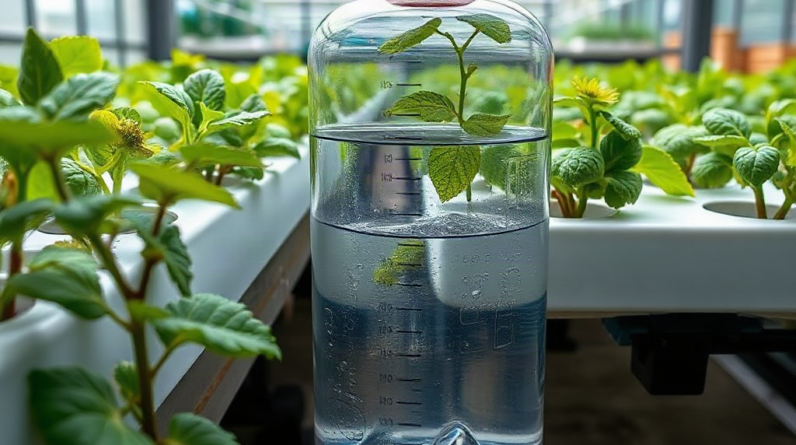
While hydroponic gardening can be highly rewarding, several common mistakes can hinder success. One frequent error is failing to monitor and adjust nutrient levels in the solution. Imbalanced nutrients can lead to poor plant health and reduced yields. Regular testing of the nutrient solution is essential to ensure optimal growing conditions.
Another common mistake is neglecting to provide adequate light for the plants. Insufficient light can stunt growth and affect the overall health of the plants. Growers should invest in quality lighting and ensure that it is positioned correctly to provide even coverage. Additionally, overwatering can be detrimental; it’s crucial to maintain proper moisture levels without waterlogging the roots.
Frequently Asked Questions
What types of plants can be grown in a hydroponic planter system?
Many plants can thrive in hydroponic systems, including leafy greens, herbs, and even fruiting plants like tomatoes and peppers.
How often should I change the nutrient solution?
It is recommended to change the nutrient solution every 1-2 weeks to maintain optimal nutrient levels and prevent imbalances.
Can I use tap water for my hydroponic system?
Tap water can be used, but it's essential to test for chlorine and other contaminants that may affect plant growth.
What is the best growing medium for hydroponics?
Common growing mediums include rock wool, coconut coir, and clay pellets, each offering different benefits for plant stability and drainage.
Is hydroponic gardening more expensive than traditional gardening?
Initial setup costs can be higher for hydroponics, but long-term savings on water and space, along with higher yields, can offset these expenses.
Further Reading
Authoritative Sources
- Hydroponics.org
hydroponics.orgThis resource provides comprehensive information on hydroponic systems and techniques
- USDA Agricultural Research Service
usda.govThe USDA offers insights into sustainable farming practices, including hydroponics
- eXtension: Hydroponics
extension.orgEXtension provides research-based information on hydroponic systems and best practices
Conclusion
Hydroponic planter systems present an innovative solution for modern gardening, offering numerous benefits such as faster growth, higher yields, and reduced water usage. By understanding the essential components and avoiding common pitfalls, anyone can successfully cultivate plants hydroponically. As interest in sustainable practices grows, hydroponics stands out as a viable option for both urban and rural gardeners seeking efficient and productive methods of food production.