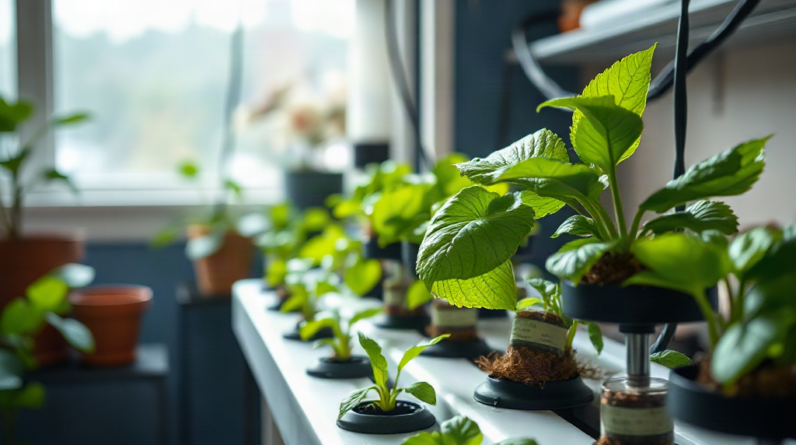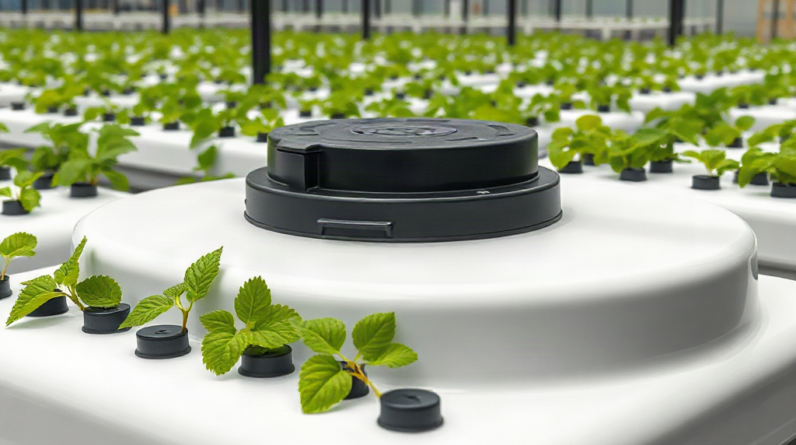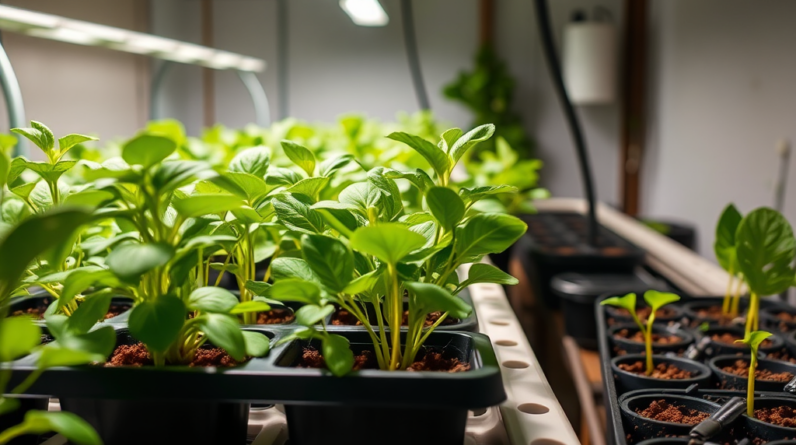
Growing hydroponically indoors allows you to cultivate plants without soil, using nutrient solutions that promote optimal growth. To achieve success, focus on providing adequate light, maintaining stable temperature and humidity levels, and regularly checking nutrient concentrations. A common pitfall is overwatering, which can lead to root rot; instead, monitor water levels closely and adjust as needed. Selecting the right hydroponic system, such as Deep Water Culture for beginners, can simplify the process and enhance plant health. By prioritizing these elements, you can create a thriving indoor garden year-round.
Understanding Hydroponics
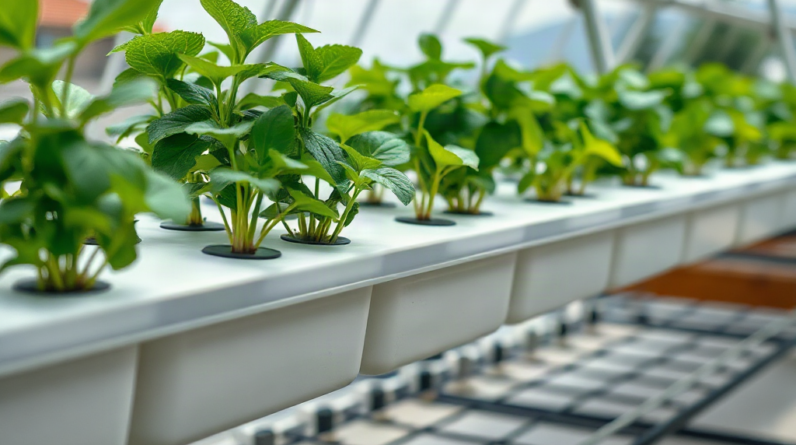
Hydroponics is a method of growing plants without soil, using a nutrient solution to deliver essential minerals directly to the roots. This system allows for greater control over the growing environment, leading to faster growth rates and higher yields compared to traditional soil gardening. The key benefits include less water usage, reduced pest issues, and the ability to grow year-round indoors.
In indoor hydroponics, plants often thrive in controlled environments where factors such as temperature, humidity, and light can be meticulously managed. This control minimizes the impact of external weather conditions and pests, allowing for more consistent plant growth. Understanding the basic principles of hydroponics, including nutrient delivery and root support, is crucial for success.
Choosing the Right Hydroponic System
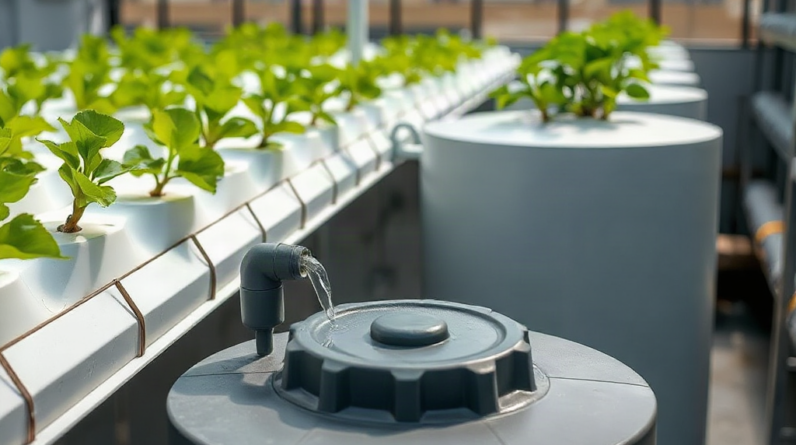
Selecting the appropriate hydroponic system is vital for optimal plant growth. Various systems exist, including Nutrient Film Technique (NFT), Deep Water Culture (DWC), and Ebb and Flow systems. Each system has its advantages and challenges, and the choice often depends on the types of plants you wish to grow and the available space.
For beginners, Deep Water Culture is often recommended due to its simplicity and effectiveness. In this setup, plant roots are submerged in a nutrient-rich solution, allowing for easy access to water and nutrients. On the other hand, Ebb and Flow systems can be more complex but are suitable for growing a wider variety of plants. Assessing your space, budget, and plant preferences will help in making an informed decision.
Optimal Lighting for Indoor Hydroponics
Light is a critical component in indoor hydroponics, as plants rely on it for photosynthesis. Without sufficient light, plants may become leggy, weak, or fail to produce fruit. When growing hydroponically indoors, consider using LED grow lights, which are energy-efficient and can be tailored to provide specific light spectrums beneficial for plant growth.
Different plants have varying light requirements, so it’s essential to research the specific needs of your chosen crops. Generally, leafy greens require less light than fruiting plants like tomatoes or peppers. Positioning the lights at the correct distance from the plants and maintaining a consistent light schedule will significantly affect growth rates and overall plant health.
Managing Nutrients and Water
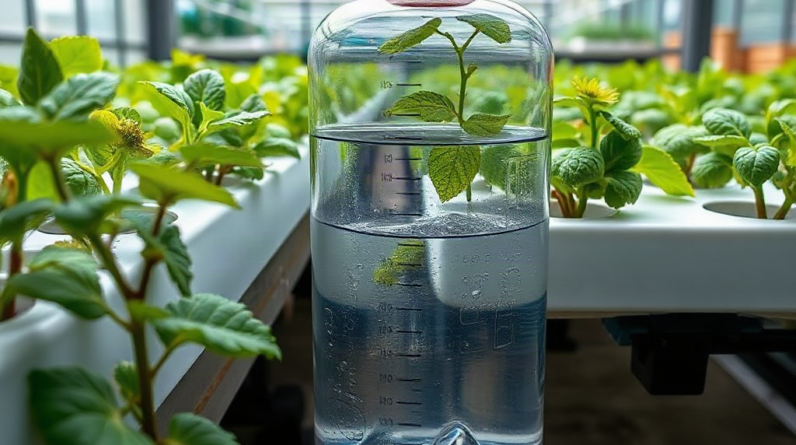
In hydroponics, managing the nutrient solution is crucial for plant health. Plants receive nutrients directly through the water, so it’s important to monitor pH levels and nutrient concentrations regularly. A pH range of 5.5 to 6.5 is generally optimal for most hydroponic plants.
Common nutrient solutions are available commercially, but it’s important to match the solution to the specific growth stage of the plants. Seedlings require different nutrient ratios than mature plants. Additionally, ensuring proper water oxygenation can prevent root rot and promote healthy growth. Regularly changing the nutrient solution can also help prevent imbalances and toxicity.
Common Challenges and Solutions
Despite its advantages, growing hydroponically indoors comes with challenges. Common problems include algae growth, nutrient imbalances, and pests. Algae can thrive in nutrient-rich solutions, so it’s important to keep systems clean and minimize light exposure to the nutrient reservoir.
Pest management is also crucial; while hydroponic systems can reduce some pest issues, they are not immune. Implementing preventative measures, such as using insecticidal soaps or introducing beneficial insects, can help manage infestations. Regular monitoring of plants for signs of stress or disease will enable early intervention, ensuring a thriving indoor garden.
Frequently Asked Questions
What is the easiest plant to grow hydroponically indoors?
Lettuce is often considered the easiest plant to grow hydroponically indoors due to its quick growth cycle and low light requirements.
How often should I change the nutrient solution?
It is recommended to change the nutrient solution every two to three weeks to maintain optimal nutrient levels and prevent imbalances.
Can I use tap water for hydroponics?
While tap water can be used, it is essential to test the pH and nutrient levels, as chlorine and other chemicals can affect plant growth.
Is hydroponics more expensive than traditional gardening?
While initial setup costs can be higher, hydroponics often leads to higher yields and can save money in the long term due to reduced resource use.
What common mistakes should I avoid in hydroponic gardening?
Common mistakes include overwatering, poor light management, and neglecting nutrient monitoring, all of which can hinder plant growth.
Further Reading
Authoritative Sources
- Hydroponics Basics
hydroponics.comThis resource provides comprehensive information on various hydroponic systems and their applications
- Indoor Gardening Tips
gardeningknowhow.comA valuable guide for managing indoor gardens, including hydroponic setups
- USDA Plant Growth Resources
usda.govOfficial guidelines and resources for sustainable plant growth and nutrient management
Conclusion
Growing hydroponically indoors offers a unique opportunity to cultivate plants in a controlled environment, maximizing growth potential and resource efficiency. By understanding the fundamentals of hydroponics, selecting the right system, and managing light and nutrients effectively, you can create a thriving indoor garden. Regular monitoring and addressing common challenges will help ensure long-term success in your hydroponic endeavors.