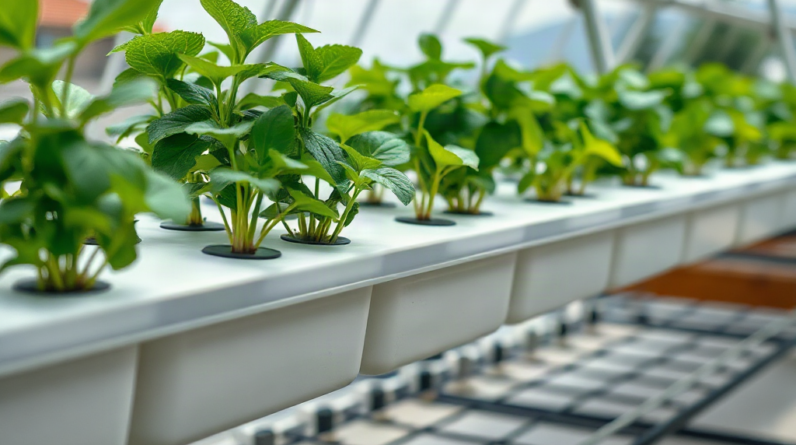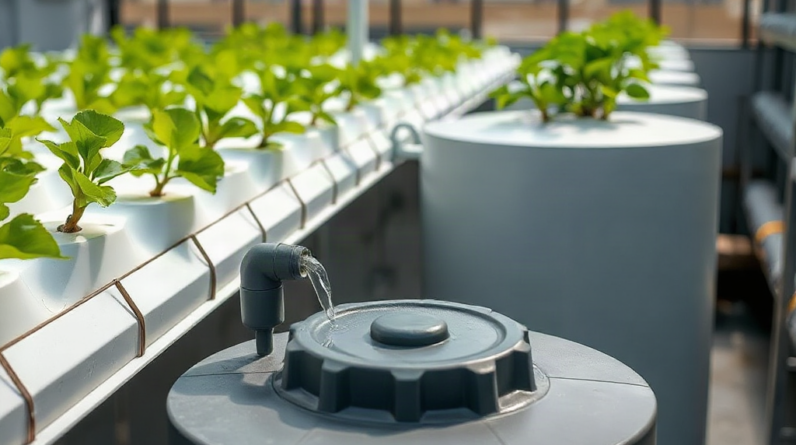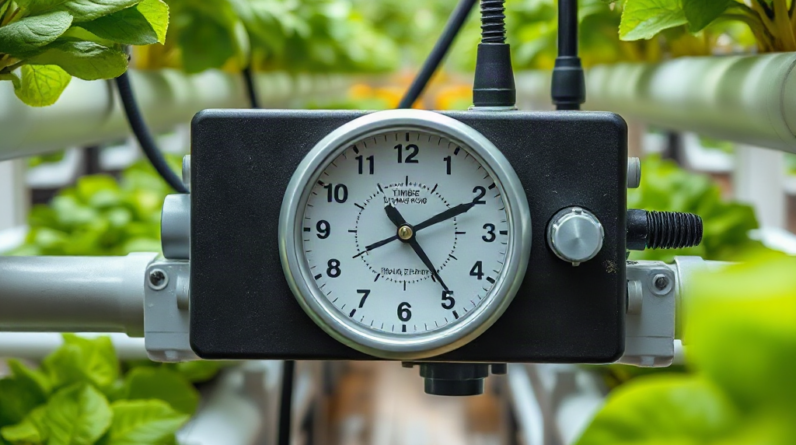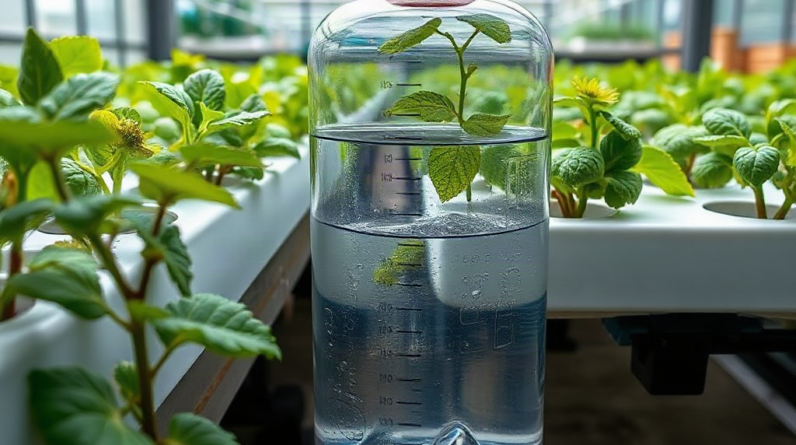
Common issues with hydroponic spinach production often stem from nutrient imbalances, pest infestations, and environmental control challenges. Nutrient deficiencies or excesses can lead to poor growth and quality, so monitoring the nutrient solution's pH and electrical conductivity is essential. Pests like aphids and spider mites can quickly damage plants, making early detection and integrated pest management strategies vital. Additionally, maintaining optimal environmental conditions, such as light and temperature, is crucial to prevent issues like bolting.
Understanding Nutrient Imbalances
Nutrient imbalances are a primary concern in hydroponic spinach production, as they directly affect plant health and yield. Spinach requires a balanced supply of nitrogen, phosphorus, potassium, and micronutrients. An excess of one nutrient can lead to deficiencies in another, causing stunted growth or poor leaf quality. For instance, too much nitrogen can result in lush foliage but weak stems, making plants more susceptible to diseases.
Monitoring the nutrient solution’s electrical conductivity (EC) and pH levels is crucial. A typical pH range for spinach is between 6.0 to 7.0. Regular testing allows growers to adjust nutrient concentrations and ensure plants receive the right amounts. A common pitfall is assuming that all hydroponic systems provide equal nutrient distribution; however, variations in system design can affect how nutrients are delivered to plants.
Pest Management Strategies
Pest infestations can severely impact hydroponic spinach production, leading to reduced yields and compromised plant health. Common pests include aphids, spider mites, and whiteflies. These pests thrive in warm, humid environments, making hydroponic systems particularly vulnerable. Early detection is key; growers should regularly inspect plants for signs of infestation.
Implementing integrated pest management (IPM) strategies can mitigate these risks. Biological controls, such as introducing beneficial insects like ladybugs, can help keep pest populations in check. Additionally, maintaining cleanliness in the growing area and using physical barriers, such as insect netting, can prevent pest entry. A frequent error is relying solely on chemical pesticides, which can lead to pest resistance and disrupt the ecological balance in the system.
Environmental Control Factors
Environmental factors play a significant role in the success of hydroponic spinach production. Light, temperature, and humidity must be carefully controlled to create optimal growing conditions. Spinach thrives in cooler temperatures, ideally between 60°F to 70°F (15°C to 21°C). Excessive heat can lead to bolting, where plants prematurely flower and produce seeds instead of edible leaves.
Proper lighting is also essential, especially in indoor systems. Spinach requires about 12-14 hours of light daily. Using full-spectrum LED grow lights can help simulate natural sunlight, promoting healthy growth. Humidity levels should be maintained between 50% to 70% to prevent fungal diseases. A common mistake is failing to adjust these environmental factors as plants grow, leading to stress and decreased productivity.
Common Mistakes in Hydroponic Spinach Production
Several common mistakes can hinder successful hydroponic spinach production. One of the most significant is neglecting regular maintenance of the system. Algae buildup in the nutrient reservoir can compete with plants for nutrients and lead to clogs in the system. Regular cleaning and system checks are essential for optimal performance.
Another mistake is overwatering or underwatering plants. While hydroponics uses a water-based nutrient solution, ensuring that spinach roots have adequate access to oxygen is crucial. Systems that are too saturated can suffocate roots, while those that are too dry can stress the plants. Growers should observe their plants closely and adjust watering schedules based on plant needs and environmental conditions.
Frequently Asked Questions
What are the signs of nutrient imbalances in hydroponic spinach?
Signs of nutrient imbalances include yellowing leaves, stunted growth, and leaf tip burn. Regular testing of nutrient solutions can help prevent these issues.
How can I prevent pest infestations in my hydroponic system?
Prevent pest infestations by maintaining cleanliness, using physical barriers, and introducing beneficial insects. Regular inspections are also essential for early detection.
What temperature is ideal for growing hydroponic spinach?
The ideal temperature for growing hydroponic spinach is between 60°F to 70°F (15°C to 21°C) to promote healthy growth and prevent bolting.
How often should I check the nutrient solution?
It is advisable to check the nutrient solution at least once a week to monitor EC and pH levels and make necessary adjustments.
What are the common mistakes to avoid in hydroponic spinach production?
Common mistakes include neglecting system maintenance, overwatering or underwatering, and failing to monitor environmental conditions regularly.
Further Reading
Authoritative Sources
- USDA Hydroponic Guidelines
usda.govThis resource provides comprehensive guidelines for hydroponic production, including nutrient management and pest control
- University Extension Services
extension.orgOffers research-based information on hydroponic systems, including best practices for growing spinach
- NRCS Hydroponics
nrcs.usda.govProvides resources on sustainable practices in hydroponics and environmental considerations
Conclusion
Addressing common issues in hydroponic spinach production is crucial for achieving healthy plants and maximizing yields. Focus on balancing nutrient levels, implementing effective pest management strategies, and controlling environmental conditions. Regular monitoring and adjustments will help prevent many of the pitfalls that can arise during cultivation. By being proactive and informed, growers can successfully navigate the challenges of hydroponic spinach production.
Related Content
- Ivy Harlow
- Improve Reservoir Maintenance Access in Hydroponics With a 7-Point Retrofit Plan
- Food-Grade Materials For Hydroponic Systems: Plastics, Metals, Sealants, And Safe Selection
- Do I Need To Soak Seeds Before Planting In Hydroponics?
- Grow Hydroponically Without Sunlight: Effective Methods for Indoor Plant Cultivation