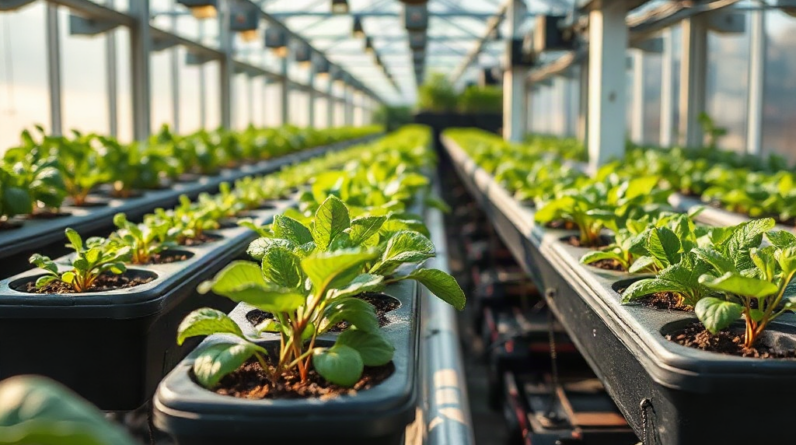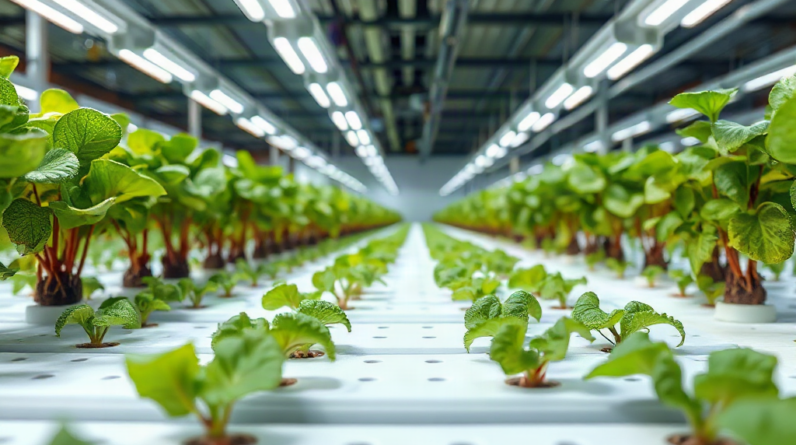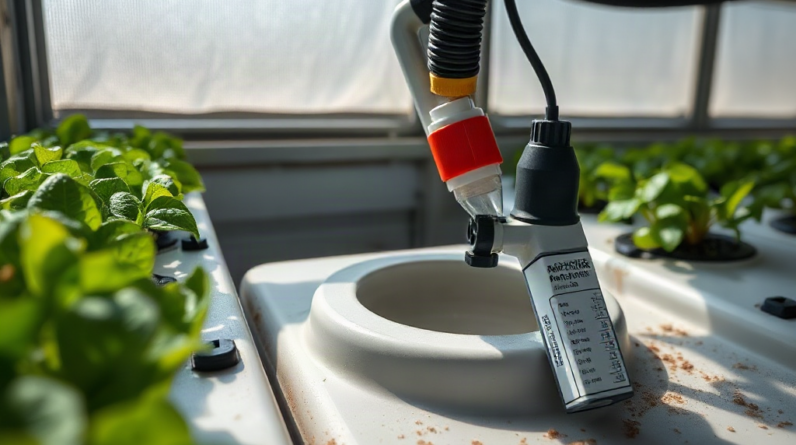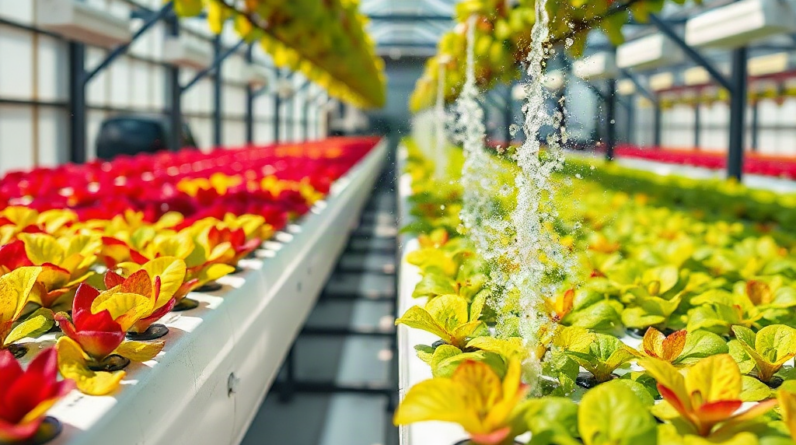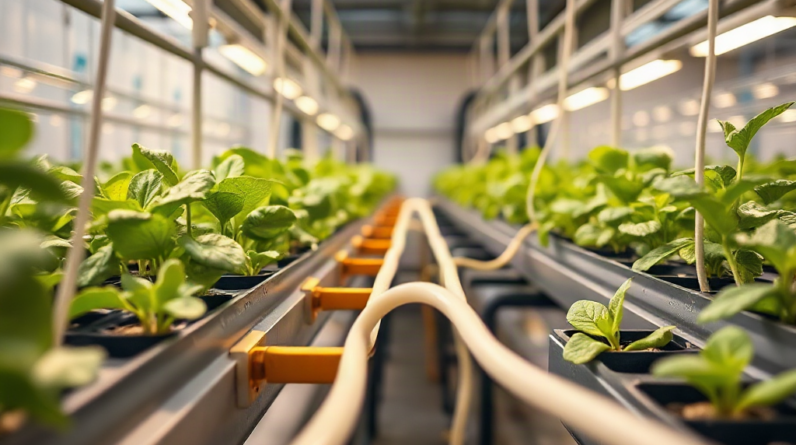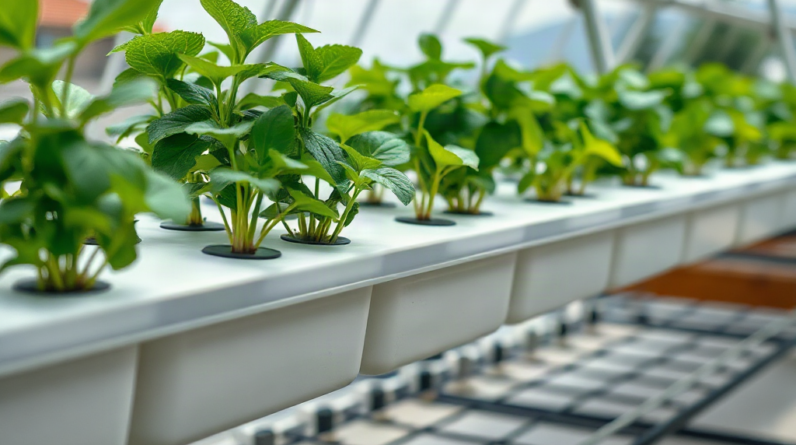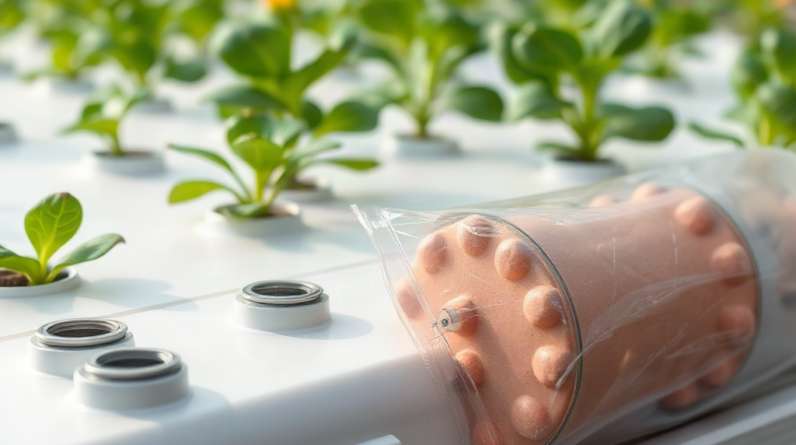
Food-grade materials for hydroponic systems should be chemically stable, easy to sanitize, nonporous, and suitable for continuous contact with nutrient solution. Common choices include opaque HDPE, polypropylene, PVC or CPVC rated for the intended use, stainless steel, silicone tubing, and certified food-contact gaskets. The main risks come from unknown plastics, degraded tubing, exposed metals, solvent residues, and materials that release compounds into warm, acidic, or nutrient-rich water. Check the manufacturer’s food-contact documentation, avoid reused containers with uncertain histories, inspect every wetted part, and replace components that become brittle, scratched, swollen, or difficult to clean.
What Makes a Material Suitable for Hydroponics
A food-contact label is useful, but it is not the only qualification for a hydroponic component. A material must also tolerate water, dissolved fertilizer salts, light, temperature changes, cleaning chemicals, and the mechanical stress created by pumps, fittings, and repeated assembly. A container that is acceptable for dry food storage may perform poorly when it holds warm nutrient solution continuously.
The wetted surface is the priority. This includes the reservoir interior, drain lines, return pipes, pump housing, net-pot supports, valves, gaskets, tubing, and any adhesive or sealant exposed to the solution. Materials outside the water path still deserve attention when they can shed dust, rust, or lubricant into the system.
Look for specific documentation rather than relying on vague wording such as “safe,” “non-toxic,” or “BPA-free.” A manufacturer’s statement that a product is intended for food contact is more useful when it identifies the material, temperature range, and intended application. Food-contact suitability can vary between grades of the same plastic, and a fitting may include additives or coatings not present in the base resin.
Hydroponic conditions can expose weak materials quickly. Concentrated nutrients, low or high pH, ultraviolet light, and constant circulation may cause swelling, cracking, discoloration, or loss of flexibility. A clear hose that becomes cloudy or tacky is not automatically dangerous, but it is a warning that its service life or cleanability may be ending.
A common mistake is treating “food-grade” as a guarantee that a part is ideal for every system. A certified bucket may be appropriate for a small reservoir, while a thin disposable container may deform under a pump’s heat or develop scratches that harbor biofilm. Use the label as a starting point, then assess durability, opacity, cleanability, and compatibility with the complete installation.
Reliable Plastics for Reservoirs and Plumbing
HDPE and polypropylene are practical choices for many hydroponic reservoirs because they are lightweight, chemically resistant, and available in rigid containers, tanks, fittings, and sheet goods. Opaque versions also limit light penetration, which helps reduce algae growth in nutrient solution. Their limitations are mainly mechanical: thin walls can flex, threads can strip, and prolonged outdoor exposure may degrade some products.
PVC and CPVC can work well for plumbing when the pipe, fittings, and joining method are appropriate for the operating conditions. The pipe itself is only one part of the decision. Solvent cement, primer, thread sealant, and flexible connectors must also be suitable for the application and allowed to cure fully before plants are connected. A plumbing assembly can therefore contain an acceptable pipe but still introduce residues through an unsuitable joining product.
Polyethylene tubing is common for irrigation lines, while silicone is valued for flexibility and pump connections. The correct choice depends on the job. A soft tube may be convenient around a vibrating pump, but it can kink or collapse under suction. A rigid line holds its shape and is easier to support, yet it transfers vibration and may require more fittings.
Reused containers require extra caution. A container that previously held cleaning chemicals, pesticides, automotive fluids, or unknown substances should not be converted into a reservoir merely because it appears clean. Odors, stains, softened plastic, and damaged surfaces are reasons to reject it. Even a container that once held food may have been exposed to temperatures or chemicals outside its intended use.
Do not assume that a recycling code alone proves suitability. Resin identification helps identify the base plastic, but it does not confirm the additives, manufacturing history, or condition of a particular item. For a new build, choose a purpose-made tank or a clearly documented food-contact container; for an improvised build, isolate uncertain materials from the nutrient stream rather than placing them in direct contact.
Related planning decisions are covered in Food-grade materials for hydroponic systems, especially when a reservoir must balance cost, opacity, and long-term cleaning.
Metals, Tubing, Gaskets, and Sealants
Stainless steel is useful where rigidity, cleanability, and resistance to corrosion matter, but not every stainless component is equally appropriate. The metal should be identified, the surface should be free from rust or flaking coatings, and dissimilar metals should not be assembled casually in a constantly wet nutrient environment. Corrosion products can discolor solution, damage pumps, and complicate nutrient management.
Copper, brass, galvanized steel, and ordinary carbon steel deserve particular caution in the nutrient path. Their corrosion behavior may change with pH, dissolved oxygen, fertilizer composition, and electrical contact with other metals. A small fitting may appear harmless, yet it can sit in solution for months. Plastic fittings are often the simpler choice for low-pressure hydroponic plumbing because they reduce corrosion concerns and are easy to replace.
Gaskets and seals are frequently overlooked. EPDM, silicone, and certain other elastomers are used in food and beverage applications, but compatibility depends on the exact formulation and exposure. A gasket that swells, becomes sticky, cracks, or leaves fragments behind should be removed. A leak is not the only failure; a softened seal can restrict flow or shed material into a pump.
Silicone sealant can be appropriate for some repairs when it is explicitly intended for aquarium or food-contact use after curing. “Mildew-resistant” bathroom products may contain additives that are not suitable for a nutrient reservoir. Apply sealant only to clean, dry surfaces, respect the cure time, and rinse and inspect the repair before use. Cure time is not optional: an uncured product can release residues and may never bond correctly under water.
Adhesive-backed foam, painted metal, ordinary duct tape, and unknown rubber are poor choices inside the wetted zone. They may soften, delaminate, trap organic debris, or make sanitation difficult. Mechanical fittings are usually easier to inspect and service than permanent repairs, particularly on small systems where a replacement elbow costs less than the time required to diagnose contamination.
For an existing installation, trace the entire water path rather than checking only the reservoir. The pump intake, return fitting, drain assembly, and nutrient dosing accessories may contain more questionable materials than the tank itself. The related reference point Food-grade materials for hydroponic systems is most useful when auditing a mixed-material system built from parts purchased at different times.
How to Check, Clean, and Replace Components
Material selection becomes safer when it is paired with a repeatable inspection routine. Before adding plants, rinse every new wetted component, examine it under good light, and check for manufacturing dust, loose shavings, oils, strong odors, and rough internal edges. Rinsing does not transform an unsuitable material into a suitable one, but it removes surface residues from otherwise documented parts.
Cleanability matters because scratches and seams create places for algae, roots, and microbial films to persist. Smooth HDPE or polypropylene is easier to scrub than porous foam or heavily textured plastic. Transparent tubing makes deposits visible, but it also allows light into the line; opaque tubing may control light better while requiring more frequent disconnection to confirm internal cleanliness.
Use a cleaning product that is appropriate for the component and rinse thoroughly. Do not combine cleaners, and do not assume that a strong chemical is better. Excessive concentration can damage seals, cloud plastic, or leave residues that alter the next nutrient batch. After cleaning, inspect threads, pump impellers, tubing ends, and gasket seats instead of judging the whole system by the appearance of the tank.
Replacement is warranted when a part becomes brittle, swollen, cracked, permanently stained, or difficult to clean. Unusual odor, unexplained film, repeated leaks, and a hose that no longer holds its shape are practical warning signs. A component need not be visibly toxic to be unsuitable; loss of structural integrity can create stagnant pockets or allow contaminated water to reach plant roots.
Keep a simple parts record for larger systems. Note the material, supplier, installation date, and any cleaning exposure. That record makes it easier to identify which change preceded cloudiness, leaks, or residue. The common failure is replacing the reservoir while leaving old tubing and seals in place, which preserves the original source of the problem.
A Practical Material Selection Checklist
Choose materials by the actual role they perform, not by appearance or price alone. A low-cost part can become expensive if it requires frequent replacement, traps debris, or forces the grower to discard an entire nutrient batch. A premium material may be unnecessary for a small indoor system if a documented plastic part provides the same durability and cleanability.
Use this order of priority when comparing options:
- Confirm the water-path material: Identify the resin, metal, elastomer, sealant, or coating rather than accepting an unspecified product description.
- Check intended contact and exposure: Look for food-contact documentation and consider continuous immersion, temperature, fertilizer solution, and cleaning procedures.
- Favor opaque, smooth, serviceable surfaces: These reduce light entry and make deposits easier to remove without sacrificing access for inspection.
- Minimize questionable joins: Prefer documented mechanical fittings over unknown adhesives, tapes, or coatings inside the nutrient path.
- Plan replacement access: Tubing, gaskets, and pump components should be removable without dismantling the entire garden.
Consider two common scenarios. A beginner’s leafy-green tote may need only an opaque food-contact container, a suitable pump, documented tubing, and a compatible bulkhead fitting. A larger recirculating system may justify rigid plumbing, stainless hardware in selected dry areas, isolation valves, and a written cleaning schedule. The larger system has more connections and therefore more opportunities for material mismatch, even if each individual part seems minor.
Do not confuse certification with performance. A food-contact tube can still kink, admit light, or deteriorate from ultraviolet exposure. Conversely, a durable part without clear contact documentation should not be placed in the nutrient stream simply because other growers use it. When documentation is unavailable, choose a verified alternative or keep the part outside the water path.
For a final audit, follow the solution from reservoir to root zone and back again. Mark every contact point, remove anything unidentified, and inspect the system after its first cleaning cycle. A careful audit at assembly is easier than tracing an unexplained odor, residue, or plant decline after several harvests. More material-specific planning can be organized around Food-grade materials for hydroponic systems before purchasing replacement parts.
Frequently Asked Questions
Is any plastic bucket safe for a hydroponic reservoir?
No. Choose a container with clear food-contact documentation, an intact surface, and no history of chemical storage. Opaque, rigid plastic is generally easier to manage than thin or damaged plastic.
Are PVC pipes suitable for nutrient solution?
They may be suitable when the pipe, fittings, and joining products are intended for the application and fully cured. Inspect the entire assembly rather than evaluating the pipe alone.
Should copper fittings be used in a hydroponic system?
Copper fittings are best avoided in the nutrient path because corrosion and metal release can depend on solution chemistry. Plastic fittings are often a simpler alternative.
What does food-grade mean for silicone tubing?
It indicates suitability for specified food-contact conditions, not universal compatibility. Check the product’s temperature, chemical, and continuous-use information before installing it.
How often should hydroponic tubing be replaced?
Replace it when it becomes cloudy, brittle, swollen, cracked, sticky, kinked, or difficult to clean. Service life varies with light, heat, nutrient chemistry, and cleaning practices.
Conclusion
A dependable hydroponic build uses materials that are documented for food contact, stable in nutrient solution, smooth enough to clean, and easy to inspect or replace. Opaque HDPE or polypropylene often suits reservoirs, while compatible PVC, polyethylene, silicone, stainless steel, and verified elastomers can serve specific plumbing roles. The weak points are usually not obvious tank walls; they are unknown tubing, unsuitable sealants, corroding fittings, damaged gaskets, and reused containers with uncertain histories. Audit every wetted component, keep adhesive and questionable coatings out of the solution, and treat changes in texture, odor, or flexibility as replacement signals. That approach protects system cleanliness while keeping material choices practical for the scale and maintenance demands of the garden.
Further Reading
Authoritative Sources
- Why Food Grade Plastic Hydroponic Systems Are Essential ...
brightlanegardens.comIn the realm of hydroponic systems, the term food grade plastic refers to materials deemed safe for contact with food and beverage products.
- Selecting Food-Safe Materials for Hydroponics (Beginner to ...
soilfreeharvest.comSelecting food-safe materials for hydroponics means choosing plastics like HDPE, LDPE, PP, and rigid “food grade” PVC. Avoid unknown plastics, ...
- Evaluation of Recycled Materials as Hydroponic Growing ...
mdpi.comThis study investigated waste almond shells and a recycled plastic drainage plank as hydroponic growing media alternatives.
- Agricultural Plastics Solutions | Durable Farm Materials
acmeplastics.comYes, many plastic materials are available in FDA-compliant grades that are safe for food contact. These materials are commonly used for cutting surfaces ...