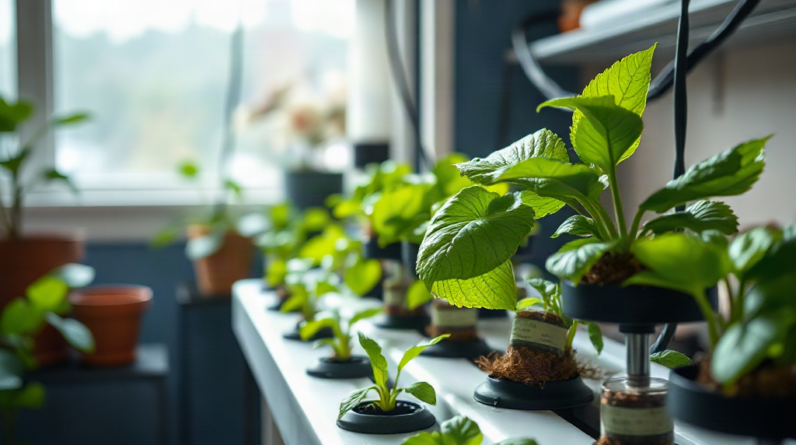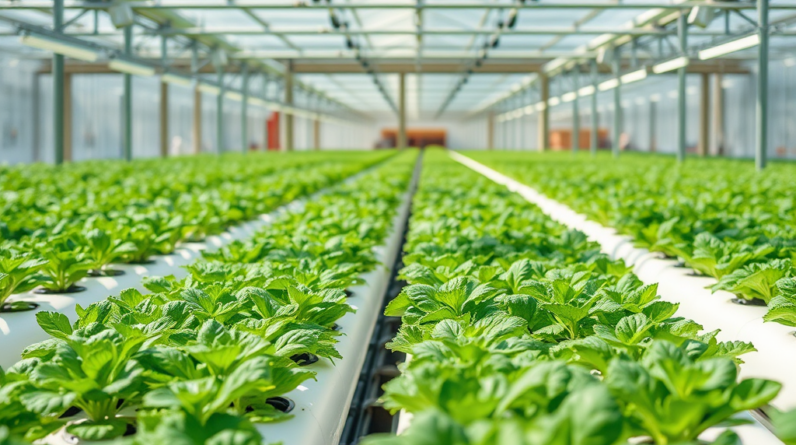
To manage hydroponic crop yield fluctuations effectively, growers should focus on stabilizing environmental conditions and optimizing nutrient delivery. Fluctuations often arise from inconsistent light, temperature, and humidity levels, which can adversely affect plant health. Regular monitoring of these factors is essential; for instance, using adjustable grow lights can help maintain optimal light intensity during different growth stages. Additionally, testing nutrient solutions frequently allows for timely adjustments based on plant needs. By implementing these strategies, growers can achieve more reliable yields and enhance overall crop quality.
Understanding Yield Fluctuations
Yield fluctuations in hydroponic systems can be attributed to several factors, including environmental conditions, nutrient availability, and plant genetics. Understanding these fluctuations is crucial for growers aiming to optimize their production. Yield can vary significantly from one crop cycle to another, making it essential to identify the underlying causes of these changes to maintain consistent production rates.
One common misconception is that yield fluctuations are solely due to nutrient levels. While nutrients play a significant role, environmental factors such as light intensity and temperature also have a profound impact. For instance, plants may experience stunted growth or poor fruit development if the temperature rises above optimal levels. Recognizing the multifaceted nature of yield fluctuations helps growers take a more comprehensive approach to managing their crops.
Environmental Factors Impacting Yields
Environmental conditions are among the most critical factors influencing hydroponic crop yields. Key elements include light, temperature, humidity, and air circulation. Each of these factors can affect plant growth rates, nutrient uptake, and overall health.
For example, light is essential for photosynthesis, and insufficient light can lead to reduced growth and lower yields. Conversely, excessive light can cause photoinhibition, where plants become damaged due to overexposure. Growers should use grow lights with adjustable intensity to accommodate different growth stages and varieties.
Temperature also plays a vital role; most hydroponic crops thrive within specific temperature ranges. If temperatures are too high or too low, plants may exhibit reduced growth or increased susceptibility to pests and diseases. Using climate control systems can help maintain optimal conditions, ensuring that plants remain healthy and productive.
Nutrient Management Strategies
Proper nutrient management is essential for achieving stable hydroponic yields. Nutrient solutions must be carefully balanced to meet the specific needs of different plant varieties. Regular testing of nutrient solutions is crucial to ensure that plants receive the right amounts of essential elements, such as nitrogen, phosphorus, and potassium.
A common mistake is over-fertilizing, which can lead to nutrient burn and plant stress. Growers should follow a feeding schedule tailored to the specific crop’s growth stage and adjust nutrient levels based on plant responses. For instance, during the flowering stage, some plants may require higher phosphorus levels to promote bloom development.
Monitoring and Adjusting Growth Conditions
Monitoring growth conditions is vital for managing yield fluctuations effectively. Growers should implement systematic monitoring of key parameters, including pH, electrical conductivity (EC), and temperature. Automated monitoring systems can provide real-time data, allowing for timely adjustments to nutrient solutions and environmental conditions.
Another effective strategy is to use a crop rotation system to improve soil health and reduce pest pressure. Rotating different crops can help break disease cycles and enhance overall yield consistency. Additionally, incorporating beneficial microbes into the nutrient solution can promote plant health and improve nutrient uptake, further stabilizing crop yields.
Frequently Asked Questions
What are the main causes of crop yield fluctuations in hydroponics?
The main causes include environmental conditions, nutrient imbalances, and plant genetics, each affecting growth and productivity.
How can I stabilize nutrient levels in my hydroponic system?
Regularly test and adjust your nutrient solution based on plant growth stages, ensuring a balanced mix of essential elements.
What role does light play in hydroponic crop yields?
Light is crucial for photosynthesis; insufficient or excessive light can lead to poor growth and reduced yields.
How can I monitor environmental conditions effectively?
Utilize automated systems to track pH, temperature, and EC, allowing for timely adjustments to optimize plant growth.
What are the benefits of crop rotation in hydroponics?
Crop rotation helps break disease cycles, improves soil health, and can lead to more consistent yields.
Further Reading
Authoritative Sources
- USDA Hydroponics Resources
usda.govProvides comprehensive guidelines and research on hydroponic practices and crop management
- Purdue University Horticulture
hort.purdue.eduOffers insights into nutrient management and environmental controls for hydroponic systems
- eXtension: Hydroponic Crop Production
extension.orgA valuable resource for best practices in hydroponic crop production and management
Conclusion
Effectively managing hydroponic crop yield fluctuations requires a holistic approach that considers environmental factors, nutrient management, and monitoring systems. By understanding the causes of yield variations and implementing targeted strategies, growers can optimize their systems for more consistent production. Regular adjustments and thorough monitoring will enhance crop health and overall yield stability, ensuring success in hydroponic gardening.
Related Content
- Home Hydroponic Gardening Ideas: Practical Methods for Growing Fresh Produce Indoors
- Beginner Hydroponic Vegetables: Essential Varieties and Growing Techniques
- Hydroponic Crops With Different Growth Durations: A Planting Plan From Seedling to Harvest
- Preventing Root Rot in Hydroponic Gardens: Essential Techniques and Common Pitfalls
- Pioneering Change with Hydroponic Agriculture