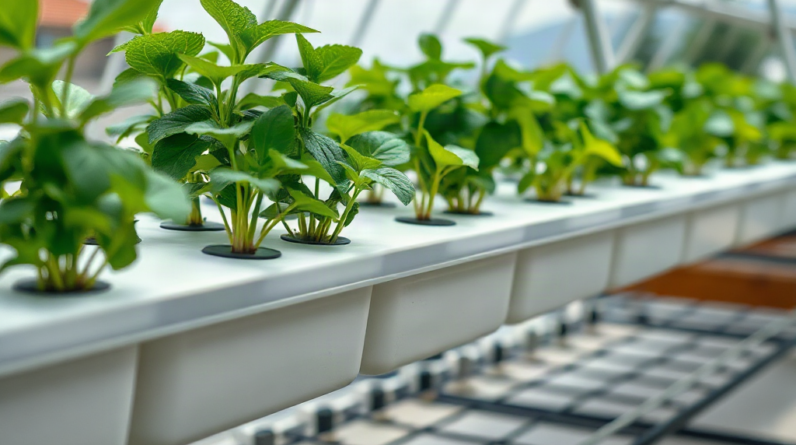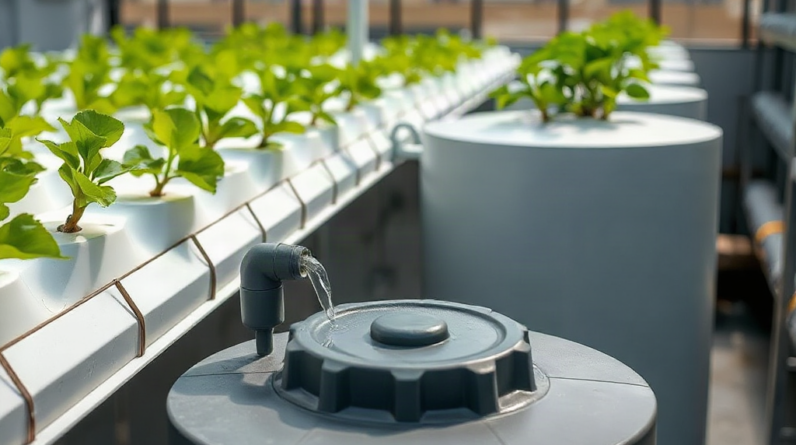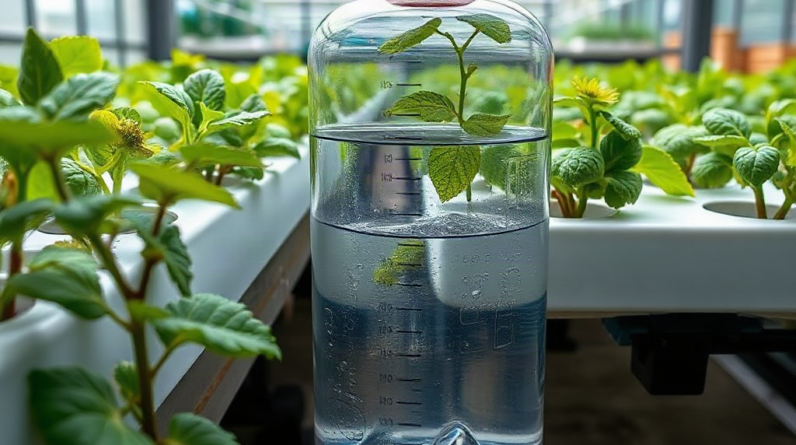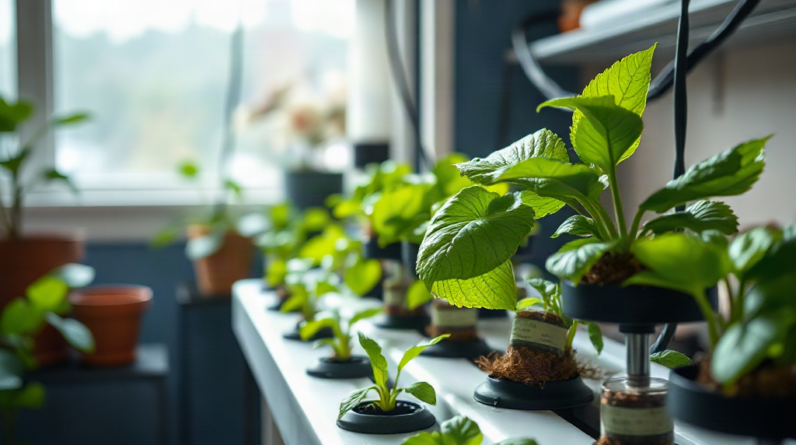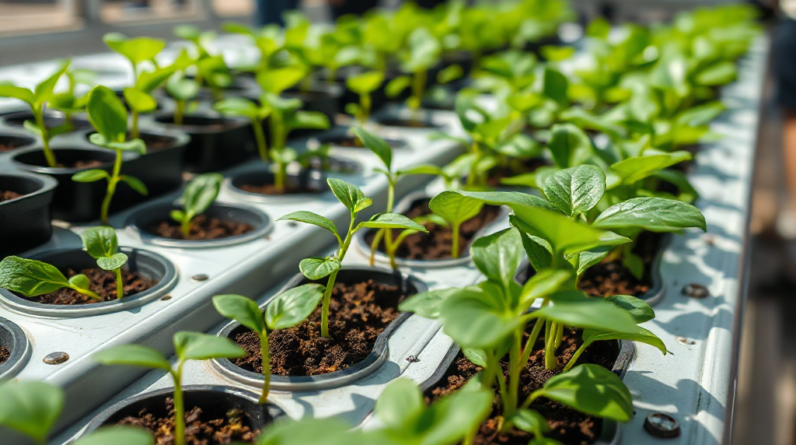
To prevent nutrient burn in seedlings, it’s vital to dilute nutrient solutions properly and monitor pH levels closely. Over-fertilization is a common mistake that can lead to leaf discoloration and stunted growth, so always start with a lower concentration and gradually increase as needed. Additionally, maintain optimal environmental conditions, including appropriate light and temperature, to support healthy nutrient absorption. Regularly check your seedlings for signs of distress, adjusting your nutrient regimen based on their specific needs to promote robust growth without the risk of burn.
Understanding Nutrient Burn
Nutrient burn is a common issue in hydroponic gardening, especially for seedlings, which are particularly sensitive to nutrient concentrations. When seedlings absorb too many nutrients, it can lead to leaf burn, characterized by yellowing or browning leaf tips and edges. Understanding this phenomenon is crucial for maintaining healthy plant growth and ensuring successful seedling development.
The primary mechanism behind nutrient burn is the osmotic pressure that builds up when nutrient levels exceed what seedlings can effectively process. This pressure can cause water to be drawn out of the plant cells, leading to dehydration and damage. Therefore, preventing nutrient burn not only protects seedlings but also promotes robust growth.
Causes of Nutrient Burn
Nutrient burn can stem from several factors that gardeners must be aware of. One of the primary causes is the over-fertilization of seedlings, which can occur when growers apply nutrient solutions that are too concentrated. Many new hydroponic gardeners may mistakenly believe that more nutrients will equate to faster growth, leading to excessive application.
Another common cause is poor pH balance in the nutrient solution. If the pH is too high or too low, it can affect nutrient availability, leading to imbalances that increase the risk of burn. Additionally, environmental factors such as high temperatures and inadequate light can exacerbate the effects of nutrient burn, making it essential to maintain optimal growing conditions.
Preventive Measures
To effectively prevent nutrient burn, it is essential to implement several key strategies. First, always start with a diluted nutrient solution, especially for seedlings. Gradually increasing nutrient concentration as seedlings grow can help acclimate them to the necessary levels without overwhelming their systems.
Another preventive measure is to regularly check and adjust the pH of the nutrient solution. Seedlings thrive in a pH range of 5.5 to 6.5, and maintaining this balance ensures that nutrients are readily available without causing toxicity. Additionally, consider using quality nutrient solutions specifically formulated for seedlings, which are typically less concentrated and tailored to their needs.
Monitoring and Adjusting Nutrient Levels
Continuous monitoring of nutrient levels is vital in preventing nutrient burn. Use tools such as EC (electrical conductivity) meters to measure the concentration of nutrients in your solution. A reading between 0.5 to 1.0 mS/cm is generally suitable for seedlings, but this may vary depending on the type of plants being grown.
Regular observation of seedlings can also provide insight into their health. Look for signs of nutrient burn, such as browning leaf edges or stunted growth, and adjust nutrient levels accordingly. If burn occurs, consider flushing the growing medium with plain water to help leach excess nutrients. This proactive approach will help maintain the health and vitality of your seedlings.
Frequently Asked Questions
What is nutrient burn in seedlings?
Nutrient burn in seedlings occurs when they absorb excessive nutrients, leading to leaf discoloration and stunted growth.
How can I tell if my seedlings are experiencing nutrient burn?
Signs of nutrient burn include yellowing or browning leaf tips and edges, as well as stunted growth.
What causes nutrient burn in hydroponic systems?
Nutrient burn is primarily caused by over-fertilization, poor pH balance, and environmental stressors such as high temperatures.
How can I prevent nutrient burn in seedlings?
Prevent nutrient burn by using diluted nutrient solutions, maintaining proper pH levels, and regularly monitoring nutrient concentrations.
What should I do if my seedlings show signs of nutrient burn?
If you notice nutrient burn, flush the growing medium with plain water to leach excess nutrients, and adjust your nutrient solution accordingly.
Further Reading
Authoritative Sources
- Hydroponics: A Beginner's Guide
hydroponics.comThis resource offers comprehensive information on hydroponic systems and nutrient management
- Understanding Nutrient Deficiencies
gardeningknowhow.comA valuable article explaining nutrient deficiencies and how they relate to seedling health
- Nutrient Management in Hydroponics
extension.orgA detailed guide on nutrient management practices for hydroponic growers
Conclusion
Preventing nutrient burn in seedlings is crucial for successful hydroponic gardening. By understanding the causes, implementing preventive measures, and monitoring nutrient levels, you can ensure healthy growth and development. Always start with diluted nutrient solutions, maintain optimal pH levels, and be vigilant in observing your seedlings for any signs of distress. Taking these steps will help you cultivate thriving plants that are well on their way to becoming productive crops.