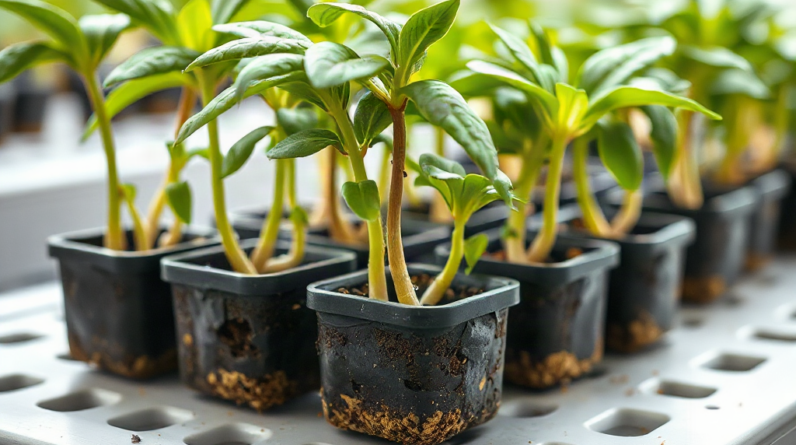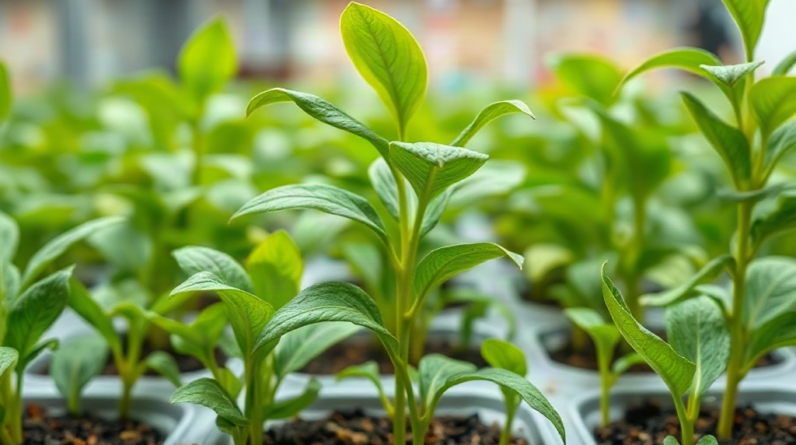
Hydroponic plants wilting after reservoir filling usually indicates that the refill changed root-zone oxygen, nutrient concentration, pH, temperature, or solution depth faster than the roots could tolerate. First verify that roots are not newly submerged above their normal level, the air pump or circulation pump is operating, and concentrated nutrients were diluted before contacting roots. Then measure pH and electrical conductivity rather than adding more fertilizer by instinct. Restore the previous operating depth, increase aeration if needed, and keep the reservoir near the established root-zone temperature. Leaves may recover within several hours when the cause is temporary, while persistent collapse, browning roots, or soft stems requires closer root inspection.
Why a Freshly Filled Reservoir Can Trigger Wilting
A refill changes several root-zone conditions at once, even when the grower believes only the water level has changed. Fresh water can alter nutrient concentration, pH, temperature, dissolved oxygen, and the portion of the root mass sitting below the solution surface. Wilting immediately afterward is therefore more useful as a timing clue than as proof of a single cause.
Water level is the first physical factor to consider. Roots adapt to a particular balance of moisture and oxygen. If a deep-water culture reservoir is filled above its normal operating line, the stem base, net pot, or upper roots may become saturated. Those upper roots often function in a more oxygen-rich zone than roots deeper in the solution. Submerging them abruptly can reduce available oxygen and cause leaves to lose firmness even though the plant is surrounded by water. This is not dehydration from an empty reservoir; it is impaired root function.
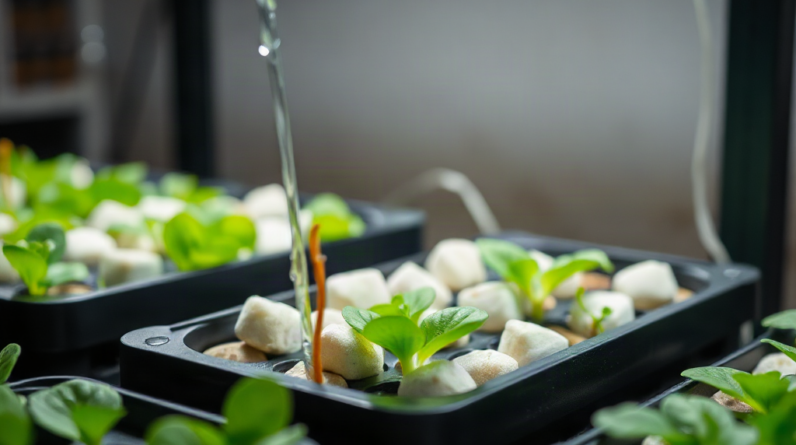
The opposite can occur in systems that depend on pumps or emitters. Refilling may introduce an air lock, dislodge a supply tube, or leave a pump unplugged after maintenance. A full tank does not guarantee delivery to the root zone. In a drip setup, for example, one plant can wilt while neighboring plants remain upright because its emitter stopped flowing. In nutrient film technique, an interrupted film can affect every channel despite a reservoir that appears properly filled.
Chemical changes can produce similar symptoms. Adding concentrated nutrient directly to an occupied reservoir may expose nearby roots to a temporary high-salt pocket before the solution mixes. A large dose of cold replacement water can also cool the root zone quickly. Meanwhile, untreated source water may shift pH or electrical conductivity, commonly abbreviated EC, away from the range the crop had previously tolerated.
Do not assume that more water automatically corrects wilt. The useful question is what changed between the last stable condition and the refill. Review the sequence: how much water was added, whether the tank was drained first, how nutrients were mixed, whether equipment was switched off, and where the final solution line sits. That reconstruction usually narrows hydroponic plants wilting after reservoir filling to a manageable set of root-zone changes.
Immediate Checks in the Right Order
Begin with conditions capable of damaging roots quickly, then move to measurements that require interpretation. Randomly adjusting pH, adding fertilizer, and lowering the solution at the same time makes the plant response difficult to read. A controlled sequence preserves evidence and reduces the chance of creating a second problem.
First inspect the solution depth against the system’s established operating line. In deep-water culture, check whether the refill now touches the net pot or covers roots that were previously exposed to moist air. Young transplants may need solution close enough to keep new roots moist, while established plants usually have long roots reaching the reservoir and do not need the upper root crown flooded. Return the level to the position used before wilting rather than choosing a universal gap.
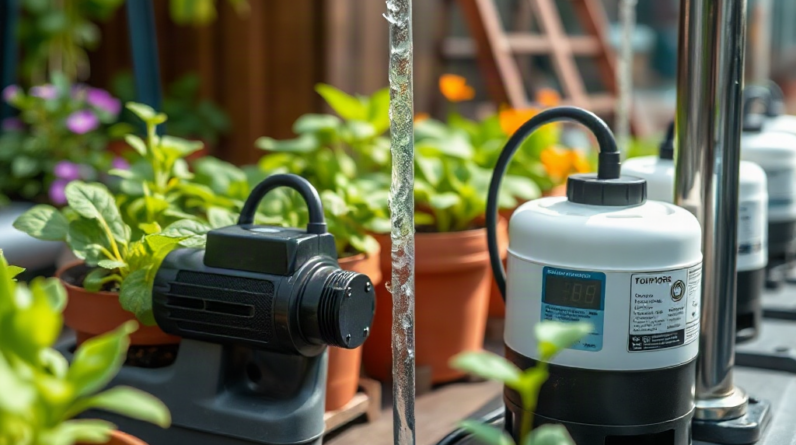
Next confirm actual oxygenation and delivery. Look for bubbles at every air stone, feel for pump vibration, inspect tubing for kinks, and verify that air stones have not floated into a corner. For recirculating systems, observe solution returning to the reservoir and inspect the far end of each channel. For drip systems, catch output from the suspect emitter briefly and compare it with a functioning one. Noise alone is weak evidence because a pump can run while flow remains blocked.
Use the following compact priority check:
- Confirm level: Compare the current solution line with the normal operating mark.
- Confirm delivery: Observe bubbles, return flow, nutrient film, or emitter output at the roots.
- Check temperature: Compare the fresh solution with the previous reservoir condition and room environment.
- Measure pH and EC: Mix the tank fully, then use calibrated meters if available.
- Inspect roots: Note color, firmness, odor, and whether damage is confined to one plant.
Pattern recognition helps separate system-wide and local faults. If every plant droops soon after a complete solution change, investigate temperature, mixing, concentration, and circulation. If only the largest plant wilts, its root mass may have displaced enough liquid to become more deeply submerged than expected. If one plant in a shared channel is affected, inspect its stem, roots, and local flow before changing the entire reservoir.
A common mistake is reading leaf wilt as an instruction to increase nutrient strength. Excess salts can make water uptake harder, so adding fertilizer without an EC reading may intensify the symptom. Preserve a small sample of the current solution if possible, record the readings, and make one corrective change at a time.
Correcting Water Level, Aeration, pH, and Nutrient Strength
Correction should restore the plant’s previous stable conditions rather than chase a theoretically perfect number. Crop type, growth stage, system design, source water, and nutrient formula all affect appropriate settings. The refill event offers a strong comparison point: the plant was functioning before a known group of changes occurred.
Restore Root-Zone Air Without Drying the Plant
If the solution is too high, lower it gradually to the established line and leave the upper root zone exposed to humid air. Do not drain so aggressively that short roots lose contact with moisture. In deep-water culture, confirm that aeration reaches the root mass rather than merely producing bubbles far from it. Adding a second air stone can improve distribution in a large or root-filled container, but it will not correct a blocked airline, failing diaphragm, or excessive solution temperature.
Warm nutrient solution generally holds less dissolved oxygen than cooler solution, while an abrupt cold refill can temporarily shock roots. Aim for stability rather than rapid swings. Move a reservoir away from direct heat, insulate it from a hot floor, or temper replacement water before adding it. Avoid dropping frozen bottles directly against roots because the localized cold surface can create another abrupt stress.
Correct Chemistry Only After Thorough Mixing
Measure pH and EC after pumps have circulated the refill long enough to produce a uniform solution. A reading taken beside freshly poured nutrient may not represent the root zone. If EC is much higher than the crop’s previous stable reading, dilute with source water in measured increments. If it is unexpectedly low because the reservoir was topped up with plain water, restore strength gradually according to the nutrient manufacturer’s crop-stage directions rather than adding an unmeasured dose.
Concentrates should be diluted separately and introduced one at a time. Mixing concentrated components together can cause precipitation, leaving some mineral compounds unavailable and creating sediment. Likewise, pH adjusters should never be poured onto roots or mixed directly with concentrated fertilizer. Small corrections followed by circulation and retesting provide more control than a large adjustment that overshoots.
Source water deserves attention when symptoms recur after every refill. Tap-water composition can vary, and water with substantial mineral content contributes to the starting EC before fertilizer is added. Reverse-osmosis water starts with fewer dissolved minerals but may require a nutrient program intended for that source. The practical objective is consistency: record source-water EC, final EC, pH, temperature, and volume so the next refill can be compared with a successful one.
For a broader troubleshooting record, bookmark hydroponic plants wilting after reservoir filling and note which single correction produced visible improvement. Avoid replacing the entire solution repeatedly unless contamination, a major mixing error, or clearly excessive concentration makes replacement safer than incremental correction.
Recovery Signs, Root Damage, and Prevention
Recovery is judged by new leaf posture, stable root condition, and continued growth—not by one older leaf becoming perfectly upright. Mild refill stress may ease within a few hours once oxygen, depth, or temperature is restored. A plant with damaged roots may need longer and can lose older foliage even while its growing tip begins to stabilize.
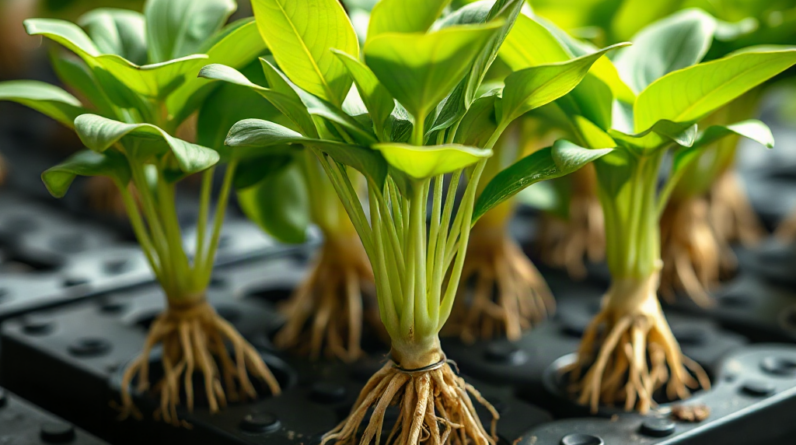
Healthy roots vary by crop and nutrient staining, so bright white color is not the only acceptable appearance. More informative signs are firmness, branching root tips, lack of a foul odor, and new pale growth. Roots that are brown and slippery, detach easily, or smell stagnant suggest tissue decline rather than a brief adjustment. Examine nutrient staining carefully: a uniformly tan but firm root mass may be less concerning than isolated soft patches spreading upward.
Watch the daily pattern before declaring recovery. A plant that firms up during the cooler dark period but collapses under lights may still have inadequate root function for its transpiration demand. Temporarily reducing intense light or heat can lower demand while roots recover, but prolonged dimming is not a substitute for restoring aeration and delivery. Conversely, a plant that remains limp overnight despite corrected conditions warrants inspection for stem injury, severe root loss, or a disease process unrelated to the refill.
Prevention relies on repeatable refill technique. Mark the normal operating level on the reservoir, prepare replacement solution in a separate container when practical, and bring it near the reservoir’s existing temperature. Add diluted nutrients to water rather than water to a concentrated nutrient mixture. Keep pumps running during routine top-ups when the equipment design allows it, and verify operation immediately after reconnecting anything.
A written log can distinguish expected nutrient use from equipment trouble. Record the pre-refill and post-refill volume, pH, EC, temperature, plant appearance, and any maintenance performed. If wilt follows only full changes but not small top-ups, temperature shock or mixing technique becomes more likely. If it appears whenever the tank reaches the upper mark, solution depth is the stronger suspect. If symptoms occur unpredictably alongside weak bubbles or intermittent flow, investigate pump performance and obstructions.
Do not treat every case with sterilizers, beneficial microbes, or root additives before identifying the physical fault. Those approaches differ in how they manage the root environment and may conflict with each other. Clean equipment, reliable oxygenation, controlled nutrient preparation, and a consistent fill line should come first. A documented routine makes future cases of hydroponic plants wilting after reservoir filling easier to diagnose without exposing roots to repeated corrective swings.
Frequently Asked Questions
Should I lower the reservoir immediately if plants wilt after filling?
Lower it to the previous operating line if the refill submerged the net pot, stem base, or upper roots. Avoid dropping it below the reach of young or short roots.
Can cold refill water make hydroponic plants droop?
Yes. A large, sudden temperature change can temporarily reduce root activity. Temper replacement water toward the existing solution temperature and avoid rapid heating or cooling corrections.
How soon should wilted hydroponic plants recover?
Mild oxygen, depth, or temperature stress may improve within several hours. Persistent wilt through a dark period, worsening roots, or soft stems suggests more substantial damage or another cause.
Should I add more nutrients when leaves wilt after a refill?
Not without measuring EC. High nutrient concentration can restrict water uptake, while low EC requires a measured correction based on the crop stage and nutrient label.
Why is only one plant wilting in a shared reservoir?
Check that plant for a blocked emitter, poor local flow, stem damage, tangled or decaying roots, and greater submersion than its neighbors before changing the whole reservoir.
Conclusion
Post-refill wilt calls for observation before intervention. Compare the new solution depth with the previous level, verify that oxygen and nutrient solution are actually reaching every root zone, and measure temperature, pH, and EC after thorough mixing. The distribution of symptoms—one plant, one channel, or the entire crop—can reveal whether the fault is local or reservoir-wide.
Make the smallest correction supported by evidence, then allow time to observe leaf posture and root condition. Escalate the inspection when roots become soft or odorous, stems weaken, or plants fail to stabilize overnight. For future refills, mark the operating level, dilute concentrates separately, temper replacement water, and log readings before and after filling. Consistency prevents more wilt than repeated emergency additives or simultaneous adjustments.
Related Content
- Creating a DIY Hydroponic Gardening System
- Hydroponic Growing Techniques: Effective Methods for Home and Commercial Cultivation
- How to Adjust Light Intensity for Different Crops: Effective Methods and Practical Examples
- Elevate Your Cooking with Home-Grown Hydroponic Herbs
- DIY Hydroponic Gardening: A Step-by-Step Guide