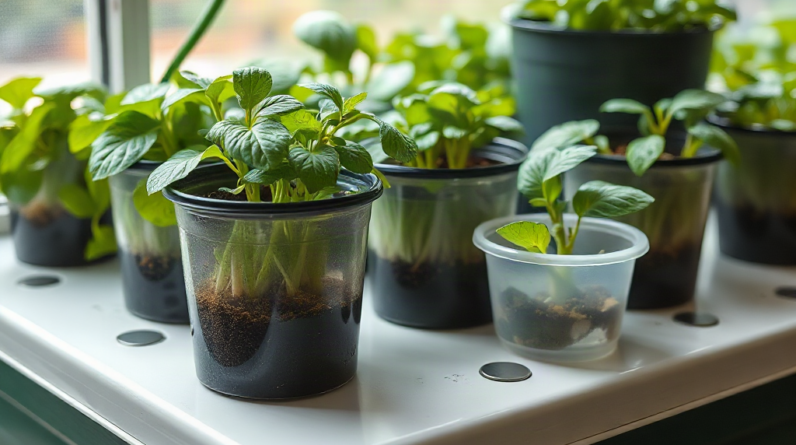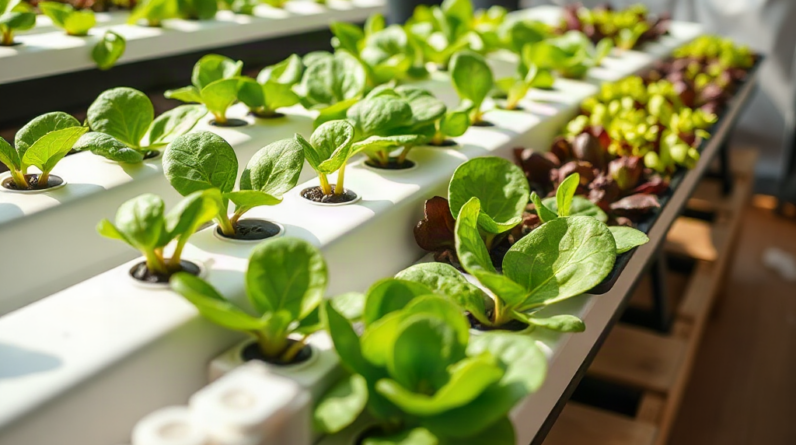
A continuous hydroponic harvest comes from dividing the growing area into recurring sowing, transplanting, and picking slots rather than planting every site at once. Set a weekly consumption target, work backward from each crop’s usable harvest window, and start small batches at fixed intervals. Reserve separate nursery and finishing spaces so seedlings do not compete with mature crops, and adjust the interval when temperature, light, or variety changes growth speed. Record actual days from sowing to transplant and transplant to harvest; those observations produce a more dependable rotation than seed-packet estimates alone.
Turn Weekly Consumption Into Planting Targets
A useful harvest schedule begins with how much produce the household actually uses, not with the number of open planting sites. Count consumption in harvest units that match the crop: heads of lettuce, bunches of basil, grams of baby greens, or individual fruiting plants. If a household uses three lettuce heads each week, the starting target is three harvest-ready heads per week plus a modest allowance for slow or damaged plants.
Translate that demand into batch size before assigning dates. A grower who wants three lettuce heads weekly might sow four seeds each week, expecting to finish the strongest three seedlings. That buffer should remain limited. Sowing twice the required amount creates crowded nursery trays, unnecessary nutrient use, and pressure to transplant seedlings before finishing spaces are available. A spare seedling or an occasional empty site is usually easier to manage than chronic overcrowding.
Yield per site is less predictable for cut-and-come-again crops. Basil, chard, kale, and loose-leaf lettuce may provide several harvests, but the amount changes with plant age, pruning method, light, and temperature. For these crops, weigh or count two to four typical harvests and calculate a working weekly average. A basil plant producing one useful bunch every ten days should not be scheduled as though it supplies a bunch every week.
Separate desired supply from maximum system capacity. A 24-site unit does not necessarily support 24 mature lettuce plants because young plants and finishing plants occupy sites for different lengths of time. Large heads may also require wider spacing near harvest. Filling every opening can reduce airflow and light penetration, slowing the very crop that the schedule assumes will mature on time.
A compact planning calculation is:
Weekly planting target = desired weekly harvest ÷ expected usable yield per plant, adjusted for the crop’s loss rate.
Use observed loss rather than an arbitrary large percentage. If nearly every seed germinates but one in ten seedlings stalls after transplanting, add the buffer at the transplant stage. The detailed records described in hydroponic gardening harvest planning for continuous supply should distinguish failed germination, transplant loss, and plants that finish late. Those problems require different corrections.
Build the Rotation Around Crop Growth and Harvest Style
Crop timing has at least three parts: germination and nursery time, finishing time after transplant, and the usable harvest window. Treating a catalog’s days-to-maturity figure as the entire schedule often causes gaps. That estimate may begin at sowing or transplanting, and actual speed changes with cultivar, daily light, root-zone temperature, plant spacing, and whether the crop is harvested young or fully mature.
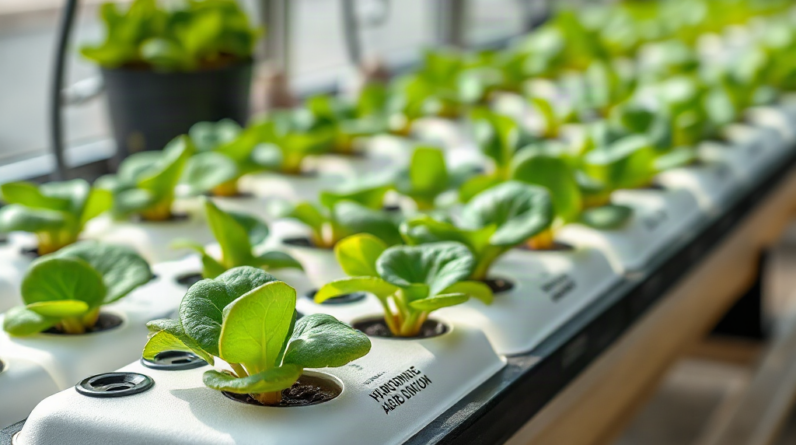
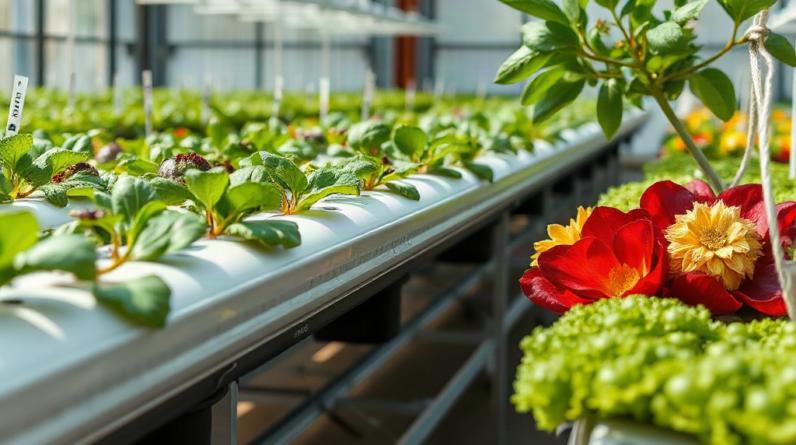
Single-harvest crops are the simplest rotation anchors. Head lettuce, compact bok choy, and many baby-root crops occupy a site until one main harvest, after which the site can be cleaned and replanted. If lettuce takes two nursery weeks and four finishing weeks under the grower’s conditions, a weekly supply requires six overlapping age groups: two in nursery and four in finishing. Each week, one group moves forward and one mature group leaves.
Repeated-harvest crops need a replacement date as well as picking dates. Basil may tolerate recurring tip harvests, but older plants can become woody, top-heavy, or difficult to keep evenly lit. Rather than assuming a plant will remain productive indefinitely, overlap an aging batch with younger replacements. Remove the old plants only after the new batch has established enough foliage to carry the next planned harvest.
Fruiting crops operate on a longer and less uniform cycle. Tomatoes, peppers, cucumbers, and strawberries may produce over an extended period, but fruit does not ripen in perfectly equal weekly quantities. They are better treated as a background supply than as precise weekly units. Pairing them with predictable leafy crops prevents the entire plan from depending on variable flowering and fruit set.
Group crops by operational compatibility, not merely by preferred meal. Lettuce and basil can have different spacing, nutrient strength, temperature preferences, and harvest duration even when they share a salad bowl. A single reservoir forces compromise. When one shared solution cannot suit both growth stages well, use separate units or schedule crops with similar finishing needs together.
The common failure is planting several varieties on the same date and assuming they will finish together. A fast loose-leaf cultivar may be ready well before a dense head type. Record each cultivar separately. If one consistently finishes five days earlier, move its sowing date rather than harvesting it overgrown while waiting for the rest of the batch.
Allocate Nursery, Finishing, and Backup Capacity
Continuous production depends on protected space for every stage of the rotation. Mature plants cannot remain in place past their planned removal date if the next group has nowhere to go. Divide capacity into nursery sites, finishing sites, and a small flexible area for delayed or replacement plants. The proportions should reflect residence time rather than visual plant size alone.
Suppose a grower harvests four lettuce heads each week, keeps seedlings in plugs for two weeks, and finishes plants for four weeks. The pipeline needs roughly eight nursery positions and sixteen finishing positions, plus a few contingency positions if space permits. Starting 24 seedlings together would fill the system once, but it would create a large harvest followed by an empty month. The same capacity divided among six age groups produces a steadier flow.
Nursery space must provide enough light to prevent stretched seedlings. Holding seedlings in small plugs under weak light is not a harmless way to wait for an opening. Roots can become congested, stems can elongate, and older seedlings may establish more slowly after transplanting. If mature crops repeatedly delay the next group, reduce batch size, harvest slightly younger, or add finishing capacity instead of accumulating oversized transplants.
Finishing capacity should be based on final spacing. Seedlings may fit closely at first, but overlapping leaves can trap moisture and shade inner growth as plants expand. A staged-spacing method can use tighter early spacing followed by wider final spacing, provided the calendar includes the extra move. Beginners often do better with fixed final positions because fewer plant moves reduce root disturbance and tracking errors.
Keep backup capacity purposeful. One or two spare seedlings per batch can replace weak transplants, but a permanent surplus consumes light and labor. Discard replacements once the main batch is established unless they have an assigned harvest role. Similarly, leaving a small number of sites empty can be a rational capacity reserve when crop timing varies by several days.
System downtime also belongs in the capacity plan. Channels, rafts, net pots, and reservoirs need periodic cleaning, and roots may remain after harvest. Assigning every site every day leaves no practical cleaning window. A rotating empty bay or a short turnaround period reduces residue carryover without stopping the entire pipeline. A well-designed continuous-supply harvest plan accounts for sanitation time instead of treating it as an unexpected interruption.
Run and Correct a Week-by-Week Harvest Calendar
A calendar becomes reliable only when planned dates are compared with actual plant performance. Use one row per batch and record crop, cultivar, quantity, sowing date, germination date, transplant date, expected harvest window, actual harvest, and reason for any delay. Batch-level records are usually more practical than labeling every plant, while still revealing whether a specific sowing or cultivar is drifting.
Choose one fixed day each week for pipeline work. On that day, harvest the scheduled batch, remove roots and debris, clean the vacated positions, transplant the next batch, and sow its replacement. A consistent sequence makes missed tasks visible. Harvesting whenever convenient but sowing only when remembered gradually breaks the age spacing between groups.
Use this compact weekly check:
- Count ready produce: compare usable harvest with the household target.
- Inspect the next batch: check size, roots, color, and expected readiness.
- Confirm open finishing sites: do not sow more than the pipeline can accept.
- Review solution and equipment: verify water level, circulation, aeration, pH, and nutrient concentration using methods appropriate to the setup.
- Record the variance: note whether timing changed because of environment, cultivar, spacing, or plant health.
Correct repeated trends, not every small fluctuation. If lettuce is ready two days early one week, harvest within its quality window and keep the schedule. If three consecutive batches finish a week early after seasonal light increases, shorten the planned finishing period or widen the sowing interval. Constantly changing dates after a single batch creates more instability than it solves.
Signs that the plan is working include similar harvest quantities from week to week, seedlings reaching transplant size as positions open, and few plants being held beyond their preferred stage. Failure signs include mature crops blocking transplants, frequent bolting before harvest, repeated empty sites, and a nursery crowded with plants of several unplanned ages.
When a batch fails, avoid compensating with one oversized sowing unless a special event requires a large harvest. Resume the normal cadence and add a smaller bridge batch if capacity allows. For example, after losing one weekly lettuce group, sow the regular four plants plus two additional fast-growing loose-leaf plants. That approach narrows the gap without creating another surplus later. Seasonal adjustments and batch history make hydroponic harvest planning increasingly accurate for the specific room, equipment, and cultivars being used.
Frequently Asked Questions
How often should I start new hydroponic lettuce?
Start a small batch at the same interval you want to harvest, commonly once each week for weekly lettuce. Adjust the batch size to consumption and use your recorded nursery and finishing times to maintain enough overlapping age groups.
Should I stagger every hydroponic crop by the same interval?
No. Head crops suit regular sowing intervals, while repeatedly cut herbs need replacement dates and fruiting crops produce less evenly. Set intervals from each crop’s actual harvest pattern and the amount your household uses.
How much extra should I sow for failed plants?
Use your recorded failure rate and round up modestly. One spare seedling may be enough for a small weekly batch; large automatic buffers often crowd the nursery and create more plants than finishing space can accept.
What should I do when plants mature earlier than scheduled?
Harvest within the crop’s quality window and record the variance. Change future dates only when several batches show the same trend, then adjust the expected finishing period or sowing interval for the current conditions.
Can one small hydroponic unit provide a continuous supply?
Yes, if demand fits its usable capacity and the unit holds multiple age groups. Favor compact, quick crops, reserve nursery space, and avoid filling every position with plants that mature on the same date.
Conclusion
Steady harvests come from managing a living pipeline rather than repeatedly filling an empty unit. Define weekly demand in measurable harvest units, divide available space according to nursery and finishing time, and give each crop a schedule that reflects its harvest style. Keep batch sizes small enough to absorb timing changes without producing a major surplus.
Begin with one dependable crop and four to six dated batches. Track sowing, transplanting, readiness, usable yield, and losses for each cultivar. After several cycles, revise the calendar from observed performance rather than optimistic maturity estimates. Preserve a little capacity for replacements, cleaning, and delayed plants. Those margins may appear inefficient, but they prevent one slow batch from blocking every group behind it and make the supply more consistent over time.