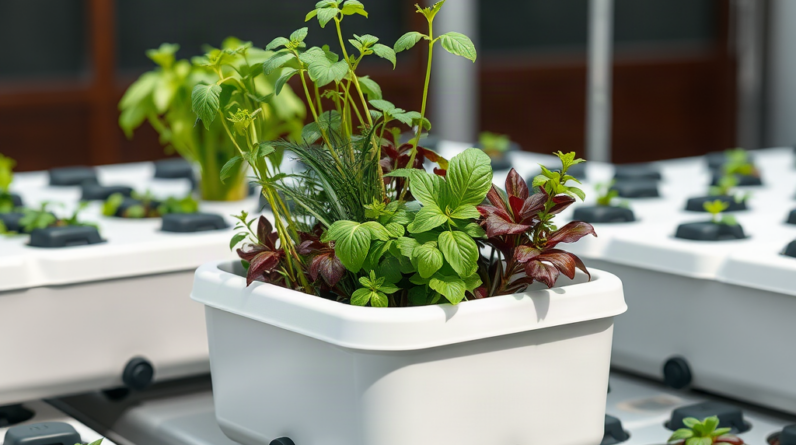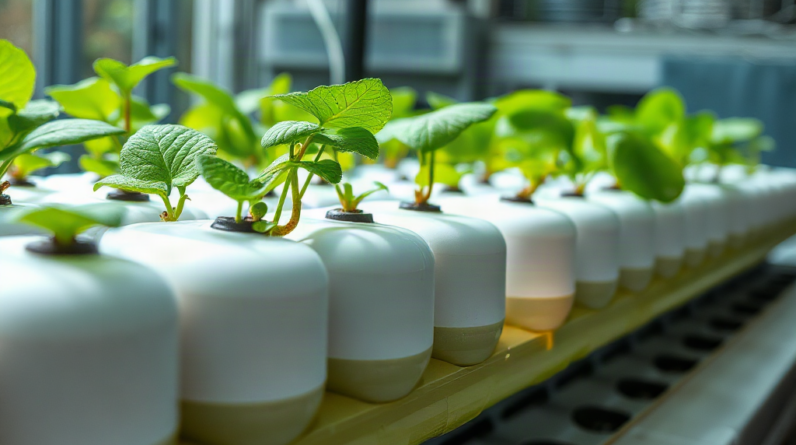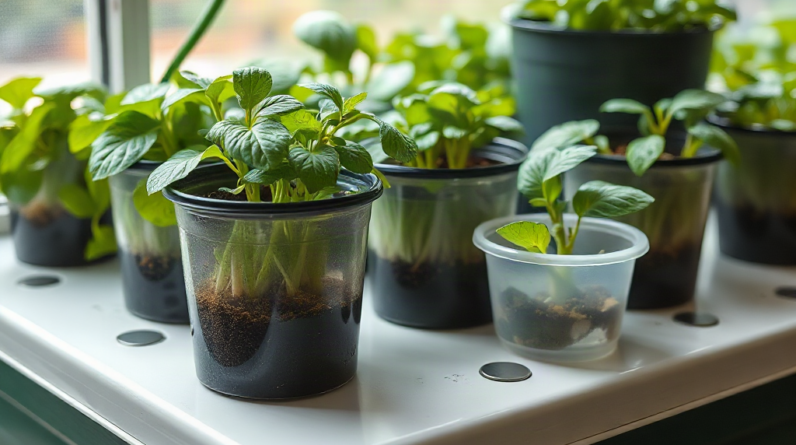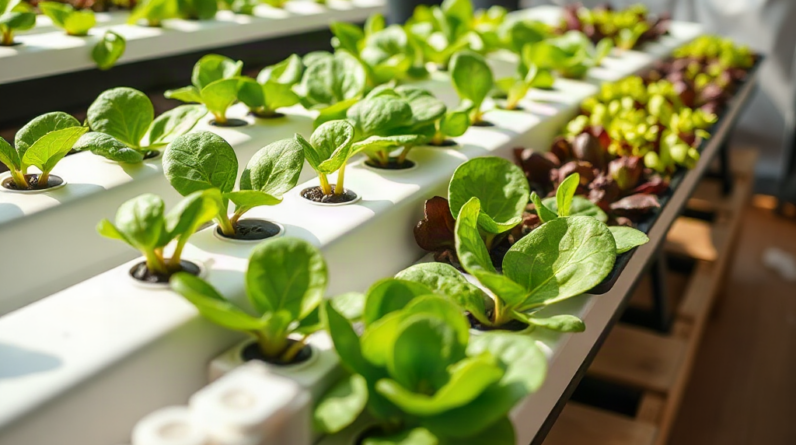
Hydroponic gardening myths about nutrient strength often confuse a stronger EC reading with better plant nutrition, even though EC measures electrical conductivity rather than complete nutrient balance. Plant age, crop type, light intensity, temperature, water quality, and root-zone conditions all affect how much feed is appropriate. A young lettuce transplant may struggle under a concentration intended for fruiting tomatoes, while a mature plant can show deficiency despite a high reading if pH or nutrient ratios are wrong. Use the fertilizer manufacturer’s crop-stage guidance as a starting point, verify pH and EC with calibrated meters, and adjust gradually while watching new growth, leaf color, and reservoir trends.
Why Stronger Nutrient Solutions Are Not Automatically Better
Plants do not become healthier simply because more fertilizer is dissolved in the reservoir. A nutrient solution supplies essential elements such as nitrogen, potassium, calcium, magnesium, and phosphorus, but each crop has a usable range rather than a single “maximum growth” setting. Concentration that suits a flowering tomato can be excessive for basil seedlings or newly transplanted lettuce.
The common myth comes from treating fertilizer like a performance upgrade: if a mild solution produces pale growth, adding more seems logical. The problem is that excess salts can raise osmotic pressure around the roots. Roots then have more difficulty taking up water, even when the reservoir contains plenty of it. Leaf-edge burn, slowed growth, wilted foliage, and unusually dark leaves may follow. Increasing concentration can therefore worsen a problem caused by poor light, cool roots, damaged roots, or incorrect pH.
Consider a lettuce raft with small plants and modest light. Raising EC because the leaves look light may add stress without correcting the cause. The same reading in a vigorously lit tomato canopy may reflect a very different demand. Crop identity and growth rate matter more than a universal number copied from another grower.
A better comparison is not “weak versus strong,” but adequate versus excessive for the current conditions. Begin with the nutrient label’s dilution range, use the lower end for seedlings or stressed plants, and increase only when growth and reservoir behavior justify it. The related discussion of hydroponic gardening myths about nutrient strength is most useful when it separates concentration from plant demand.
What EC and TDS Readings Can—and Cannot—Prove
EC measures how readily the solution conducts electricity; TDS meters estimate dissolved solids from conductivity using a conversion scale. Neither instrument identifies individual nutrients. A high reading may reflect a balanced formula, accumulated unused salts, hard-source minerals, or an incorrect meter conversion. It is a useful concentration signal, not a laboratory analysis of plant nutrition.
This distinction explains why chasing a number can produce confusing results. Suppose a recirculating reservoir begins at a chosen EC and later rises while the water level falls. The plants may be taking up water faster than dissolved nutrients, leaving a stronger solution behind. Adding more concentrate at that point can push the roots into a saltier environment. If EC falls while the water level remains fairly stable, plants may be using dissolved ions, although the reading still does not prove that every element is being removed in the right proportion.
Meter quality and technique also affect interpretation. Calibration solution should match the meter’s instructions, and the probe needs rinsing between measurements. Temperature compensation, residue on the sensor, and testing a poorly mixed reservoir can all create misleading readings. TDS values from two meters may differ because one uses a 0.5 conversion factor and another uses 0.7.
Use EC as one part of a small evidence set:
- Measure EC and pH after the reservoir has mixed thoroughly.
- Record the reading alongside water level, crop stage, and visible growth.
- Watch whether the value rises, falls, or stays stable over several checks.
- Inspect new leaves and roots instead of diagnosing from an old damaged leaf alone.
The practical mistake is treating a “correct” EC as proof that the formula is correct. If pH repeatedly drifts, roots are brown or slimy, or the source water already contains substantial minerals, the next step may be water-quality testing or root-zone troubleshooting rather than stronger feed.
How Crop Stage, Light, and Water Change the Target
Nutrient demand changes as plants move from germination to vegetative growth, flowering, and fruit production. Seedlings have small root systems and limited transpiration, so a concentrated solution can be harder for them to tolerate. Mature plants under strong light may process more water and nutrients, but that does not mean every mature crop should receive the same concentration.
Light is a major practical variable because it influences photosynthesis, transpiration, and growth rate. A tomato plant under intense, stable lighting may need a different feeding approach from a similarly sized plant in a dim window. Temperature and humidity alter water loss as well. A grower who copies a feed target from a dry, bright room into a cool, humid room may see reservoir EC rise because water is being used slowly.
Source water adds another layer. Tap water may contain calcium, magnesium, alkalinity, or other dissolved material that contributes to EC before fertilizer is added. Starting with the same final EC does not guarantee the same nutrient profile when one reservoir begins with very soft water and another begins with mineral-rich water. Reverse-osmosis water can offer greater control, but it may require deliberate calcium and magnesium provision according to the fertilizer formula.
A useful scenario is a basil crop that looks hungry after a lighting change. If light intensity increased and new growth accelerated, a modest feed adjustment may make sense. If the light was reduced and the reservoir became more concentrated, adding fertilizer would move in the wrong direction. Record changes rather than reacting to a single leaf symptom. When comparing advice, prioritize recommendations that identify crop, stage, water source, and environmental conditions instead of presenting one number as universal.
For a broader reference point, the internal page about nutrient-strength myths should be read alongside the manufacturer’s crop-specific chart. Neither chart nor meter replaces observation of the growing environment.
A Safer Way to Adjust Nutrient Strength
Adjust concentration in small, deliberate changes rather than making several corrections at once. First confirm that the reservoir is mixed, the meter is functioning, and the pH is within the range appropriate for the crop and nutrient product. Check whether the problem affects new growth, the whole plant, or only older leaves. This sequence prevents a grower from using fertilizer strength to compensate for a measurement or root problem.
When EC is higher than intended, dilute with suitable water gradually and retest after circulation. When EC is lower and plants are actively growing, add measured nutrient concentrate according to the product’s instructions, mix thoroughly, and recheck before adding anything else. Never pour concentrated components together unless the label specifically permits it; separate products can react and form precipitates before they reach the reservoir.
Reservoir replacement can be more predictable than endlessly correcting a heavily drifted solution, especially in small systems where evaporation and top-offs have changed the nutrient balance. A full change also gives the grower a clean starting record. The tradeoff is wasted solution and additional work, so routine monitoring can reduce the need for emergency resets.
Use this compact decision order:
- Identify the crop and growth stage.
- Check pH, EC, water level, temperature, and root appearance.
- Compare current readings with the previous record, not just a target copied online.
- Make one modest change and observe new growth before making another.
Signs of a useful adjustment include steadier new growth, less edge burn, and a reservoir trend that matches plant water use. Signs that the approach is failing include rising EC after repeated feeding, worsening wilt despite adequate water, or symptoms spreading to new leaves. Those patterns call for examining roots, airflow, light, and water chemistry rather than escalating concentration.
Symptoms That Expose Nutrient-Strength Myths
Leaf symptoms rarely identify nutrient strength by themselves. Pale older leaves may reflect nitrogen shortage, but they can also follow poor root function or unsuitable pH. Brown tips can occur with excessive salts, irregular moisture, high heat, or sensitive varieties. Purple coloring may relate to phosphorus availability, temperature, genetics, or lighting. A single visual clue is a starting point for investigation, not permission to add fertilizer.
Look first at the pattern and location. Damage on older leaves suggests a different process from distortion on the newest growth. Uniform stress across a crop points toward an environmental or reservoir-wide issue, while one plant may have damaged roots, a blocked emitter, or poor contact with the solution. In a deep-water culture bucket, low oxygen or warm solution can impair uptake even when EC is modest. In a drip system, uneven delivery can make one plant appear underfed while the reservoir tests normally.
Compare the “more nutrients” assumption with the “better access” question. Roots need oxygen, appropriate pH, adequate moisture, and a compatible solution. Raising EC cannot repair a clogged dripper or restore roots damaged by prolonged heat. Likewise, lowering EC may not correct a deficiency if the formula lacks an element or if pH keeps moving outside the crop’s workable range.
Photograph new growth, note reservoir readings, and change only one major variable at a time. If symptoms improve in fresh leaves while old damage remains, the plant may be recovering; old tissue will not necessarily regain its original appearance. If new growth worsens after a concentration increase, reverse that change and investigate the root zone before trying another additive. Reliable diagnosis is slower than guesswork, but it avoids the cycle of alternating between overly weak and overly strong solutions.
Frequently Asked Questions
Does a higher EC always mean more available nutrition?
No. EC indicates conductivity from dissolved material, not the amount or balance of each essential element. Source-water minerals and accumulated salts can raise the reading.
Should seedlings receive the same nutrient strength as mature plants?
Usually not. Small seedlings generally have lower demand and less root capacity, so the lower end of the product’s recommended range is often more suitable.
Why does reservoir EC rise after adding nutrients?
Added fertilizer directly raises conductivity, but a rising reading later may indicate that plants are using water faster than dissolved nutrients. Evaporation can contribute as well.
Can nutrient strength fix yellow leaves?
Not reliably. Yellowing may involve pH, root damage, light, temperature, water chemistry, or a true deficiency. Check those conditions before increasing fertilizer.
Is EC better than TDS for hydroponic monitoring?
EC is generally easier to compare when meters use different TDS conversion factors. Either reading can help with trends if the same calibrated instrument is used consistently.
Conclusion
Nutrient strength should match the crop’s stage and growing conditions, not an isolated number or the belief that more fertilizer creates faster growth. Treat EC as a conductivity trend, account for source-water minerals, and verify pH, root health, temperature, light, and delivery before changing the reservoir. Make one measured adjustment, record the result, and judge success by new growth and stable plant behavior rather than by trying to erase old leaf damage. A dilution or reservoir reset may be more sensible than repeated additions when salts have accumulated. The next useful step is to record your crop, water source, EC, pH, temperature, and recent environmental changes together; that record turns nutrient-strength myths into testable decisions.
Related Content
- Hydroponic Root Zone Oxygen Indicators: Symptoms, Tests, And Fixes
- Balcony Container Selection for Hydroponic Growing: Load, Light, and Drainage Checklist
- iDOO Indoor Garden Hydroponics Growing System 12Pods WiFi Smart Garden Plant Germination Kit with LED Grow Light Review
- When a Hydroponic Reservoir Needs a Second Pump: Flow Tests, Placement, And Backup Use
- The Ultimate Guide to Hydroponic Vertical Farming Strategies for 2025
Further Reading
Authoritative Sources
- Intro to Hydroponics: Know Your Own (Nutrient) Strength!
fifthseasongardening.comIf you see deficiencies, identify them and then mix, pH, EC, and feed/treat those ladies. If you find yourself with too high of an EC, its a ...
- Electrical Conductivity and pH Guide for Hydroponics
extension.okstate.eduThe EC of a nutrient solution can be checked by using an EC meter, which can be bought online and ranges from $100 to $500. A meter that has both EC and pH ...
- EC and PPM in Hydroponics: What They Mean and Why ...
aquagertech.comEC and PPM measure how concentrated your nutrient solution is. What the numbers mean, ideal ranges by plant, and how to use a meter ...
- EC Levels in Hydroponics: What You Need to Know
thetyedyediguana.comHigh EC levels can indicate that your plants are nutrient blocked. the best EC levels are in the moderate range during the growing period, about 1.2 to 1.6, ...