Hydroponic system overflow prevention around reservoirs depends on controlling both unintended inflow and blocked return flow before nutrient solution reaches the rim. Set a verified maximum fill level, preserve enough empty reservoir volume for drain-back, secure return lines against roots and debris, and place float valves where turbulence cannot trigger erratic filling. A high-level shutoff or leak alarm adds protection but should not replace correct plumbing and capacity calculations. Test the setup with pumps stopping, outlets restricted, and automatic top-off activated, because those conditions reveal siphoning, displaced solution, and drainage bottlenecks that normal operation may hide.
Identify Every Route That Can Overflow a Reservoir
A reservoir can spill even when its pump and container appear properly sized. The liquid may arrive from an automatic top-off line, drain back from elevated channels after a pump stops, siphon through tubing, or back up because roots and debris restrict a return. Prevention begins by tracing each route into the reservoir and asking what happens when the normal flow sequence is interrupted.
Recirculating installations deserve particular attention because their operating level is not the maximum level they may reach. While the pump runs, part of the nutrient solution occupies supply tubing, grow channels, buckets, trays, and filters. When power stops, some or all of that liquid returns. A reservoir filled close to its rim during operation may therefore overflow during an outage even though no additional water enters the installation.
Interconnected containers create a different failure pattern. If a control reservoir is lower than the plant sites, gravity may continue moving solution toward it after circulation stops. If it is higher, a supply tube can siphon into lower modules. Uneven floors can also concentrate more solution in one vessel than expected. For detailed planning, treat hydroponic system overflow prevention around reservoirs as a whole-loop issue rather than a container-only issue.
Automatic filling adds another independent source of risk. A float valve can remain open because mineral deposits impede its movement, a root catches the arm, or turbulence makes the float repeatedly fall and rise. A timer-controlled transfer pump can overfill the reservoir if plant demand changes or a level sensor becomes coated. Limiting the volume available from the top-off container reduces the consequence of either fault; connecting an unrestricted water supply increases it.
Inspect the installation by following this compact failure-path checklist:
- Inflow: top-off valves, transfer pumps, supply hoses, and possible siphons.
- Return flow: drains, standpipes, filters, elbows, screens, and root-prone openings.
- Stored liquid: solution held above the reservoir while circulation runs.
- External displacement: roots, net pots, equipment, and containers added after calibration.
- Container condition: cracks, bowed walls, loose bulkheads, and an unlevel base.
The common mistake is checking only for leaks. A watertight reservoir can still overflow through perfectly intact plumbing when liquid arrives faster than it can leave or when the available headspace is too small. Map flow under normal operation, pump shutdown, blocked drainage, and top-off failure before deciding which safeguard matters most.
Set Safe Fill Levels and Drain-Back Capacity
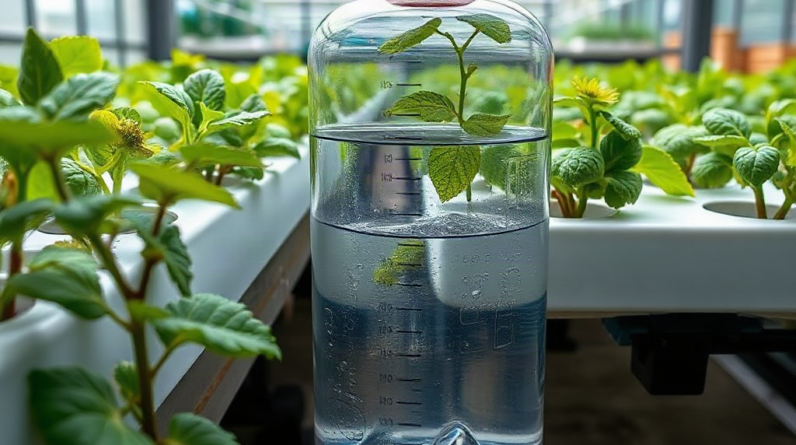
A safe fill line must be established by measurement under the installation’s highest credible return volume, not by choosing a convenient mark near the rim. The useful capacity of a reservoir is smaller than its advertised capacity because pumps, air lines, sensors, turbulence, and emergency drain-back all require space.
Start with the installation at its normal low operating level and all plant sites filled as intended. Stop the circulation pump without closing any lines that would normally remain open during a power outage. Watch the reservoir until the level stops rising, including slow drainage from long tubes or shallow channels. The difference between the running level and the settled shutdown level is the measured drain-back volume for that configuration.
Do not place the maximum mark exactly at the settled level. Leave additional vertical clearance for waves, foam, small calibration errors, and changes in plumbing. A wide reservoir may gain a large volume from a modest rise in depth, while a narrow container can approach the rim quickly. Mark both a normal operating range and a hard maximum on the container where they remain visible in the grow-room lighting.
Consider a nutrient film technique setup with several channels mounted above a floor reservoir. During circulation, each channel holds only a shallow film, but the supply manifold and return plumbing also contain solution. Once the pump stops, their combined contents may raise the reservoir several centimeters. Testing with the channels empty would miss that stored volume and produce an unsafe fill mark. The correct test uses the system in its normal wet condition.
Plant development changes the calculation. Expanding root masses displace liquid inside buckets and can slow their drains. Filters collect solids, tubing may sag into low spots, and added modules increase circulating volume. Recheck the shutdown level after modifying the loop and periodically during a crop cycle. A fill line established before mature roots developed should not be treated as permanent.
Larger reservoir capacity offers more headspace and slower concentration changes, but replacing a small reservoir is not the only option. Lowering the operating range may work if the pump remains submerged and adequately cooled at the minimum level. An auxiliary catch reservoir can accept emergency drain-back where floor space permits. By contrast, drilling an overflow outlet directly to a floor drain may limit property damage but can release nutrient solution where disposal is inappropriate. Capacity, pump requirements, and drainage destination should be evaluated together rather than treating the overflow outlet as the primary control.
Build Reliable Plumbing, Returns, and Automatic Top-Off
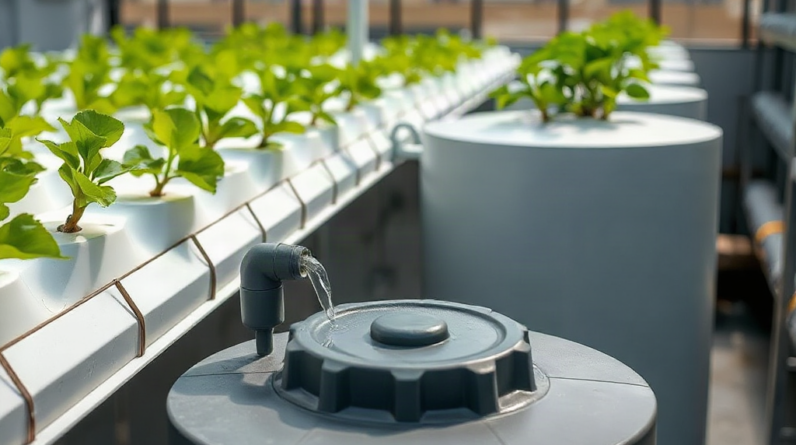
Return plumbing should pass the expected flow without depending on a single narrow opening that roots or debris can obstruct. Gravity drains need continuous fall, suitable diameter, secure joints, and access for inspection. A drain that handles clean-water testing may become marginal after roots grow around a standpipe or nutrient residue accumulates on a screen.
Redundancy is valuable where a tray, bucket row, or control reservoir could spill before anyone notices. A secondary return installed above the normal operating level can carry liquid if the primary drain slows. Its inlet must remain unobstructed and its discharge must lead to a container with available capacity. Two drains routed through the same clogged screen are not genuinely redundant.
Supply lines need equal scrutiny. Position outlets so that a disconnected hose cannot pump outside the reservoir, and secure tubing against vibration and accidental pulling. Where elevation can create a siphon, route the line to break above the receiving liquid level or use a purpose-designed anti-siphon arrangement compatible with the pump and flow requirements. A check valve may reduce reverse flow, but residue can keep it from sealing; it should not be the only barrier protecting the floor.
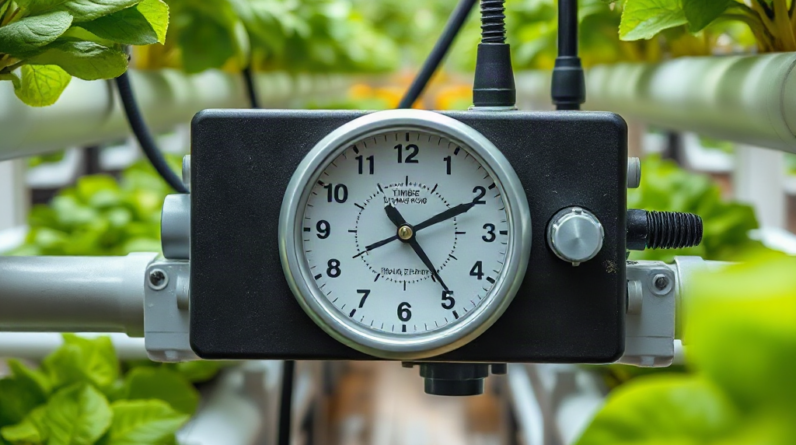
Automatic top-off works best as a limited replenishment system rather than an unlimited water source. A small day tank or covered top-off container caps the amount that can enter if a float sticks. Place a mechanical float valve away from vigorous aeration and return splashing, leave clearance for its full travel, and inspect it for deposits. Electronic level controls can separate the sensor from the valve or pump, but they introduce wiring, relay, and sensor-fouling failure modes.
A practical arrangement combines independent layers:
- Set the valve or transfer-pump cutoff below the tested maximum fill line.
- Limit the top-off supply to a volume the reservoir can safely accept.
- Add a separate high-level sensor that stops inflow or sounds an alarm.
- Place a clean catch tray or wet-area alarm beneath vulnerable connections.
The layers should fail independently. A top-off pump and high-level alarm controlled by the same stuck sensor do not provide meaningful backup. Likewise, a catch tray without enough capacity merely delays a floor spill. Readers assessing hydroponic system overflow prevention around reservoirs should prioritize passive capacity and gravity-safe routing first, then use sensors and alarms to detect faults that remain.
A common misconception is that a larger return pump will solve a backing-up grow tray. Increasing pump output may actually send solution into the tray faster and worsen the overflow. When the high level occurs upstream, reduce inflow temporarily and inspect the gravity return, root intrusion, filter loading, and pipe slope before changing pump size.
Test Safeguards and Respond to Warning Signs
Overflow controls are credible only after they have been tested under abnormal conditions. A normal circulation test confirms routine operation but says little about power loss, partial drain blockage, a stuck fill valve, or a hose slipping from its fitting. Run controlled tests while the installation is attended and keep electrical connections protected from any expected water path.
Begin with a pump-stop test at the highest permitted operating level. Disconnect power as an outage would, then observe the reservoir and every elevated plant site until movement stops. Next, simulate reduced return capacity without completely sealing a drain; a removable restriction can show whether the liquid reaches a secondary return or dangerous tray level. Never create pressure in plumbing not designed for it, and remove the restriction immediately after the test.
Test automatic top-off separately. Move the float or trigger the sensor to verify that inflow starts and stops at the intended levels. Then activate the independent high-level control and confirm that it interrupts the filling device or produces an alarm that can be heard or received where needed. If the design uses a limited day tank, verify that its entire usable contents can enter without pushing the main reservoir over its safe maximum.
Early warning signs often appear before a spill. A reservoir that rises higher after each shutdown may indicate narrowing returns or increased root displacement. Gurgling drains, pulsing levels, persistently wet bulkhead fittings, a float that chatters in turbulence, or a pump drawing air at the low mark all justify correction. Water marks near the rim show that the operating margin has already been consumed, even if no overflow was witnessed.
When a spill starts, stop active inflow first if it is safe to reach the control. Disconnect pumps and top-off equipment using a dry, accessible switch or upstream protection rather than stepping into water near energized equipment. Contain the nutrient solution, protect nearby electrical equipment, and identify whether the immediate cause was excess inflow, failed return flow, siphoning, or inadequate headspace. Do not simply refill and restart.
After cleanup, reproduce the failure with water and close supervision before returning the loop to service. Replace cracked fittings, clear roots without leaving fragments in the drain, reset fill marks, and repeat both running and shutdown tests. Documenting the settled level and test date makes gradual changes easier to spot. A monthly inspection may suit a stable small setup, while fast-growing roots, frequent reservoir changes, or unattended operation warrant more frequent checks.
Frequently Asked Questions
How much empty space should be left in a hydroponic reservoir?
Leave enough space for the measured volume that returns after pump shutdown, plus clearance for turbulence and changes in root displacement. Determine this with a supervised shutdown test rather than a fixed percentage.
Can a float valve alone stop a reservoir from overflowing?
A float valve controls normal filling but can stick, foul, or respond poorly to turbulence. Limit the available top-off volume and add an independent high-level shutoff or alarm where a spill would cause damage.
Why does the reservoir overflow only when the pump turns off?
Solution stored in elevated channels, buckets, manifolds, and tubing drains back after circulation stops. The running fill level is too high if the reservoir cannot hold that returning volume.
Will a larger drain always prevent a hydroponic overflow?
A larger drain can improve gravity-return capacity, but poor slope, root blockage, shared screens, air locking, or an undersized receiving reservoir can still cause a backup. Inspect the complete return path.
Where should a leak alarm be placed near the reservoir?
Place its sensor at the lowest likely collection point near bulkheads, pumps, and top-off connections, without putting it where routine splashing causes false alarms. Test it with the notification method enabled.
Conclusion
Reliable overflow control comes from understanding where solution can travel when circulation, drainage, or filling no longer behaves normally. Measure the full shutdown return, keep that volume below a clearly marked maximum, and protect every gravity drain from roots, residue, and poor slope. Limit automatic top-off volume instead of trusting a single valve or sensor with an unrestricted supply.
The next step is a supervised fault test: stop the pump at the highest allowed level, verify drain-back clearance, check secondary returns, and trigger each top-off cutoff independently. Record the resulting levels and repeat the test after plumbing changes or substantial root growth. Alarms and catch trays provide useful warning and containment, but adequate headspace, accessible returns, secure hoses, and independently operating shutoffs should carry the main protection.
Related Content
- A Beginner’s Guide to Hydroponic Gardening
- Hydroponic Farming System: Revolutionizing Agriculture for the Future
- How to Maximize Pepper Yield in Hydroponic Systems
- How to Identify Pests in Hydroponic Systems: Symptoms, Signs, and Effective Methods
- 10 Effective Indoor Hydroponic Vegetables to Grow in 2025: The Ultimate Guide