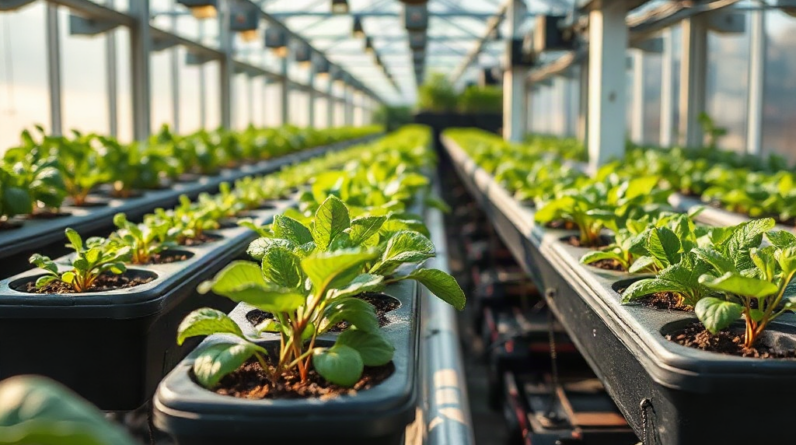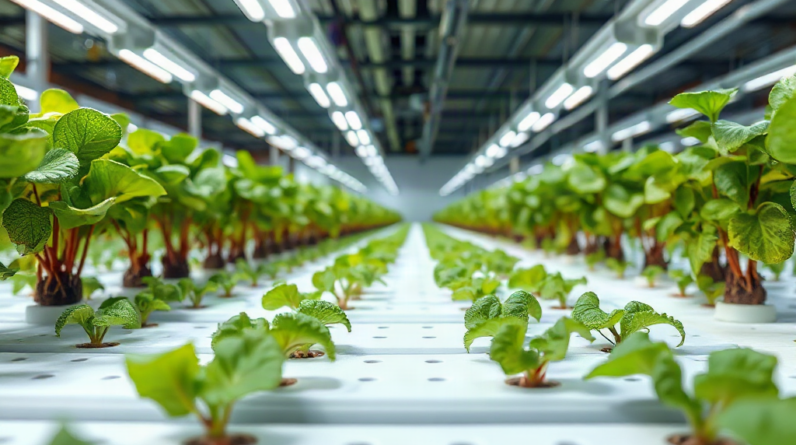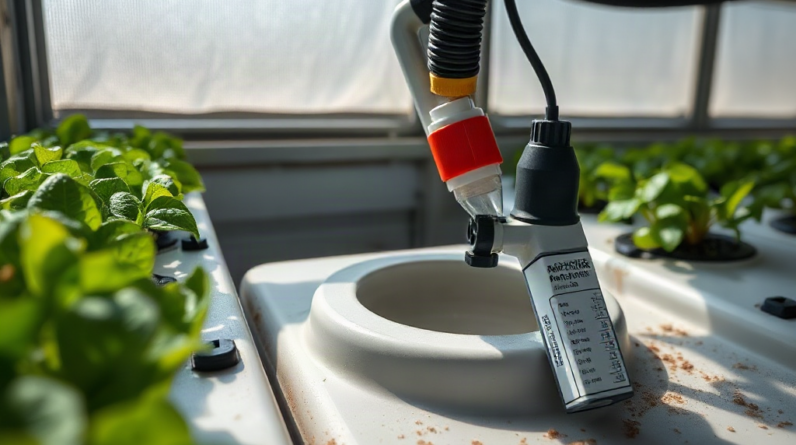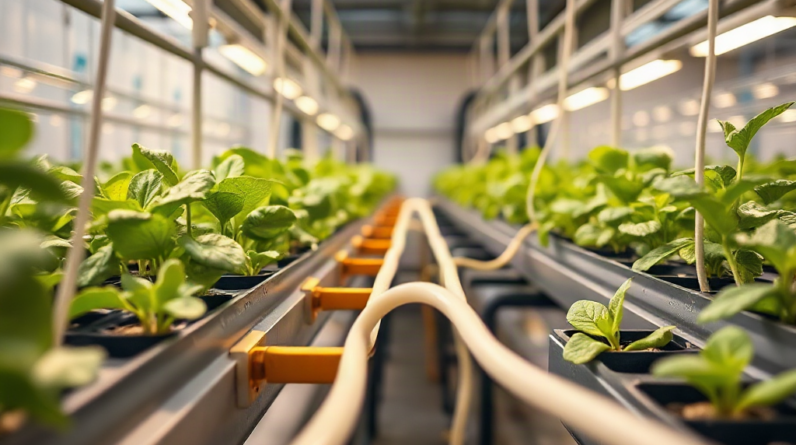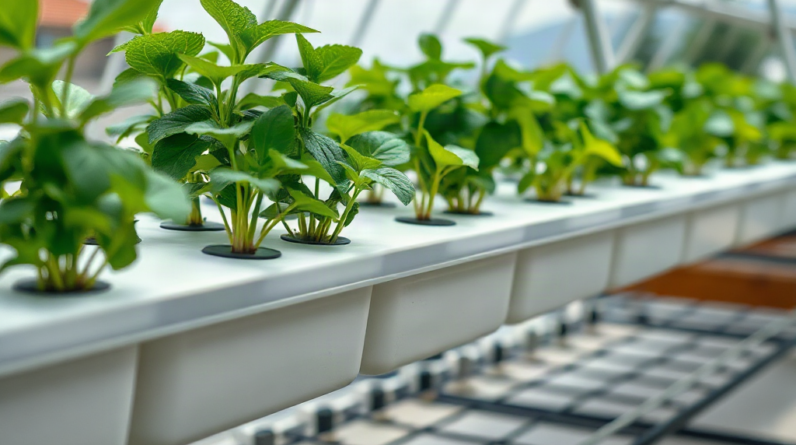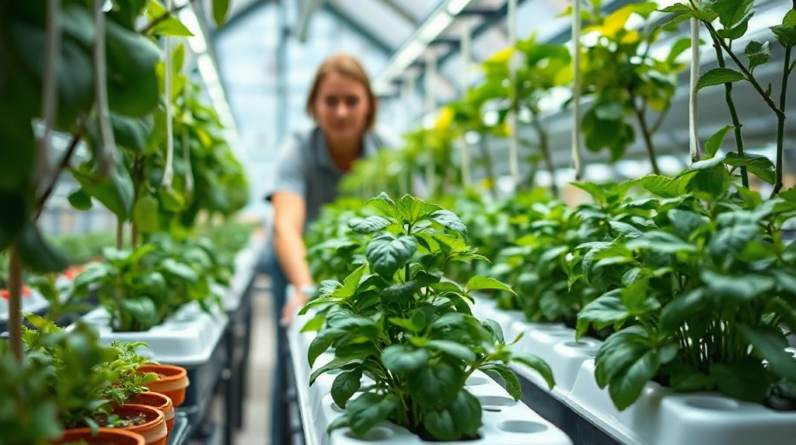
To avoid common pitfalls in hydroponic gardening, focus on proper nutrient management, adequate lighting, and maintaining pH balance. Many gardeners overlook the importance of regularly testing nutrient solutions, which can lead to deficiencies or toxicities that stunt growth. Additionally, providing the right light intensity for your specific plants is essential; for instance, leafy greens need less light than fruiting plants. To ensure optimal growth, invest in quality pH and EC meters, and consider using full-spectrum LED lights to mimic natural sunlight. By addressing these key areas, you can significantly enhance your plants' health and yield.
Understanding Nutrient Management
Nutrient management is a critical aspect of hydroponic gardening that can significantly impact plant health. Many novice gardeners assume that providing a single type of nutrient solution is sufficient, but this often leads to deficiencies or toxicities. Regular monitoring of nutrient levels and adjusting them based on plant growth stages is essential. For instance, during the vegetative stage, plants require higher nitrogen levels, while flowering stages necessitate increased phosphorus and potassium.
A common mistake is neglecting to conduct regular tests of the nutrient solution. Without testing, it’s challenging to identify imbalances that can stunt growth or lead to poor crop yields. Investing in a quality pH and EC (electrical conductivity) meter can help in maintaining optimal nutrient levels. Additionally, consider using a nutrient calculator to ensure that your plants receive the right proportions of essential elements throughout their growth cycle.
Importance of Lighting in Hydroponics
Lighting is another crucial factor that impacts the success of hydroponic gardening. Insufficient light can lead to weak, leggy plants, while too much light can cause leaf burn and hinder photosynthesis. Understanding the light requirements of specific plants is essential for optimal growth. For example, leafy greens generally require less light intensity compared to fruiting plants like tomatoes.
Most hydroponic systems benefit from full-spectrum LED lights, which mimic natural sunlight and promote healthy growth. One common error is using lights that are too far away from the plants, resulting in inadequate light exposure. A good practice is to position your lights 12 to 24 inches above the canopy, depending on the type of fixture used. Regularly adjusting the height of the lights as plants grow can help maintain effective light levels.
Maintaining pH Balance
Maintaining the right pH balance in hydroponic systems is vital for nutrient absorption. Most plants thrive in a pH range of 5.5 to 6.5. If the pH level is too high or too low, plants may struggle to absorb essential nutrients, leading to deficiencies. Regular testing and adjusting of pH levels can prevent these issues.
A common misconception is that pH levels are static; however, they can fluctuate due to nutrient uptake and water changes. It’s advisable to check pH levels at least once a week and adjust as necessary using pH up or down solutions. Additionally, consider incorporating organic matter or beneficial microbes that can help stabilize pH levels over time.
Common Environmental Issues
Environmental conditions such as temperature, humidity, and air circulation also play a significant role in hydroponic gardening success. High temperatures can lead to heat stress, while low humidity can cause plants to transpire too quickly, leading to wilting. Maintaining a stable environment is essential for healthy plant growth.
One frequent pitfall is neglecting air circulation, which can result in stagnant air and increased risk of mold and pests. Utilizing fans to promote airflow and maintaining proper spacing between plants can help mitigate these risks. Additionally, consider using thermometers and hygrometers to monitor environmental conditions and adjust as necessary.
Frequently Asked Questions
What are the most common mistakes in hydroponic gardening?
Common mistakes include improper nutrient management, inadequate lighting, and failure to monitor pH levels.
How often should I check nutrient levels in hydroponics?
Nutrient levels should be checked at least once a week to ensure optimal plant growth.
What type of lighting is best for hydroponic systems?
Full-spectrum LED lights are ideal for hydroponic systems as they mimic natural sunlight and promote healthy plant growth.
How can I maintain the right pH level?
Regular testing and adjusting of pH levels using pH up or down solutions will help maintain the ideal range for nutrient absorption.
Why is air circulation important in hydroponics?
Good air circulation prevents stagnant air, reducing the risk of mold and pests while promoting healthy plant growth.
Further Reading
Authoritative Sources
- USDA National Institute of Food and Agriculture
nifa.usda.govResearch and extension resources related to agriculture, plants, soil, and food systems
- Extension Foundation Gardening Resources
extension.orgUniversity extension education resources for practical gardening and home agriculture topics
- USDA Natural Resources Conservation Service
nrcs.usda.govSoil, water, conservation, and land management resources for practical growing decisions
Conclusion
Identifying and avoiding common pitfalls in hydroponic gardening is essential for achieving thriving plants and maximizing yields. Focus on proper nutrient management, adequate lighting, and maintaining pH balance. Regular monitoring of environmental conditions will further enhance plant health. By understanding these critical aspects, you can create a successful hydroponic system that produces bountiful crops.