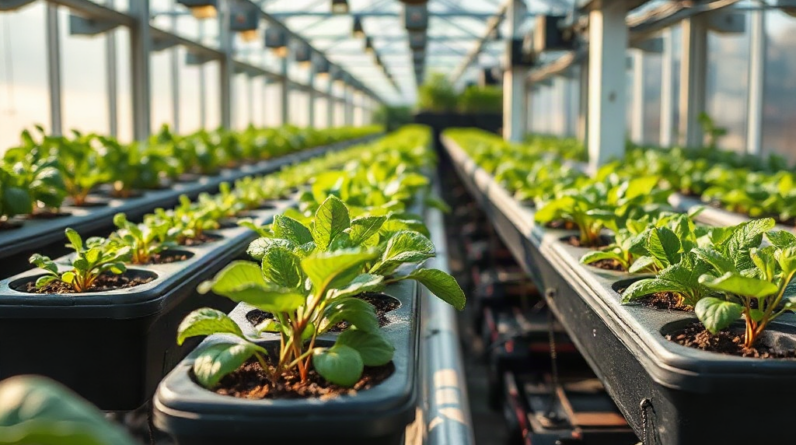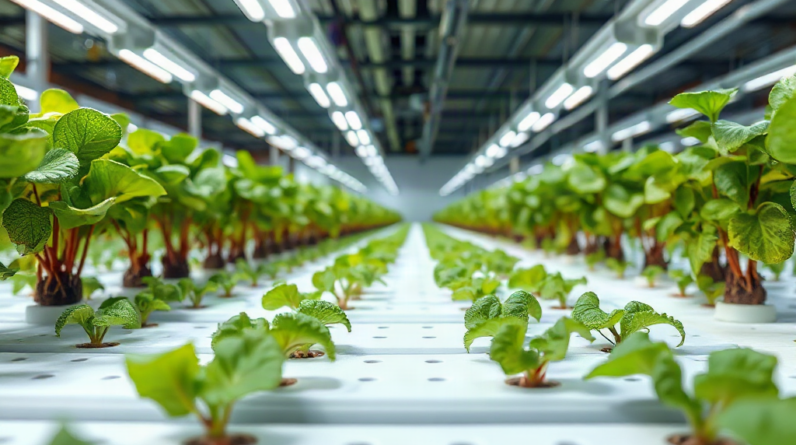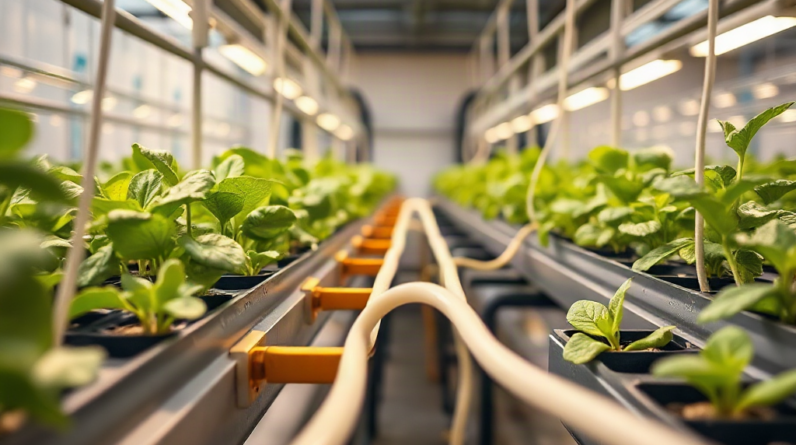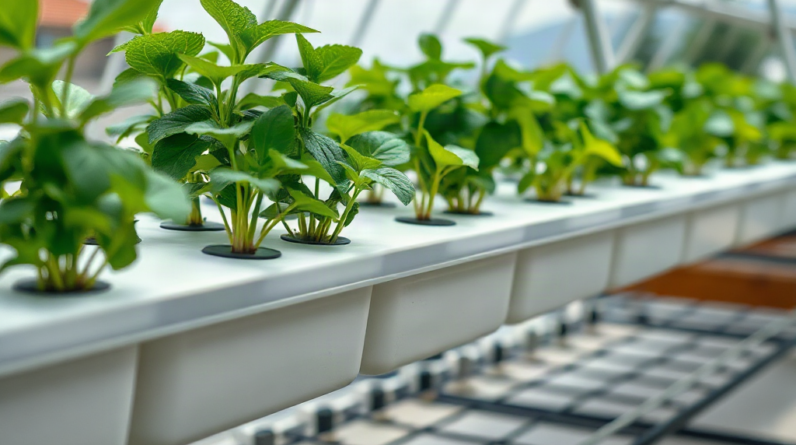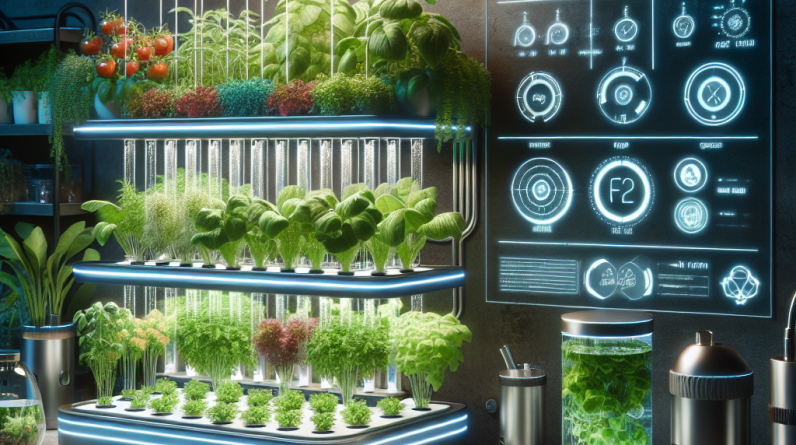
To avoid lighting mistakes in hydroponic setups, it’s essential to select the appropriate light type, understand the correct placement, and manage light duration effectively. Many gardeners err by using inadequate lighting, such as incandescent bulbs, which do not provide the necessary spectrum for plant growth. Additionally, improper positioning can lead to insufficient light intensity or leaf burn. For optimal results, utilize full-spectrum LED lights, ensuring they are placed at the right distance from the plants and adjust the photoperiod based on the specific needs of your crops. This approach will promote healthier growth and maximize yield.
Understanding Light Requirements
Light is essential for photosynthesis, the process by which plants convert light energy into chemical energy. In hydroponic systems, understanding the specific light requirements of your plants is crucial. Different plants have varying needs for light intensity, duration, and spectrum. For example, leafy greens typically thrive under lower light intensity compared to fruiting plants like tomatoes, which require more light for optimal growth.
Moreover, light spectrum plays a significant role in plant development. Plants utilize different wavelengths of light for various growth stages. Blue light is essential for vegetative growth, while red light promotes flowering and fruiting. Understanding these requirements helps in selecting the right lighting setup for your hydroponic system.
Common Lighting Mistakes
Many hydroponic gardeners make critical mistakes regarding lighting that can hinder plant growth. One common error is using inadequate or inappropriate light sources. For instance, traditional incandescent bulbs emit a lot of heat but provide insufficient light spectrum for plant growth. Additionally, many beginners underestimate the importance of light duration—plants need a consistent photoperiod to thrive. Too little light can lead to slow growth, while too much can cause stress and damage.
Another frequent mistake is incorrect light placement. Lights that are too far from plants may not provide enough intensity, while those placed too close can cause leaf burn. Understanding the ideal distance between the light source and plant canopy is vital for maximizing photosynthesis without causing harm.
Choosing the Right Light Type
Choosing the right type of light for your hydroponic setup can significantly impact plant growth and yield. LED lights are becoming increasingly popular due to their energy efficiency and ability to provide a full spectrum of light. They generate less heat, allowing for closer placement to plants without the risk of burning them. Additionally, they consume less energy compared to traditional lighting options, reducing overall operating costs.
Fluorescent lights are another viable option, particularly for seedlings and young plants. They provide adequate light at a lower cost and are suitable for small-scale hydroponic setups. However, they may not be sufficient for more mature plants that require higher intensity light for optimal growth.
Optimal Light Placement and Timing
Proper light placement and timing are critical factors in avoiding lighting mistakes. The general rule of thumb is to position lights about 12 to 24 inches above the plant canopy, depending on the light type and intensity. Regularly monitor plant growth and adjust the height as necessary to ensure they receive adequate light without stress.
Timing is equally important. Most plants require 12 to 16 hours of light per day, followed by a period of darkness to mimic natural conditions. Automated timers can help maintain a consistent light schedule, reducing the risk of overexposure or underexposure. Understanding the specific needs of your plants and adjusting light schedules accordingly can lead to healthier growth and higher yields.
Frequently Asked Questions
What types of lights are best for hydroponic setups?
LED lights are often considered the best due to their energy efficiency and ability to provide a full spectrum of light. Fluorescent lights are also suitable for seedlings.
How far should grow lights be from plants?
Grow lights should generally be placed 12 to 24 inches above the plant canopy, depending on the type and intensity of the light.
How much light do hydroponic plants need?
Most hydroponic plants require 12 to 16 hours of light per day, followed by a period of darkness to simulate natural conditions.
What are the consequences of too much light?
Excessive light can cause plant stress, leaf burn, and hinder overall growth. It's crucial to monitor light levels and adjust accordingly.
Can I use regular bulbs for hydroponics?
Regular incandescent bulbs are not recommended as they emit insufficient light spectrum for plant growth and can generate excessive heat.
Further Reading
Authoritative Sources
- USDA – Hydroponic Gardening Resources
usda.govThis resource offers a comprehensive overview of hydroponic gardening, including lighting requirements and best practices
- University of Illinois Extension – Lighting for Hydroponics
extension.orgAn authoritative guide on different types of grow lights and their applications in hydroponic systems
- Purdue University – Grow Light Basics
hort.purdue.eduA detailed resource explaining the science behind grow lights and their impact on plant growth
Conclusion
Lighting is a fundamental aspect of successful hydroponic gardening that should not be overlooked. By understanding light requirements, avoiding common mistakes, and selecting the appropriate light type and placement, gardeners can significantly enhance plant growth and yield. It is essential to monitor light conditions regularly and adjust as necessary to ensure optimal health and productivity in hydroponic systems.