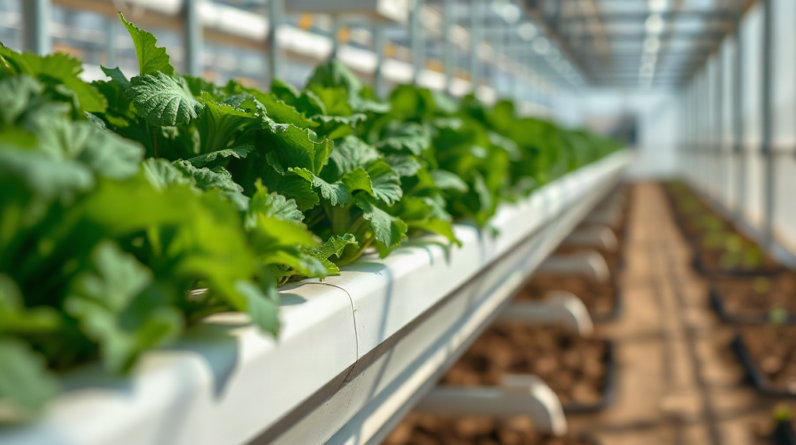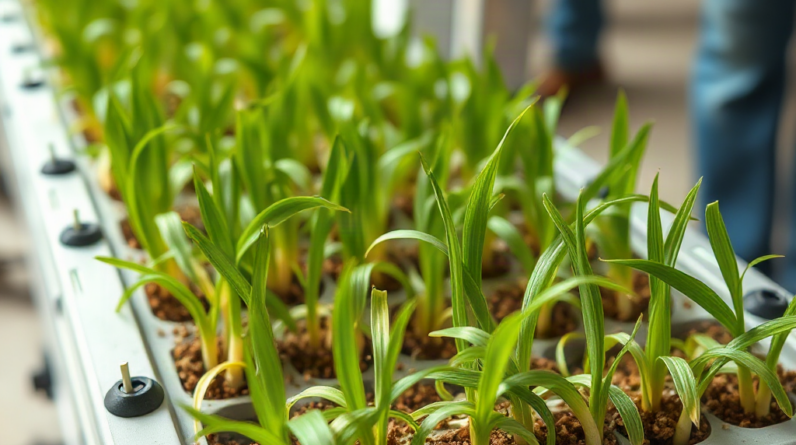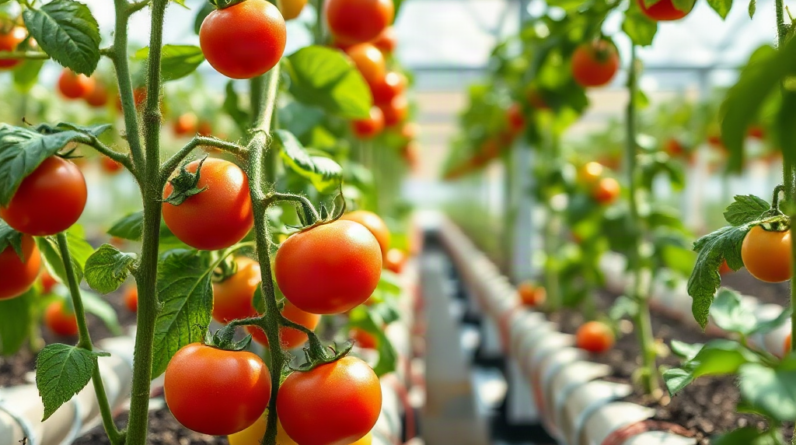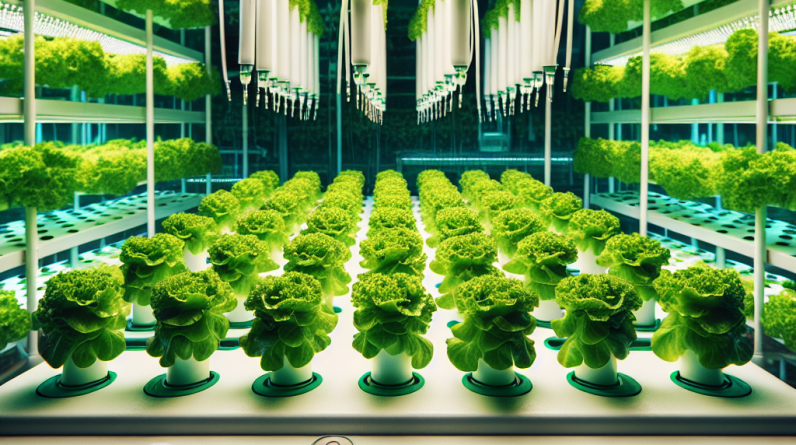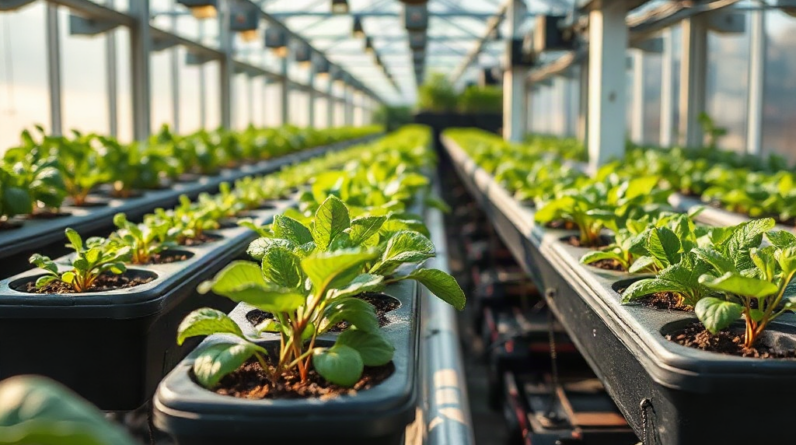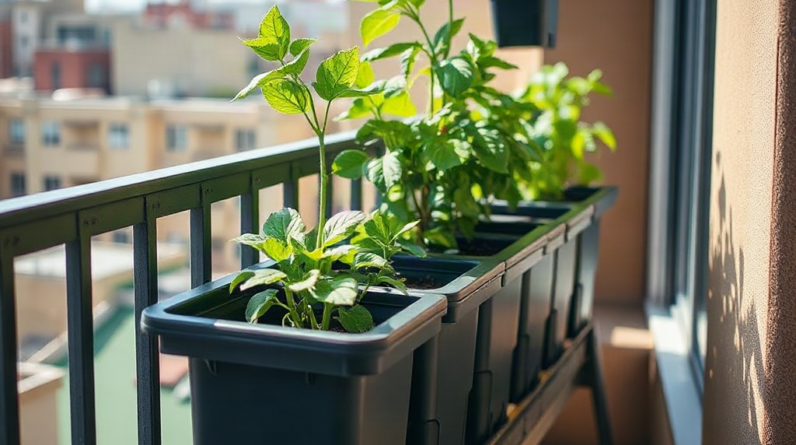
Balcony container selection for hydroponic growing should prioritize safe loaded weight, opaque food-compatible materials, stable dimensions, controlled drainage, and enough reservoir volume to limit rapid nutrient and temperature swings. Calculate weight with the container full because each liter of nutrient solution adds about one kilogram before plants, supports, and equipment are counted. Choose a low, broad reservoir that resists wind and blocks sunlight from reaching the solution. Confirm that pumps, lids, tubing, and drain points remain accessible after installation. A suitable container should fit the balcony without obstructing doors, walkways, railings, or required drainage paths.
Start With Balcony Load and Available Space
A balcony hydroponic container must be evaluated at its full operating weight, not by how easy the empty vessel is to carry. Nutrient solution contributes roughly one kilogram per liter, so a 40-liter reservoir holds about 40 kilograms of liquid before adding the container, plants, growing medium, trellis, pump, and protective enclosure. Multiple small reservoirs can create an equally substantial combined load.
Building-specific load capacity cannot be inferred from the balcony’s appearance, age, or floor material. Check lease or building rules and seek qualified structural guidance when capacity is uncertain, particularly for older balconies, projecting balconies, or installations involving several large reservoirs. Avoid concentrating all equipment in one small area merely because it is close to an electrical outlet. The location must also preserve door operation, walking clearance, railing access, and existing drainage routes.
Measure the usable footprint after accounting for maintenance movement. A reservoir that fits tightly between a wall and railing may become impossible to open once plants spread above it. Allow room to lift the lid, remove a pump, inspect roots, and carry away solution without leaning dangerously over the railing. A low rectangular tote often uses floor space more efficiently than a tall bucket, but it may occupy more of the walkway. Buckets are easier to separate and move when empty, although a row of them creates more tubing connections and more individual water levels to monitor.
Weight distribution deserves the same attention as total weight. A broad base or a rigid platform can reduce point loading and prevent narrow feet from damaging waterproof surfaces. Do not drill into the balcony, railing, or exterior wall without explicit permission and suitable building guidance. An apparently convenient attachment can penetrate waterproofing or create a falling-object hazard.
A useful layout test is to mark the proposed footprint with removable tape, then simulate opening the door, tending plants, removing the reservoir lid, and carrying a full watering container. If any task requires stepping over tubing or reaching beyond the railing, revise the layout before choosing the vessel. This physical test makes Balcony container selection for hydroponic growing a space-and-access decision rather than a simple volume comparison.
Choose a Container Material and Shape That Protect the Root Zone
An opaque, durable container is preferable because roots and nutrient solution need protection from light. Sunlight entering a translucent tote encourages algae on wet surfaces, consumes dissolved oxygen at night, and complicates cleaning. A dark exterior blocks light effectively, but direct summer sun can heat it quickly. On exposed balconies, an opaque reservoir with a light-colored, weather-resistant outer shield offers a better balance than either a clear tote or an unprotected black vessel.
Use a container intended for food or potable-water contact when possible, and verify its original purpose rather than relying on color alone. Never repurpose a vessel that held cleaners, pesticides, fuel, paint, or unidentified chemicals. Residues can remain in seams and scratches even after washing. New containers also need rinsing and inspection for manufacturing debris, damaged seals, or odors before nutrient solution is added.
Shape affects both stability and maintenance. Low, wide reservoirs resist tipping and offer generous solution capacity, but shallow solution can warm rapidly if the container has a large sun-exposed surface. Tall, narrow containers conserve floor area yet become less stable as plants and trellises increase their wind profile. Rounded buckets are structurally simple and easy to clean, while rectangular totes fit walls efficiently but may bow when filled if their sides are thin.
The lid must support the intended plant sites without sagging into the solution. A lettuce raft or net-pot lid carries less leverage than a mature tomato supported from the reservoir. Fruiting crops should have an independent frame or trellis so stem and fruit weight do not distort the lid. Any cut openings should fit net pots and tubing closely enough to exclude light while leaving components removable.
Inspect the interior before purchase. Deep molded ribs, narrow handles that open into the reservoir, and inaccessible corners trap roots and mineral deposits. Smooth internal surfaces are easier to wipe and sanitize between crops. Thin storage totes may seem economical, but repeated sun exposure and the outward pressure of water can cause warping or cracking. A container is failing if its sides bow progressively, the lid no longer seats flat, or hairline cracks appear near handles and drilled fittings.
Match Reservoir Volume to Crops and Weather
Reservoir capacity should reflect crop demand, exposure, and refill frequency rather than the number of planting holes alone. Leafy greens generally place less demand on a reservoir than mature cucumbers or tomatoes, while hot wind can accelerate water loss from any crop. A small vessel saves space, but its nutrient concentration, pH, temperature, and water level can change quickly. More solution adds buffering capacity at the cost of weight and floor area.
Consider a balcony with four young lettuces in a compact reservoir. Early growth may appear stable because the plants use little water. As leaf area expands and afternoons become warmer, the same reservoir can fall below the pump intake between checks. A larger reservoir or fewer plants gives the operator more time to respond. By contrast, oversizing a container for one small herb can leave a bulky volume that is awkward to replace and needlessly heavy.
Usable capacity is lower than the manufacturer’s stated volume. Space must remain above the solution for roots, return flow, aeration, and displacement from equipment. Deep-water culture also needs an air gap beneath the net pots once roots reach the solution. In a recirculating arrangement, the reservoir must accommodate water returning from channels when the pump stops. Filling to the brim during operation can therefore cause an overflow during a power interruption.
Temperature is a decisive balcony constraint. A small container in afternoon sun can heat rapidly, while a larger shaded reservoir changes temperature more slowly. Insulating the sides, raising the vessel slightly above a hot floor with a stable load-spreading base, and placing it behind a ventilated sun shield can reduce heat gain. Do not enclose pumps and electrical components in an airtight box; trapped equipment heat can offset the value of shading.
Choose capacity by observing the harshest likely operating period, not a mild planting day. Mark the normal solution level, record how much is added during warm and windy weather, and verify that pumps remain submerged before the next scheduled check. Falling levels, increasingly frequent pH correction, warm solution, or wilting late in the day indicate that demand has exceeded the reservoir’s practical buffer. Adjust plant count, add shaded capacity, or change the refill schedule rather than assuming a larger pump will solve a volume problem.
Plan Drainage, Access, and Wind Stability
Balcony containment must prevent routine drips, leaks, and maintenance water from reaching neighbors or damaging the building. A watertight tray beneath the reservoir can catch small spills, but it is not a substitute for a sound container or a controlled emptying method. The tray needs enough edge height to be useful without becoming a permanent pool that attracts insects or hides slow leaks.
Plan where nutrient solution will go before filling the system. Lifting and tipping a full tote is unsafe and can crack the container. A reachable drain fitting or removable pump makes solution changes more controlled, provided hoses cannot discharge over the balcony edge. Keep drain fittings above vulnerable seams where practical, support attached hoses, and inspect gaskets regularly. Bulkhead fittings installed through curved or thin walls are more likely to leak than fittings on a flat, reinforced surface.
Maintenance access should remain possible when the crop is mature. Leave a service opening large enough to check level, collect a sample, and retrieve a dropped component without dismantling every plant site. Position air pumps above the maximum water level or use appropriate backflow protection according to the equipment instructions. Outdoor electrical connections need weather-appropriate equipment and placement protected from standing water; household extension arrangements not intended for exposure should not be treated as permanent infrastructure.
Wind changes the container decision because the reservoir may be heavy while the crop above it acts like a sail. Tall tomatoes, peppers, and cucumbers need support independent of a flexible plastic lid. Secure plant supports within the balcony envelope using permitted attachment methods, and do not rely on reservoir weight alone to restrain a top-heavy canopy. Loose lids, reflective wraps, tubing, and lightweight net pots also require restraint so they cannot become falling debris.
A narrow tower may provide more planting sites per square foot, but it raises the center of gravity and presents more surface to wind than a low reservoir. Towers suit sheltered locations only when their base, return drainage, and anchoring are suitable. Exposed upper floors often favor lower containers and compact crops. Readers comparing formats through Balcony container selection for hydroponic growing should treat wind exposure as a design limit, not an inconvenience to address after planting.
Use a Final Container Selection Checklist
A final inspection should reject unsuitable vessels before holes are cut or fittings installed. Once modified, a tote may be difficult to return, and every opening becomes a potential light path or leak point. Set the empty container in its intended location, test the lid, and confirm that routine service can be completed from a stable standing position.
- Verify the loaded layout: total the solution, vessel, crop, equipment, supports, and platform weight, then confirm that building requirements and safe access are satisfied.
- Check light control: close the lid and inspect for translucent walls, loose net-pot openings, and gaps around tubing.
- Test physical stability: confirm that the base sits flat, walls do not flex excessively, and the mature crop will have separate wind-resistant support where needed.
- Simulate maintenance: remove the pump, open the service port, route a drain hose, and reach every fitting without moving a full reservoir.
- Run a water-only leak test: fill the system to its planned operating level, cycle the pump, stop it to test return flow, and inspect seams and fittings over time.
- Confirm weather protection: assess direct sun, reflected heat, rainfall, wind, and the safety of outdoor electrical equipment.
The water-only test should include the failure state, not merely normal circulation. In a recirculating setup, unplug the pump and watch where water settles. If the reservoir approaches overflow, reduce the operating level or revise the plumbing. If channels retain stagnant pockets, correct their slope before plants obscure the view. Mark the safe operating level only after this test.
Choose the simplest container that meets the constraints. A beginner growing basil and lettuce in a sheltered corner may be better served by one sturdy, opaque reservoir than several connected vessels. A grower managing fruiting crops may accept greater plumbing complexity to gain capacity and easier solution control. Added fittings, external level tubes, and linked reservoirs improve convenience only when each connection remains visible and serviceable.
Signs of a sound selection include stable water temperature relative to ambient swings, predictable top-up intervals, a dry containment tray, an accessible pump, and a lid that remains flat. Persistent algae, daily near-empty conditions, warped walls, warm solution, rocking supports, or inaccessible drains show that the container and site are mismatched. Address those signals by reducing crop load, adding shade, replacing the vessel, or redesigning access rather than layering temporary fixes onto an unsuitable base.
Frequently Asked Questions
What container shape works best on a small balcony?
A low rectangular reservoir often uses wall-side space efficiently and resists tipping. Choose a model with rigid walls and enough clearance to remove its lid without blocking the balcony door or walkway.
Can a clear storage tote be used for hydroponics?
Clear walls expose nutrient solution and roots to light, encouraging algae and root-zone heating. An opaque vessel is preferable; an external cover must block light completely while leaving ventilation and inspection access.
How heavy is a filled hydroponic reservoir?
Each liter of solution weighs about one kilogram, in addition to the reservoir, growing medium, plants, pump, supports, and any platform. Evaluate the complete installation and confirm site-specific load limits.
Should a balcony reservoir have a drain fitting?
A drain can simplify solution changes if it is installed on a flat, adequately supported wall and remains easy to inspect. A removable transfer pump may be safer than drilling a thin or curved container.
Is a vertical hydroponic tower suitable for a windy balcony?
A tower has a higher center of gravity and catches more wind than a low reservoir. Use one only where its base, permitted anchoring, return drainage, and crop supports can remain secure in local exposure.
Conclusion
A workable balcony reservoir is defined by its loaded behavior, not its empty dimensions or advertised capacity. Measure the service area, account for every kilogram, and favor opaque walls, a rigid lid, accessible components, and a broad stable base. Capacity should provide a realistic buffer for mature crops and hot weather without exceeding the site’s structural or spatial limits.
Before planting, conduct a water-only test that includes pump shutdown, drainage, leak inspection, and maintenance access. Then observe the installation under direct sun and wind. If the solution heats rapidly, the level drops too far between checks, or supports move with the canopy, revise the setup early. Selecting a simpler vessel, fewer planting sites, or compact crops is often more reliable than forcing a high-capacity design into a constrained balcony.