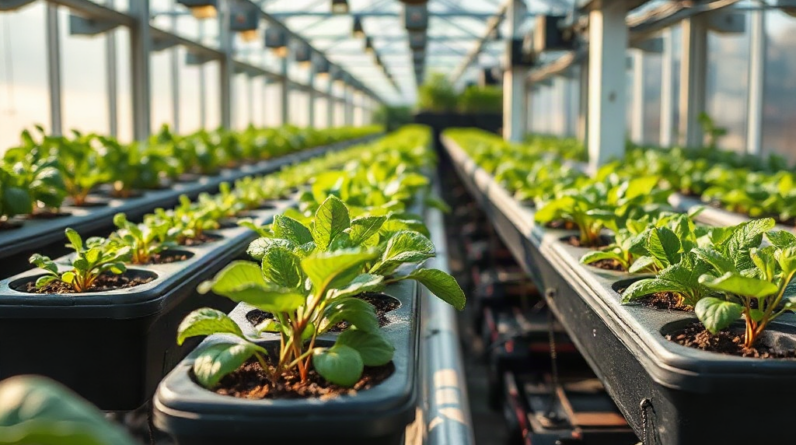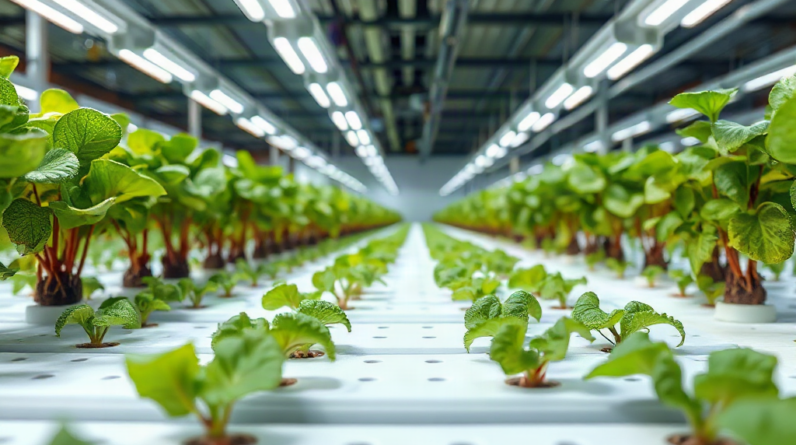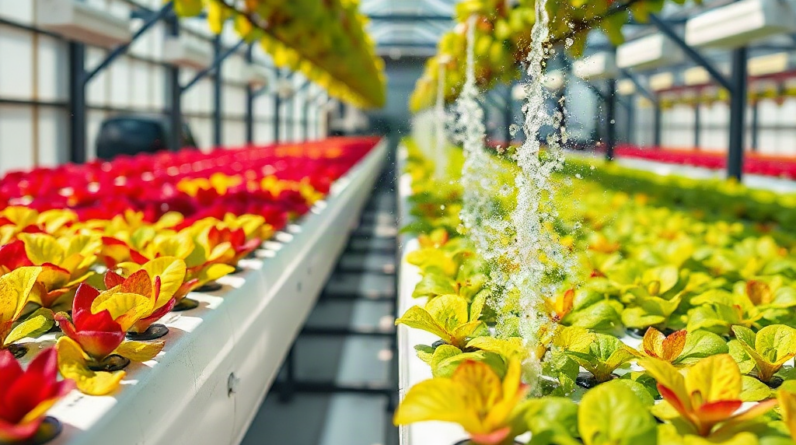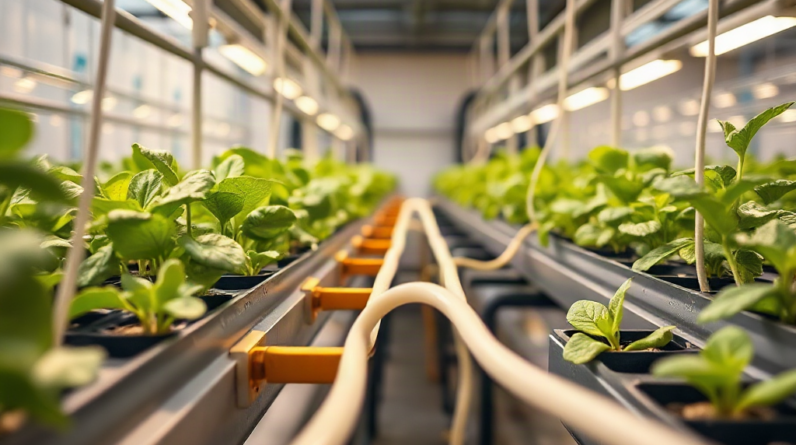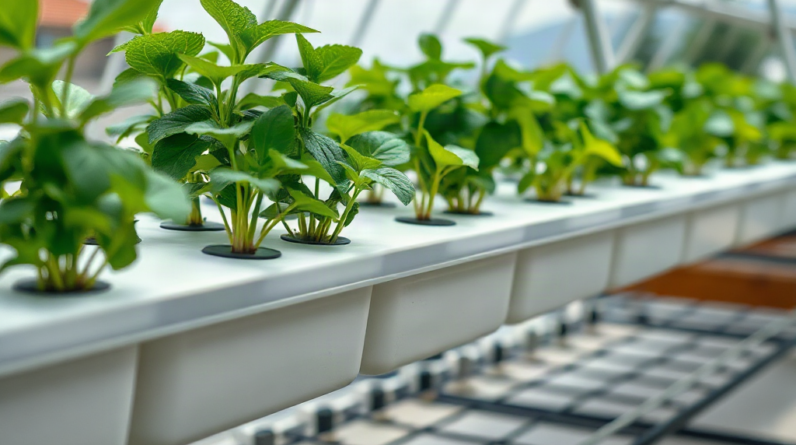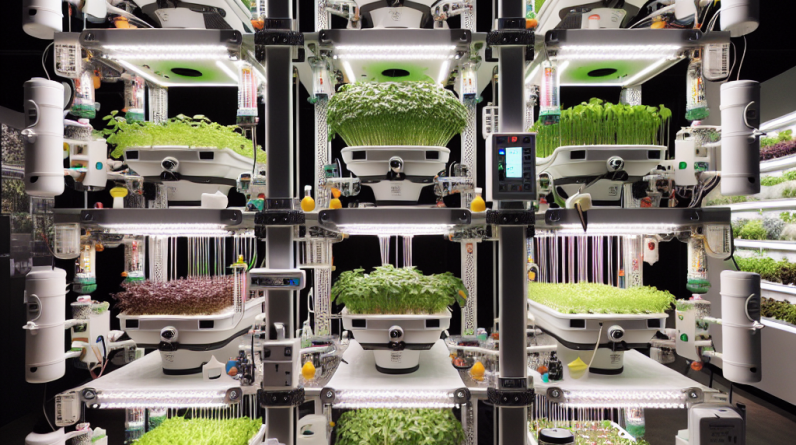
When deciding between indoor and outdoor hydroponics, consider the level of environmental control you need. Indoor systems provide precise temperature and light management, making them ideal for sensitive crops that require consistent conditions. In contrast, outdoor setups benefit from natural sunlight and larger growing areas but are subject to weather variability, which can affect plant health. If space is limited, indoor hydroponics may require compact designs, whereas outdoor systems can utilize vertical farming techniques to maximize yield. Assessing your specific gardening goals and available resources will help you make the best choice for your hydroponic garden.
Environmental Control
Environmental control is a critical factor when choosing between indoor and outdoor hydroponics. Indoor systems allow for precise manipulation of temperature, humidity, and light, which can lead to accelerated plant growth and higher yields. This control is especially beneficial for growing sensitive crops that require stable conditions. In contrast, outdoor hydroponics depends on natural weather patterns, which can introduce variability and potential risks such as extreme temperatures or heavy rainfall that may impact plant health.
For example, an indoor hydroponic garden can utilize LED grow lights to provide consistent light cycles, essential for flowering plants. Conversely, outdoor gardens may thrive during summer but struggle during winter months, necessitating additional planning and resources for seasonal changes. Understanding these environmental impacts helps in making informed decisions about the preferred hydroponic method.
Space and Resources
Space availability and resource management are vital considerations when deciding on indoor versus outdoor hydroponics. Indoor setups often require a designated area with suitable lighting, water access, and nutrient delivery systems, which can be limited in urban environments. On the other hand, outdoor systems can take advantage of larger plots of land, allowing for more extensive crops and the possibility of integrating with traditional gardening practices.
For instance, a backyard hydroponic garden can utilize vertical farming techniques to maximize space efficiency, while indoor systems might need to rely on compact designs. Additionally, resources such as water supply and power availability can dictate the feasibility of each approach. Assessing your available space and resources will guide you towards the most practical hydroponic solution.
Crop Selection
The type of crops you wish to grow significantly influences the choice between indoor and outdoor hydroponics. Certain crops, such as leafy greens and herbs, thrive in controlled indoor environments, where conditions can be optimized for rapid growth. Meanwhile, fruiting plants like tomatoes and cucumbers may benefit from outdoor sunlight and space to grow.
Moreover, some crops are more resilient to outdoor conditions and can withstand temperature fluctuations, while others may require the stability of an indoor setup. For example, strawberries can be successfully grown outdoors in a hydroponic system but may face challenges with pests and diseases. Understanding the needs of your selected crops is essential for successful hydroponic gardening.
Cost Considerations
Cost is a crucial factor when evaluating indoor versus outdoor hydroponics. Indoor systems often incur higher initial costs due to the need for equipment like grow lights, fans, and climate control systems. Ongoing electricity costs can also add up, especially in larger setups. Conversely, outdoor hydroponics may have lower startup costs, but factors like land preparation, pest control, and seasonal crop management can introduce additional expenses.
For example, while an indoor system might require significant investment in technology, an outdoor setup may need ongoing labor for maintenance and potential losses due to weather-related issues. Analyzing your budget and long-term financial goals will help determine the most economically viable option.
Conclusion
Choosing between indoor and outdoor hydroponics involves a careful evaluation of environmental control, space, crop selection, and costs. Each method offers unique benefits and challenges that should align with your gardening goals. By taking the time to assess these factors, you can select the hydroponic system that best suits your needs and maximizes your gardening success.
Frequently Asked Questions
What are the main advantages of indoor hydroponics?
Indoor hydroponics offers controlled environments, protection from pests, and year-round growing capabilities, leading to consistent yields.
Can I grow all types of plants indoors?
While many plants can be grown indoors, some crops may require more space or specific light conditions that are better suited for outdoor environments.
What are the cost differences between indoor and outdoor hydroponics?
Indoor systems typically have higher initial setup costs due to equipment needs, while outdoor systems may incur ongoing labor and maintenance costs.
How does weather affect outdoor hydroponics?
Weather can significantly impact outdoor hydroponics, as extreme temperatures, storms, or pests can jeopardize plant health and yield.
What factors should I consider when selecting crops for hydroponics?
Consider the growth requirements, space needed, and resilience to pests or environmental changes when selecting crops for hydroponics.
Further Reading
Authoritative Sources
- USDA National Institute of Food and Agriculture
nifa.usda.govResearch and extension resources related to agriculture, plants, soil, and food systems
- Extension Foundation Gardening Resources
extension.orgUniversity extension education resources for practical gardening and home agriculture topics
- USDA Natural Resources Conservation Service
nrcs.usda.govSoil, water, conservation, and land management resources for practical growing decisions