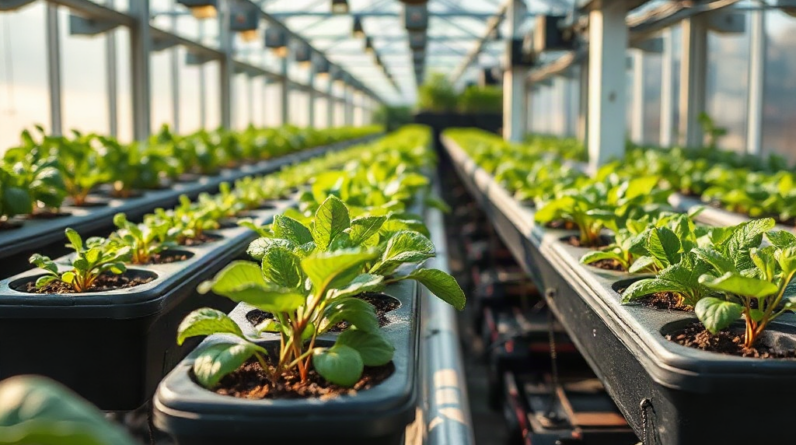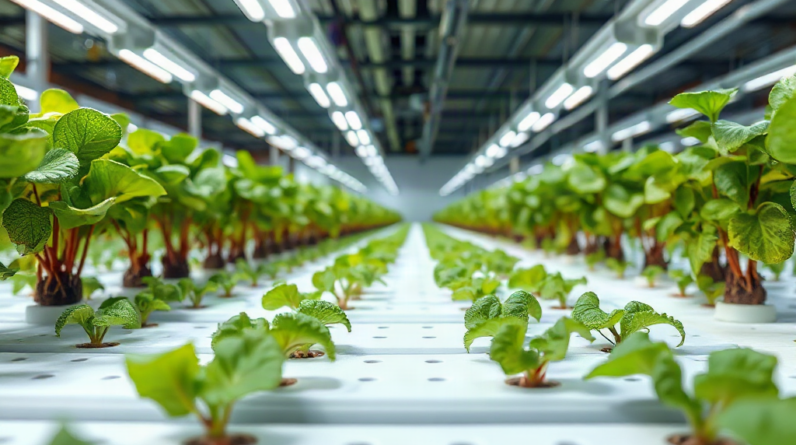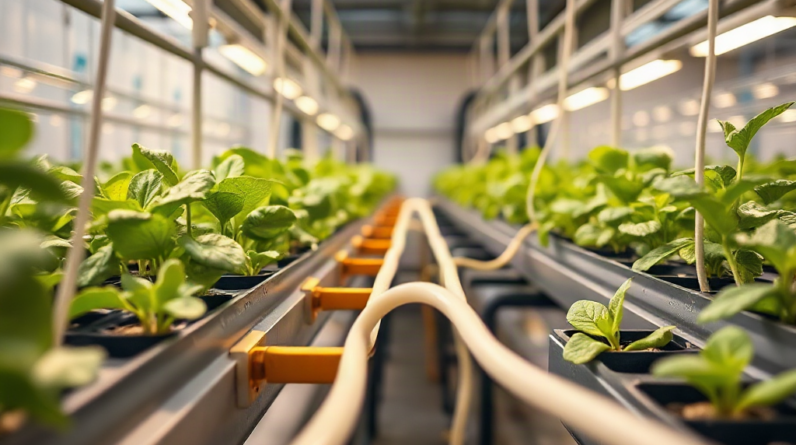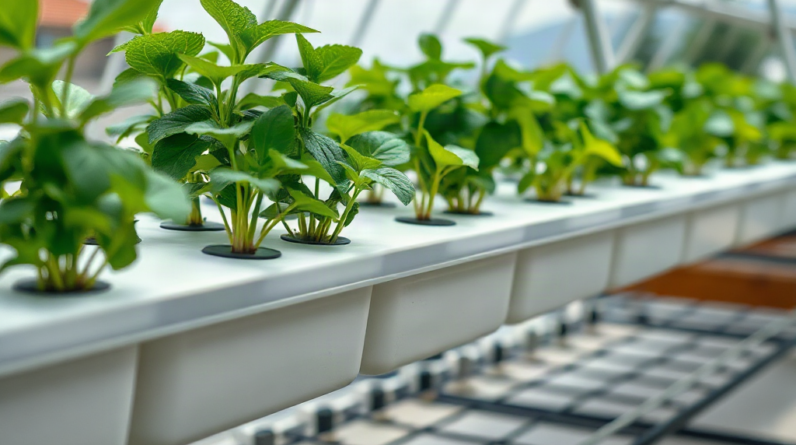
Hydroponic climate control is vital for achieving optimal growth conditions in a hydroponic system. Regulating temperature, humidity, and light levels directly influences plant health and yield. Proper climate management helps prevent problems such as mold, nutrient deficiencies, and stunted growth, ensuring that your crops thrive in a controlled environment.
One of the most common mistakes in hydroponic gardening is neglecting the environmental factors that affect crop growth. Temperature fluctuations can stress plants, while incorrect humidity levels can lead to mold and mildew. Employing tools like thermostats, humidifiers, and grow lights allows growers to maintain an environment that meets the specific needs of different plants, which is crucial for maximizing yield.
Understanding Temperature Control
Maintaining the right temperature is critical in hydroponic systems, as it affects plant metabolism and nutrient uptake. Ideal temperatures generally range from 65°F to 75°F (18°C to 24°C) for most vegetables. If temperatures rise above this range, plants can become stressed, leading to poor growth or even death.
To effectively manage temperature, consider using a combination of heating and cooling systems. For instance, in colder climates, heating mats can help raise temperatures, while fans or air conditioning units can cool the environment during hot weather. Monitoring temperatures regularly with a reliable thermometer is essential for making adjustments as needed.
Managing Humidity Levels
Humidity plays a significant role in plant transpiration and nutrient absorption. In hydroponic systems, maintaining humidity levels between 40% and 70% is ideal. Too much humidity can lead to fungal diseases, while too little can cause plants to wilt.
Using hygrometers to monitor humidity levels is crucial. If humidity is too high, dehumidifiers can be employed, while humidifiers can help increase moisture in drier conditions. Proper airflow, facilitated by fans, also aids in maintaining the right humidity balance.
Optimizing Light Conditions
Light is another essential factor in hydroponic climate control, as it directly influences photosynthesis. Different plants have varying light requirements, with most needing around 12 to 16 hours of light per day. Using grow lights tailored to plant needs can enhance growth significantly.
When setting up lighting, consider using timers to automate light cycles, ensuring that plants receive consistent exposure. Positioning lights at the correct distance from plants is also crucial to prevent burn or insufficient light penetration.
Common Mistakes in Climate Control
Many hydroponic gardeners make the mistake of overlooking the importance of climate control. Ignoring temperature and humidity fluctuations can lead to a host of problems, including poor plant health and lower yields. Another common error is failing to regularly monitor environmental conditions, which can result in delayed responses to adverse changes.
To avoid these pitfalls, implement a routine monitoring schedule, and invest in quality equipment that can help maintain optimal conditions. Being proactive in climate management will enhance your hydroponic gardening success.
Further Reading
Authoritative Sources
- USDA National Institute of Food and Agriculture
nifa.usda.govResearch and extension resources related to agriculture, plants, soil, and food systems
- Extension Foundation Gardening Resources
extension.orgUniversity extension education resources for practical gardening and home agriculture topics
- USDA Natural Resources Conservation Service
nrcs.usda.govSoil, water, conservation, and land management resources for practical growing decisions
Frequently Asked Questions
What is the ideal temperature for hydroponic plants?
The ideal temperature for most hydroponic plants typically ranges from 65°F to 75°F (18°C to 24°C).
How can I control humidity in my hydroponic system?
You can control humidity by using humidifiers or dehumidifiers, along with fans to ensure proper airflow.
Why is light important in hydroponics?
Light is crucial for photosynthesis, directly affecting plant growth and yield in hydroponic systems.
What are the consequences of poor climate control?
Poor climate control can lead to stunted growth, lower yields, and increased susceptibility to diseases.
How often should I check environmental conditions?
It’s advisable to check environmental conditions daily to ensure optimal growth and quickly address any fluctuations.
Conclusion
Effective hydroponic climate control is critical for maximizing plant health and yield. By understanding the importance of temperature, humidity, and light management, growers can create an optimal environment for their crops. Regular monitoring and adjustment of these factors will help prevent common issues and ensure a successful hydroponic gardening experience.