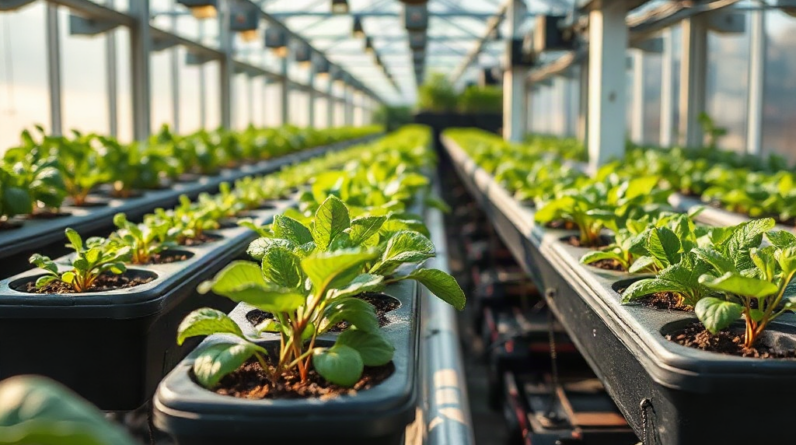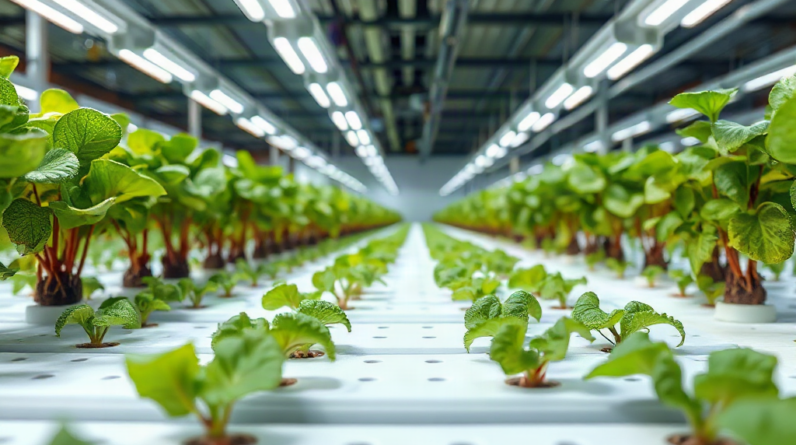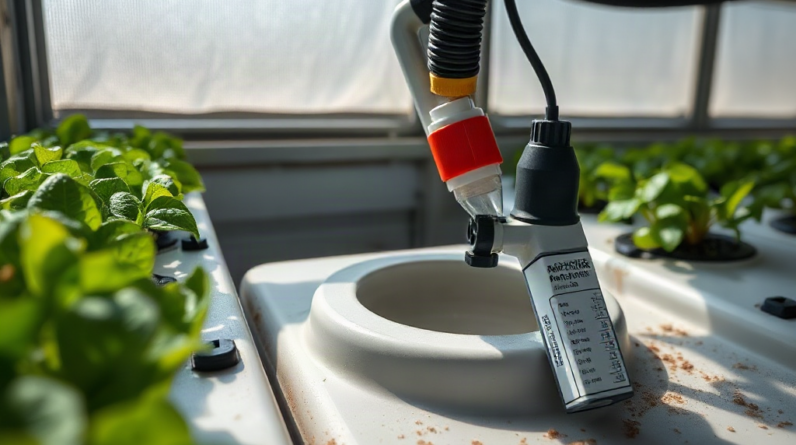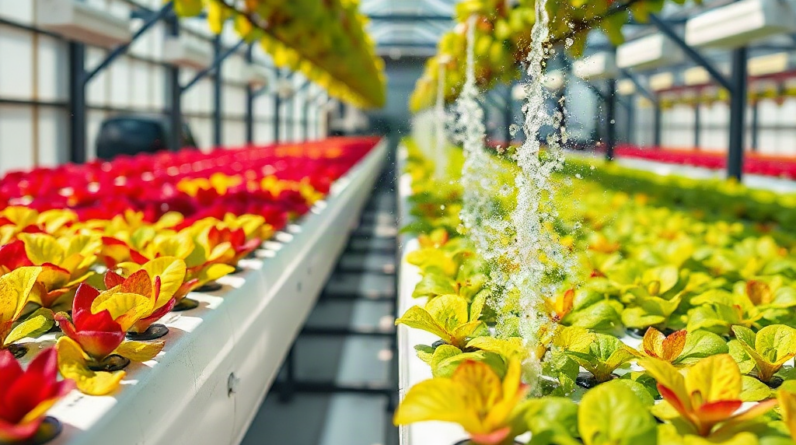
Hydroponic tomato plants commonly face issues such as nutrient deficiencies, root rot, and poor pollination. Nutrient deficiencies can manifest as yellowing leaves and stunted growth, often due to imbalanced nutrient solutions. To combat this, regularly test and adjust the nutrient mix, particularly increasing potassium during fruiting. Root rot, caused by overwatering or low oxygen levels, can be prevented by ensuring proper aeration in the system. Additionally, for poor pollination, consider hand pollination techniques to enhance fruit set, especially in indoor setups where natural pollinators are absent.
Nutrient Deficiencies
Nutrient deficiencies are a common issue in hydroponic tomato plants, primarily due to imbalanced nutrient solutions. Essential nutrients like nitrogen, phosphorus, and potassium are crucial for healthy plant growth. When these nutrients are lacking, you might observe symptoms such as yellowing leaves, stunted growth, and poor fruit development.
To address nutrient deficiencies, regularly test the solution’s pH and electrical conductivity (EC) levels. Adjust the nutrient mix according to the specific needs of tomato plants, typically requiring a higher concentration of potassium during the fruiting stage. Additionally, consider using a comprehensive nutrient solution designed specifically for hydroponic tomatoes to ensure all essential elements are provided.
Root Rot
Root rot is a serious concern that can devastate hydroponic tomato plants. It is often caused by overwatering or inadequate oxygen levels in the water, leading to fungal infections. Symptoms include wilting, browning roots, and a foul smell emanating from the root zone.
To prevent root rot, ensure your system has proper aeration. Consider using air stones or pumps to increase oxygen levels in the nutrient solution. Additionally, avoid overwatering; allow the roots to breathe by maintaining a suitable water level in the reservoir. If root rot occurs, remove affected plants immediately and treat the remaining roots with a hydrogen peroxide solution to kill harmful pathogens.
Poor Pollination
Hydroponic tomatoes may struggle with pollination, especially in indoor environments where natural pollinators are absent. This can lead to poor fruit set and diminished yields. Symptoms of poor pollination include flower drop and the formation of small, deformed fruits.
To enhance pollination, consider hand pollination techniques. Gently shake the plants or use a small brush to transfer pollen from flower to flower. Additionally, maintaining optimal humidity and temperature levels supports pollination success. Aim for a humidity level between 40-70% and temperatures around 70-80°F during the day.
Pest Infestations
Pest infestations can also pose a significant threat to hydroponic tomato plants. Common pests include aphids, spider mites, and whiteflies, which can weaken plants and spread diseases. Look for signs such as discolored leaves, webbing, or visible insects on the plants.
To combat pests, implement an integrated pest management approach. Regularly inspect plants for signs of infestation and introduce beneficial insects like ladybugs or predatory mites. Additionally, consider using organic insecticides that are safe for hydroponic systems, and maintain a clean growing environment to reduce the risk of pests.
Frequently Asked Questions
What are the signs of nutrient deficiencies in hydroponic tomatoes?
Signs include yellowing leaves, stunted growth, and poor fruit development, indicating a lack of essential nutrients.
How can I prevent root rot in my hydroponic system?
Prevent root rot by ensuring proper aeration, avoiding overwatering, and maintaining a suitable water level in the reservoir.
What can I do to improve pollination for hydroponic tomatoes?
Enhance pollination by using hand pollination techniques, such as shaking the plants or transferring pollen with a brush.
What pests are commonly found in hydroponic tomato systems?
Common pests include aphids, spider mites, and whiteflies, which can weaken plants and spread diseases.
How often should I check my hydroponic system for problems?
Regular checks are essential, ideally every few days, to monitor for nutrient levels, pests, and overall plant health.
Further Reading
Authoritative Sources
- Hydroponic Systems: Understanding Nutrient Management
hydroponics.comThis resource provides in-depth information on managing nutrients effectively in hydroponic systems
- Root Rot in Hydroponics: Prevention and Treatment
extension.orgA comprehensive guide on preventing and treating root rot in hydroponic plants
- Managing Pests in Hydroponics: Best Practices
pestworld.orgLearn about effective pest management strategies tailored for hydroponic gardening